
.jpg)







UK rents are rising faster than house prices, changing the balance between purchase price and rental income for property investors.
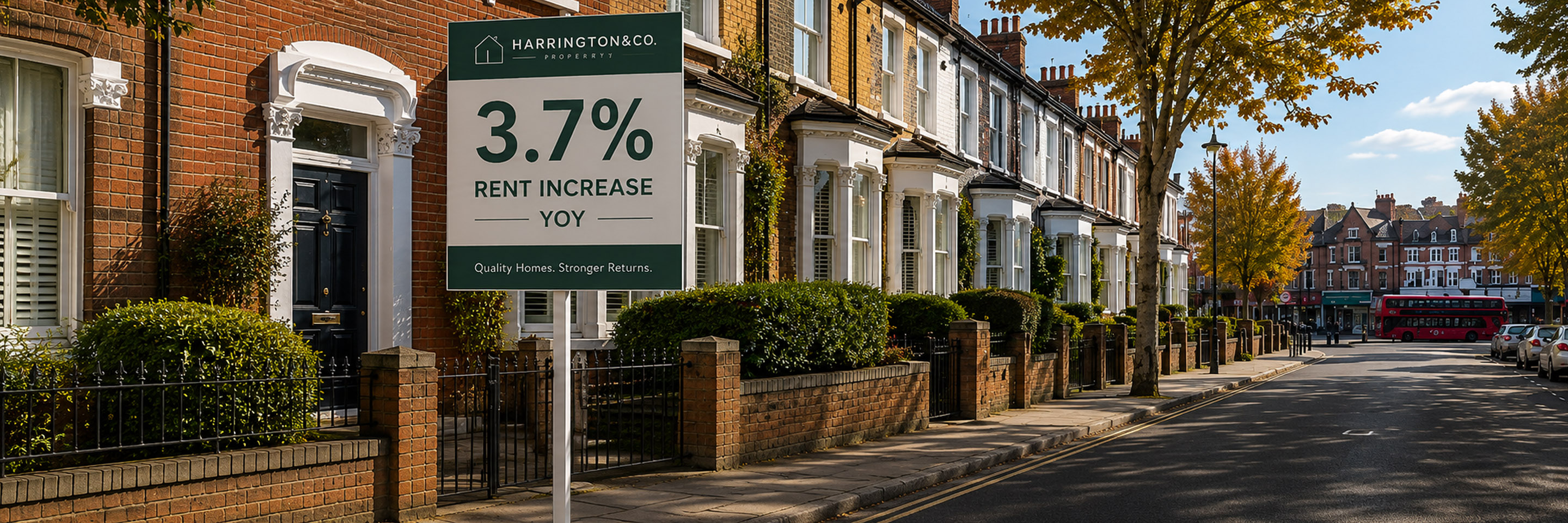
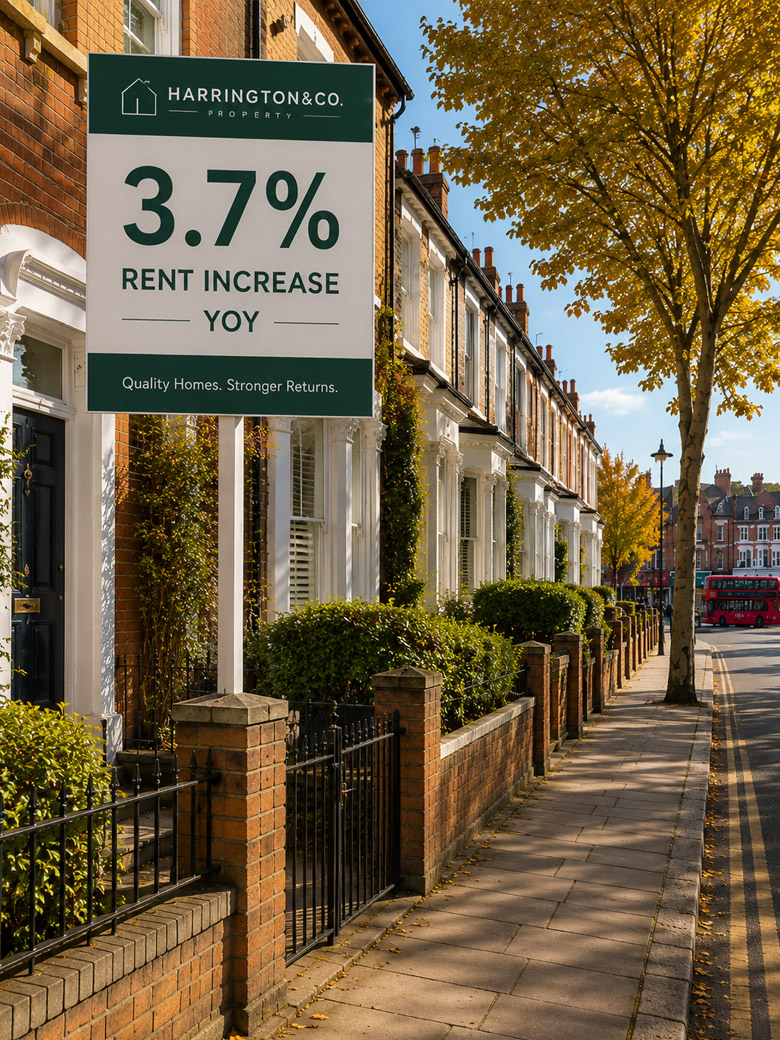
Average private rents increased by 3.7% in the year to July 2026, while the latest available house price data shows average UK property values increasing by 2.0% in the year to June 2026.
The latest Office for National Statistics private rent and house price data puts the average UK private rent at £1,393 per month, while the average UK property price stands at approximately £272,000.
For investors buying today, the combination is particularly interesting. In parts of the country, buyers have more negotiating power in the sales market at the same time as the rental income available from those properties continues to rise.
That does not make every buy to let investment more attractive. It does mean there are markets where the relationship between purchase price and rental income is moving in the investor's favour.
Executive Summary
Unity's analysis of the latest rental and house price data highlights five points for investors:
- Rents are rising faster than house prices nationally. UK private rents increased by 3.7% annually in July, compared with the latest available house price growth of 2.0%. If the gap persists, it should support higher rental yields over time.
- Buyers may benefit from a softer sales market. Weak house price growth in parts of the country can create more room to negotiate, while rents continue to rise.
- The largest gap does not necessarily mean the best investment. London has the widest difference between rent and house price growth in our comparison, but high acquisition prices mean starting yields remain relatively low.
- Starting yield matters just as much as the direction in which it is moving. Lower cost regional markets can still offer stronger income returns even where their rent to price gap is smaller.
- Property selection remains crucial. Purchase price, achievable rent, local demand, financing costs and the opportunity to add value can have a greater impact on returns than small differences between regional growth rates.
The key finding is not simply that rents are rising faster than house prices.
The opportunity for investors is to find markets where properties can still be acquired at attractive prices, current yields work and rental income has room to grow.
Rents are now growing almost twice as quickly as house prices
The latest ONS private rental figures show average UK private rents increasing by 3.7% in the year to July 2026, taking the average monthly rent to £1,393.
Rental growth has picked up from 3.3% in June.
The latest available house price figures cover June because the UK House Price Index is published with a delay as completed transactions are recorded.
The June 2026 UK House Price Index shows average UK property prices increasing by 2.0% in the year to June, down from 3.0% in May. The average UK property is valued at approximately £272,000.
Prices increased by just 0.1% between May and June, compared with 1.0% during the same period a year earlier.
Regional performance varies considerably. London property prices were 2.5% lower than a year earlier and prices in the South East increased by just 0.3%. The North West and North East recorded stronger annual growth of 4.7% and 4.3% respectively.
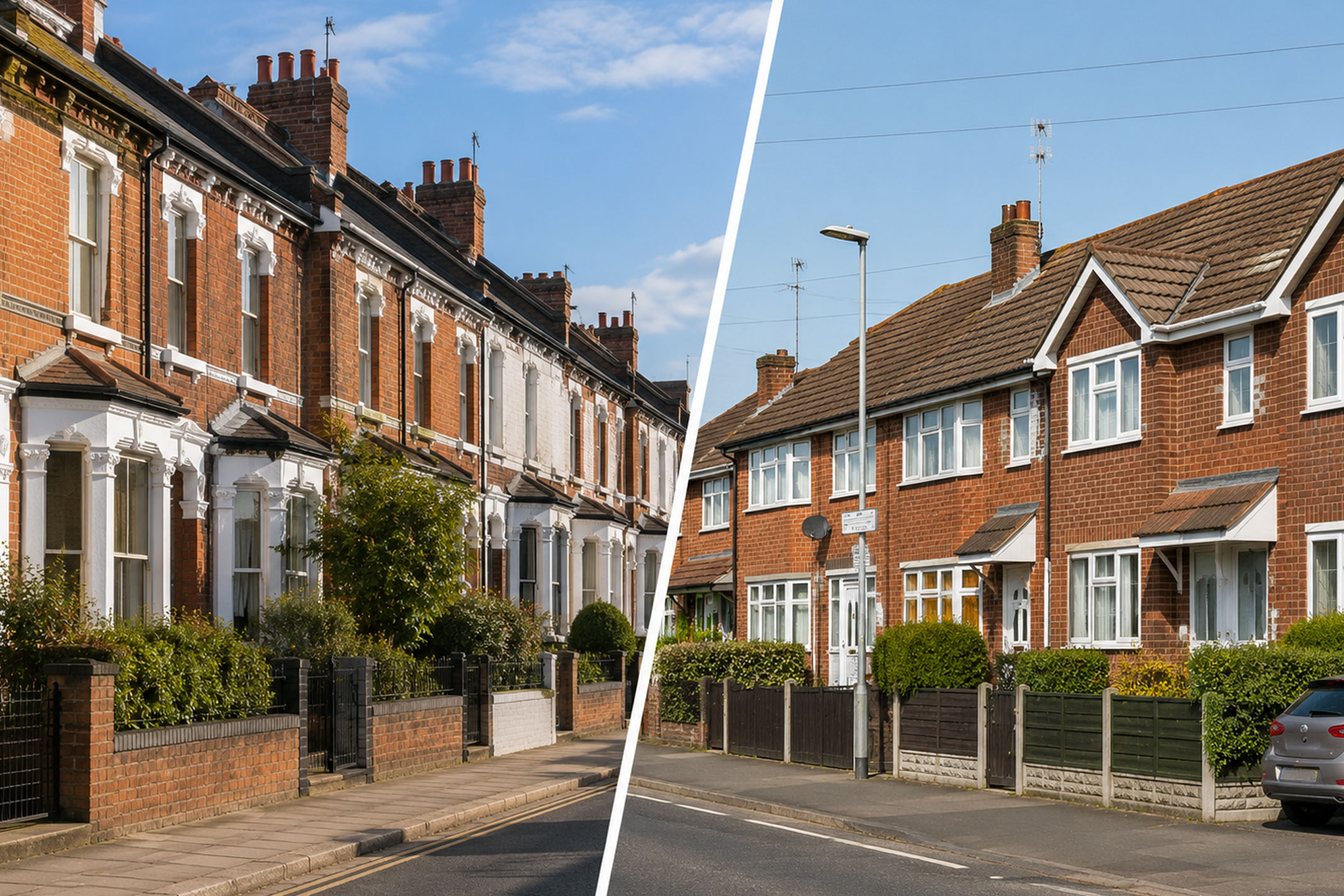
Against this backdrop, rents have continued to rise.
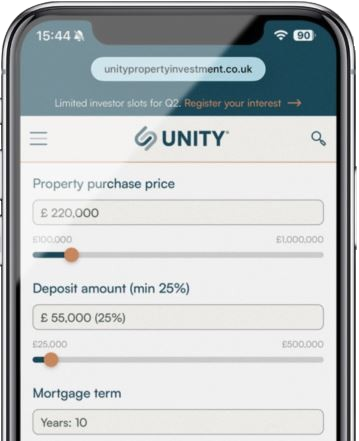
Buy to let investment and rental yield calculator

What does this mean for rental yields?
Gross rental yield measures annual rental income as a percentage of the value of a property.
The calculation is:
Annual rental income ÷ property value × 100
Consider a property worth £200,000 producing rent of £1,000 per month.
Annual rental income of £12,000 gives the property a gross rental yield of 6.0%.
If the rent increases by 3.7%, annual rental income becomes £12,444. If the property value increases by 2.0%, its value becomes £204,000.
The gross rental yield increases from 6.0% to approximately 6.10%.
That is a relatively small movement over one year. If rents continue to grow faster than property prices over several years, the effect becomes more meaningful.
A 1.7 percentage point difference between rent and house price growth should not be confused with a 1.7 percentage point increase in rental yield. It simply means that rental income is increasing more quickly than the value of the property.
For existing landlords, that can gradually improve the yield on an asset they already own.
For investors buying now, there is another consideration. If weaker house price growth creates better buying conditions while rents continue to increase, investors may be able to secure a more attractive entry price without sacrificing rental income.
Where are rents pulling furthest ahead of property prices?
To see how this varies around the country, Unity compared the latest annual rental growth figures with the latest annual house price growth figures across seven major English investment regions, alongside the UK benchmark.
The rental figures relate to July 2026. House price figures relate to June 2026, the latest UK House Price Index available at the time of publication.
The opportunity for investors is to find markets where properties can still be acquired at attractive prices, current yields work and rental income has room to grow.
The current market may favour investors who can buy selectively, prioritise income and create value rather than relying on the wider property market to deliver the return for them.
Source: Unity analysis of the latest ONS Price Index of Private Rents and UK House Price Index. Rental figures relate to July 2026 and house price figures to June 2026, the latest period available for each series. The Rent to Price Growth Gap is annual rental growth less annual house price growth.
The results show why looking at rental growth alone can be misleading.
The North West has rental growth of 5.7%, almost twice the South East's 2.9%. Yet the South East has a much larger Rent to Price Growth Gap because house prices there increased by only 0.3%, compared with 4.7% in the North West.
The reason behind the gap matters as much as its size.
London has the largest gap, but remains a relatively low yield market
London is the clearest example.
Rents increased by 3.0% in the year to July, while property prices fell by 2.5% in the year to June. That produces a Rent to Price Growth Gap of 5.5 percentage points, comfortably the largest in our comparison.
But London is not experiencing exceptional rental growth. The gap has been created primarily by falling property values.
The average London property still costs approximately £554,000, according to the latest HM Land Registry regional house price figures.
London can therefore see a significant improvement in the relationship between rents and property prices while continuing to offer lower starting yields than many regional markets.
For an investor, the starting yield matters just as much as the direction in which it is moving.
The South East and East of England present a different opportunity
The South East and East of England stand out for another reason.
Annual rental growth reached 2.9% in the South East and 3.7% in the East of England. House prices increased by only 0.3% and 1.1% respectively.
Both regions therefore have a Rent to Price Growth Gap of approximately 2.6 percentage points.
Rental growth itself is not exceptional. The interesting part is that rents continue to increase while property price growth remains weak.
For investors buying today, this is arguably more relevant than headline rental growth alone.
A subdued sales market can provide more room to negotiate with sellers. If rental demand remains resilient, investors may be able to secure a better purchase price without giving up the income case for the property.
This can be particularly relevant in commuter markets where higher mortgage costs have put pressure on purchase prices but rental demand remains supported by employment and transport links.
The opportunity is not simply to buy because rents are rising. It is to identify properties where current sales conditions create an attractive entry price and the rental income already supports the investment.

The North East and North West show why starting yield matters
The North East and North West provide a useful counterpoint.
Rents increased by 6.3% in the North East and 5.7% in the North West in the year to July, substantially faster than in London or southern England.
Property prices have also risen more quickly.
North East house prices increased by 4.3% annually and North West prices by 4.7%. Their Rent to Price Growth Gaps are therefore 2.0 and 1.0 percentage points respectively.
The North West comparison is particularly useful. Rental growth of 5.7% looks considerably stronger than the South East's 2.9%, but faster house price growth means less improvement in the relationship between rent and property value.
That does not make the South East the better investment market.
The average North East property costs approximately £166,000, compared with much higher purchase prices across southern England. Lower cost markets can therefore start with considerably stronger rental yields even where their Rent to Price Growth Gap is smaller.
This is why the Unity Rent to Price Growth Gap should be viewed as a measure of how a market is changing, rather than a ranking of where investors should buy.

Portfolio projection tool
Why are rents still rising?
The rental market is less competitive than it was at its post pandemic peak, but the shortage of available rental property has not disappeared.
The latest RICS UK Residential Market Survey recorded broadly flat tenant demand in the three months to July, with a net balance of minus 1%.
New landlord instructions recorded a much weaker minus 27%.
Despite softer tenant demand, a net balance of 28% of respondents expected rents to increase over the following three months.
This points to supply as an important reason rents continue to rise. Tenant competition has eased, but the number of properties available to rent remains limited.
Rightmove's Rental Price Tracker tells a similar story.
The number of available rental properties nationally fell below the previous year's level during the second quarter for the first time since 2022. Average advertised rents outside London reached a record £1,397 per month, 2.3% higher than a year earlier.
Competition has eased considerably. The average rental property receives around 10 enquiries, compared with 22 at the peak and around five before the pandemic.
The rental market is therefore more balanced than it was several years ago, but supply remains tight enough to support further rent increases in many areas.
Affordable markets may have more room for rental growth
Where rents go next will depend partly on affordability.
Zoopla's rental market research found some of the strongest rental growth in more affordable parts of the country.
Areas where average rents remain below £750 per month have recently recorded rental growth of around 5%, more than twice Zoopla's national measure of new let rental growth.
Carlisle recorded rental growth of 9.1%, Kilmarnock 9.0% and Halifax 6.5%.
There is a limit to how quickly rents can increase relative to local household incomes. Markets where rents already account for a high proportion of earnings may have less room for further increases.
More affordable locations can have greater scope for rental growth where employment remains resilient and suitable rental stock is limited.
For investors, the highest recent rental growth figure is not necessarily the most useful one. The better question is whether local incomes and tenant demand can support further increases.
The sales market is giving buyers more negotiating power
This is arguably the most relevant part of the current market for investors looking to buy.
The latest UK House Price Index shows annual UK property price growth slowing to 2.0%.
London property prices declined by 2.5%. Prices increased by just 0.3% in the South East and 1.1% in the East of England.
The latest RICS Residential Market Survey also shows buyers remain cautious. New buyer enquiries recorded a net balance of minus 28% in July, while agreed sales stood at minus 30%.
For an investor, the combination is potentially attractive.
Buying conditions have weakened while rental income continues to grow.
Where sellers are motivated, investors may have more scope to negotiate on purchase price. If the property is also under rented, requires refurbishment or is being poorly managed, there may be opportunities to improve the income and value after acquisition.
This reduces the need to rely entirely on general house price growth to produce a return.
Financing costs still matter
Improving rental yields do not automatically translate into stronger cash flow.
Gross rental yield only measures rent relative to property value. It does not account for mortgage interest or the costs of operating the property.
Investors also need to allow for maintenance, management, void periods, insurance, taxation, regulatory compliance, refurbishment and transaction costs.
A property producing a 7% gross rental yield can still generate modest cash flow if borrowing and operating costs are high.
Equally, two properties with the same gross yield can produce very different returns.
An investor who buys below market value and improves the rent through refurbishment may achieve a very different return on cash invested from someone purchasing an already improved property at full market value.
Gross rental yield should therefore be considered alongside net yield and return on cash invested.
What does this research mean for investors buying now?
The data does not suggest that investors should simply buy in whichever region has the largest gap between rent and house price growth.
It supports a more selective approach.
Look for buying opportunities created by a weaker sales market
Subdued house price growth can give investors greater negotiating power.
A property where the seller's expectations have adjusted to current conditions, but rental demand remains strong, can be more interesting than a property in a rapidly appreciating market where buyers are competing aggressively.
Start with the yield available today
An improving yield is of limited value if it starts from an unattractive level.
The current achievable rent should support the investment before future rental growth is factored into the decision.
Assess whether the rent has room to grow
Recent rental growth should be considered alongside local wages, competing rental stock and tenant demand.
Sustainable rental income matters more than achieving the highest possible rent in the short term.
Look at what can be improved
Regional data cannot identify an under rented property, a motivated seller or a house where refurbishment could materially improve both rent and value.
At property level, these factors can have a greater impact on investor returns than small differences between regional growth rates.
Account for the full cost of ownership
A high gross yield does not guarantee strong cash flow.
Financing, maintenance, management, taxation and compliance costs need to be included when comparing investments.
-v1.avif)
Get investor insights and early access to opportunities
Join our investor briefings for structured insights, market updates, and priority access to new deals.

No spam, just timely insights for investors We respect your privacy and never sell your data
The Unity view
The latest data favours a more selective approach to property investment.
House price growth is subdued across much of the country and buyers remain cautious. At the same time, rental supply is constrained and rents continue to rise.
For investors with capital to deploy, that creates an interesting window.
The strongest opportunities are unlikely to be found simply by choosing the region with the fastest rental growth or the largest Rent to Price Growth Gap. They are more likely to be individual properties where the purchase price, existing yield and potential for improvement work together.
Buying well matters more in this market.
An investor who negotiates an attractive purchase price while securing an asset with strong rental demand can benefit from a softer sales market without relying on falling rents or weak tenant demand to create that opportunity.
Add the potential to improve the property, increase an under market rent or create additional capital value, and the investment case becomes less dependent on general house price appreciation.
That is the practical implication of the latest data.
The current market may favour investors who can buy selectively, prioritise income and create value rather than relying on the wider property market to deliver the return for them.
The question is therefore less about where house prices will rise fastest.
A more useful question is:
Where can I buy the right property at the right price, achieve an attractive yield today and still have room to grow the rental income over time?
.png)
Unity Rent to Price Growth Gap
Market
Rent growth
House price growth
Rent to Price Gap
Case study
- Property Price:£275k
- Mkt Value at purchase:£290k
- Day one equity:£14,500
- Yield:7.2%
- ROCE:28.6%
.avif)


