
.jpg)









Investing in real estate has long been recognised as a powerful vehicle for wealth accumulation, yet the traditional path often demands significant personal involvement. For many aspiring and experienced landlords alike, the central question is whether it is possible to reap the rewards of the UK property market without effectively taking on a second job. This guide explores how you can invest in property while outsourcing the heavy lifting, examining the realities of hands-off, turnkey, and fully managed property investment.
Executive Summary
Direct property investment can require significant time, oversight and ongoing regulatory compliance. The concept of hands-off property investment addresses these operational demands. It allows an investor to remain the legal owner of a physical asset and retain its economic benefits, while delegating property sourcing, acquisition, refurbishment, letting and ongoing management to third-party professionals.
However, a critical distinction must be drawn between the delegation of operational workload and the outsourcing of investment risk. Direct property ownership can be engineered to be substantially more hands-off on a day-to-day basis, but it must never be confused with a completely passive, risk-free financial instrument.
Within this market, industry terminology is frequently conflated, leading to misaligned investor expectations. "Turnkey property" generally describes a property presented as ready for investment use, often with little or no immediate refurbishment required. Conversely, "fully managed property investment" describes the operational methodology applied after acquisition, detailing the delegation of tenant relations, rent collection, and regulatory upkeep. While a property can be both turnkey and fully managed, the terms are not synonymous. This comprehensive guide examines the distinct models of hands-off property investment in the UK, the underlying economics of outsourcing, and the essential due diligence required before investing.
Key Takeaways
The structure of delegated property investment relies on several core principles that investors must understand to accurately evaluate market opportunities.
What Is Hands-Off Property Investment?
Hands-off property investment is an operational strategy that enables an individual or company to invest in the real estate market without assuming the time-intensive responsibilities traditionally associated with direct landlordism. In this model, the investor remains the legal owner of the property. Consequently, they retain full exposure to the asset's capital appreciation, rental yield generation, and inherent market risks, while delegating the operational mechanics to specialist professionals.
Because the term "hands-off" is not statutorily regulated within the UK, it lacks a universally standardised definition. It is more accurately conceptualised as a spectrum of operational involvement. At one end of this spectrum is the traditional DIY investment, where the purchaser personally sources the asset, manages contractors during necessary refurbishments, markets the property, and handles all ongoing tenant communications and emergency maintenance. Moving along the spectrum, an investor might adopt a partially outsourced approach, perhaps handling the acquisition and refurbishment internally but appointing a local letting agent to source tenants and collect rent.
Further along the spectrum lies the turnkey acquisition, where the investor purchases a property that is already modernised, legally compliant, and potentially tenanted. At the furthest end of the spectrum is the fully integrated, end-to-end support model. In this scenario, the investor engages a dedicated property investment company to oversee the entire lifecycle. This includes strategic market research, asset sourcing, acquisition support, project-managed refurbishment, letting, and long-term asset management.

A hands-off property investment strategy in the UK is therefore a highly customisable approach. It appeals to professionals who wish to build a property portfolio but lack the time, proximity, or technical expertise to manage the physical assets directly. Investors must critically evaluate what any specific provider actually includes within their definition of "hands free property investment," ensuring that the scope of delegated services aligns with their overarching strategic objectives and risk tolerance.
Can Property Investment Really Be Passive?
When evaluating a managed property investment, investors must dissect the phrase "passive property investment." A necessary distinction exists between operational passivity and investment passivity.
Operational Passivity
Through the use of professional services, a direct real estate investment can achieve a high degree of operational passivity. In a properly structured managed model, the investor is largely removed from the day-to-day operation of the property. They do not personally scour property portals, procure and vet building contractors, or field daily tenant enquiries. They are shielded from conducting property viewings, chasing rent arrears, processing tenancy deposits, or coordinating emergency maintenance. By outsourcing these distinct functions to a capable management infrastructure, the day-to-day administrative and physial workload is significantly reduced.
Investment Passivity
Conversely, direct property ownership should not be regarded as completely passive from an investment perspective. Because the investor holds the legal title to the asset, they remain exposed to the financial, market and regulatory risks associated with owning the property. The underlying value of the asset will fluctuate based on local market conditions, housing supply constraints, and macroeconomic factors. The investment is perpetually exposed to rental demand volatility; local economic shifts or an oversupply of competing stock can suppress achievable market rents or extend void periods.
Furthermore, unless the asset is purchased outright with unencumbered cash, the investment is subject to financing costs and mortgage interest rate volatility, which directly impacts the net cash flow. While a management agent coordinates repairs, the ultimate financial liability for capital expenditure, such as a new roof, boiler replacement, or structural remediation remains entirely with the property owner.
Crucially, the investor remains responsible for the legal and regulatory standing of the asset. The UK legislative landscape is highly dynamic. For instance, the Renters' Rights Act 2025 introduces stringent new compliance mandates. While a managing agent administers compliance, the statutory liability and the financial penalties for failure ultimately rest with the property owner. Even with professional management, the owner remains exposed to changes in landlord regulation and compliance costs.
Consequently, while a professionally managed buy-to-let can operate smoothly in the background, it remains an active investment requiring periodic strategic oversight. Direct buy-to-let should not be viewed as a guaranteed stream of passive income, but rather as an active investment vehicle that can be structurally optimised to minimise the owner's time expenditure.
Direct property ownership should not be regarded as completely passive from an investment perspective.
Hands-off should describe how an investment is operated, not how much due diligence an investor performs before buying it.
What Is a Turnkey Property?
In the context of real estate investment, a turnkey property is generally presented as ready for immediate investment or rental use. The terminology originates from the straightforward premise that an investor need only "turn the key" in the door for the property to begin functioning as an income-generating asset.
However, because the term is used broadly across the development and investment industries, turnkey properties can present in several different configurations depending on the provider, the target market, or the specific business model. A turnkey property UK investment may encompass some or all of the following characteristics. First, the physical fabric of the building has generally been refurbished, updated, or repaired to a standard that is attractive to the local rental demographic. Second, the property should have the certificates, licences and other compliance requirements applicable to its intended use.

Furthermore, a turn key property is often ready to market immediately. There are usually no lingering construction delays or cosmetic works required before letting agents can photograph and list the asset. In many instances, particularly in the investor-to-investor market, turnkey properties are sold with a tenancy agreement already in place, meaning the purchaser inherits a performing asset. Finally, the property may be sold with an existing, transferable property management contract.
It is imperative to recognise that a turnkey property does not automatically guarantee that all of these features are present simultaneously. Investors must interrogate the specific parameters of any turnkey proposition to establish precisely what "investment readiness" means in the context of that specific transaction.
How Does Turnkey Property Investment Work?
The operational mechanics of turnkey property investment generally follow a structured lifecycle, designed to compress the timeline between capital deployment and income generation. A standard investment process typically flows through the following stages:
Investor Objectives -> Property and Market Selection -> Investment Appraisal -> Acquisition -> Refurbishment or Preparation -> Letting and Tenanting -> Ongoing Asset Management.
Within the turnkey space, it is vital to distinguish between two fundamentally different operational models that are frequently marketed under the same umbrella.
Buying a Property That Is Already Turnkey
In this scenario, the investor buys a property that is already prepared. The physical refurbishment is complete, regulatory compliance is certified, and tenants may already be in situ. The primary advantage of this route is speed, certainty, and the immediate deployment of capital into an income-producing asset. However, the price may incorporate the provider's refurbishment, holding costs and margin, so the investor should independently assess whether the asking price is supported by comparable evidence.

Creating a Turnkey Outcome After Acquisition
Alternatively, an investor buys a property requiring improvement and separately funds refurbishment through a provider. If the works increase rental or market value, the investor may benefit from that uplift, but the outcome depends on the acquisition price, refurbishment cost, execution quality, and the eventual market valuation. While both models ultimately result in a turn key investment property, they are not economically identical and carry different risk profiles.
What Is Turnkey Buy-to-Let?
Turnkey buy to let applies the broader turnkey concept specifically to the UK residential private rented sector. It involves the acquisition of a residential dwelling, such as a single-family home, a city-centre apartment, or a House in Multiple Occupation (HMO) that has been prepared specifically for the rental market.
When evaluating a turnkey buy-to-let opportunity, an investor should expect to investigate multiple layers of the proposition to ensure it meets thorough investment criteria. The investor must assess the property condition, verifying whether the asset has been refurbished to a durable standard suitable for tenants. They must assess the tenancy status; if the property is already tenanted, what are the exact terms of the tenancy, and is there a verifiable history of timely rent payments?
Furthermore, the investor must analyse the local rental market to confirm that the local demographic and employment base support the projected rental figures. The purchase price and valuation must be scrutinised to ensure the asking price is supported by independent comparable evidence. Finally, the ongoing economics must be modelled, calculating the projected net cash flows after accounting for mortgage costs, letting fees, realistic maintenance provisions, and void periods.
The designation of a property as "turnkey" relates strictly to its physical and legal readiness at the point of sale. It does not absolve the purchaser from conducting comprehensive financial and legal due diligence to verify the underlying quality of the real estate.
What Is Fully Managed Buy-to-Let?
If "turnkey" refers to the state of the physical property at the point of acquisition, fully managed buy to let refers to the operational framework governing the property thereafter. A fully managed property investment involves delegating the day-to-day landlord responsibilities to a professional managing agent or property management company.
The scope of a fully managed service is designed to insulate the investor from the routine operations of the tenancy. Initially, it encompasses rental marketing and tenant sourcing, which involves appraising the open market rent, professionally advertising the property, and conducting viewings. It then covers stringent referencing and administration, drafting legally compliant tenancy agreements, and ensuring mandatory right-to-rent checks are completed.
Once tenanted, the service handles rent collection and arrears management, issuing financial statements, and taking compliant action if arrears accrue. Crucially, the management team handles all maintenance coordination, acting as the point of contact for the tenant, deploying vetted contractors for repairs, and managing emergency call-outs.
In the modern UK market, a critical function of a fully managed service is regulatory compliance administration. The agent manages the timely renewal of safety certificates, protects tenant deposits, ensures compliance with selective local authority licensing, and navigates complex legislative shifts such as the Renters' Rights Act 2025. Finally, the service includes periodic property inspections, strategic rent reviews, and the management of the reletting process.
To understand the detailed mechanics of how these ongoing operations are structured, investors can review comprehensive overviews of commercial property management services.
Turnkey vs Fully Managed Property: What's the Difference?
The central conceptual distinction within the sphere of hands-off property investment lies between the terms "turnkey" and "fully managed." While frequently used interchangeably in consumer marketing literature, they address different phases of the asset's investment lifecycle. Turnkey primarily describes the property's investment readiness on day one. Fully managed primarily describes how the property is operated from day two onwards.
Crucially, these two distinct models can be combined. An investor can acquire a turnkey property and immediately place it under a fully managed contract, achieving a highly hands-off experience across both the initial acquisition and the long-term operational phases. Conversely, an investor could execute a complex, hands-on refurbishment project themselves, and only subsequently appoint a managing agent. This creates an asset that is fully managed, but was never a turnkey acquisition.
What Does a Hands-Off Property Investment Service Actually Do?
For investors seeking to minimise their time commitment across the entire lifespan of the investment, an integrated property investment service acts as a single point of coordination. Rather than the investor individually vetting and managing estate agents, solicitors, building contractors, and letting agents, a consolidated service provider manages the workflow.
A comprehensive service typically navigates the following trajectory: First, strategic research is conducted to identify geographic locations. Second, the provider leverages local market intelligence to source suitable assets. Third, an investment appraisal is produced, modelling projected yields, capital expenditure, and net cash flow. Fourth, the provider supports the legal acquisition process. Fifth, the firm's project managers oversee any necessary refurbishments. Finally, the asset is integrated into the firm's letting and ongoing management infrastructure.
For a specific breakdown of how these distinct professional functions are coordinated, investors should consult detailed guides on outsourced property investment services.

Portfolio projection tool

Different Ways to Build a Hands-Off Property Investment
There is no singular blueprint for establishing a hands-off portfolio. The optimal structure depends entirely on which specific operational tasks the investor wishes to delegate. There are at least four primary methodologies for constructing a hands-off property investment.
1. Buy the Property Yourself and Use a Managing Agent: In this model, the investor takes an active approach to the front-end of the investment. They conduct the market research, source the property, negotiate the acquisition, and oversee any required refurbishment. Once the property is prepared, they hand the keys to a local letting agent who assumes responsibility for ongoing operations.
2. Buy a Turnkey Investment Property: Here, the investor purchases a property that has already been prepared for the rental market. Upon completion, the investor can either self-manage the property or appoint an agent. This route bypasses the time and coordination associated with property refurbishment.
3. Assemble Separate Specialists: An investor can appoint discrete specialists for each specific phase. They might hire a dedicated buying agent to source the asset, a project manager to oversee the refurbishment, and a separate letting agent to manage the tenancy. While this delegates the heavy lifting, the investor remains responsible for managing the various professionals. For deeper insight into outsourced search, investors should review the role of buying agents in the UK.
4. Use an Integrated / End-to-End Investment Company: A single provider handles multiple stages of the lifecycle, from initial asset sourcing through to refurbishment and long-term property management.
Investors interested in understanding the practical mechanics of a fully integrated approach can review explanations of how it works, as well as specific methodologies regarding how we source properties.
What Are the Potential Advantages of Hands-Off Property Investment?
The shift toward outsourced property models within the UK is driven by operational benefits, rather than guarantees of outsized returns. Potential advantages may include:
- less direct operational work;
- ability to invest outside the investor's immediate area;
- access to local professional expertise;
- professional coordination of refurbishment;
- reduced direct tenant interaction;
- continuity where one provider remains involved after completion.
By delegating sourcing, project management, and tenant relations, investors can build property portfolios without compromising their primary careers or personal time. It can make investing outside an investor's home area more practical, allowing capital to be deployed into regions that may offer different yield profiles than the investor's immediate locality. Furthermore, engaging established professionals can assist with regulatory compliance and help coordinate refurbishment to an agreed specification and standard.
It is vital, however, to state explicitly what hands-off investment does not provide. It does not automatically generate better absolute financial returns, it cannot guarantee permanent tenant occupancy, it does not eliminate all investment risk, and it does not ensure capital appreciation.
What Are the Risks of Turnkey and Hands-Off Property Investment?
Credible investment analysis demands a clear assessment of risk. The delegation of operational duties introduces specific vulnerabilities that must be actively managed.
A primary risk involves paying a significant convenience premium. If a turnkey property's purchase price significantly exceeds the independent open-market valuation of comparable local properties, the investor risks entering negative equity. Furthermore, provider fees can erode margins. The cumulative costs associated with sourcing fees, project management percentages, and ongoing management commissions will dilute the net cash flow.
Investors also face the risk of over-reliance on projected, rather than actual, figures. If projections rely on best-case-scenario rental estimates or fail to adequately account for standard void periods and maintenance costs, the actual returns will fall short of expectations. Additionally, a property may appear pristine upon inspection, but superficial cosmetic refurbishments can mask underlying issues requiring future remediation.
Management quality is another vulnerability. A poorly performing management agent can cause financial damage through slow tenant placement, failure to collect arrears, or neglecting routine maintenance. Investors must also be wary of conflicts of interest if a provider's primary objective is to achieve the highest possible sale price rather than securing the best long-term value for the investor.
Ultimately, regardless of how effectively a property is managed, the asset remains exposed to fundamental market risks, including rising financing costs, regional economic downturns, falling property values, and illiquidity. The guiding principle of this sector must be firmly understood: Hands-off should describe how an investment is operated—not how much due diligence an investor performs before buying it.
How to Analyse a Turnkey Investment Property
Because the underlying asset must stand on its own investment merits, financial and market analysis is non-negotiable. An attractive "turnkey" label cannot salvage a property with weak underlying economic fundamentals.
When appraising an opportunity, investors must evaluate the valuation and comparables. Does the requested purchase price align with recent sold prices for similar properties in the immediate vicinity? The rental economics must be tested; is the advertised market rent achievable, and what is the resulting gross rental yield?
The critical metric is net cash flow. After deducting mortgage interest, management fees, ground rent, service charges, letting fees, and landlord insurance, does the property generate a positive monthly net cash flow? The investment must also be subjected to stress testing. Can the cash flow sustain extended void periods, unexpected maintenance, or a sudden increase in financing costs?
Furthermore, the asset quality and compliance must be verified. Does the property meet required safety standards, and what are its EPC credentials? Finally, investors must consider exit liquidity. If the investor needs to sell the asset, is the property appealing to the broader owner-occupier market, or is it a highly niche product?
To assist in quantifying these variables, investors can utilise a dedicated buy-to-let calculator. Understanding the difference between gross metrics and actual returns is essential; comprehensive breakdowns on calculating how to work out rental yield and determining buy-to-let profit & cash flow are invaluable tools. When projecting how an individual asset contributes to broader wealth accumulation over time, our portfolio projection tool can provide clarity.
Turnkey vs Fully Managed Property Comparison
Feature
Turnkey Property
Fully Managed Property
.png)
How Much Does Hands-Off Property Investment Cost?
The capital expenditure required to establish and operate a hands-off portfolio varies significantly based on the level of service, the complexity of the asset, and the specific provider. Investors must budget for several distinct cost centres.
Initial sourcing or acquisition fees are common. Independent property finders or investment companies typically charge a fee for identifying, negotiating, and securing the asset. If the property requires upgrading, project managers usually charge a fee to oversee contractors and ensure timely completion. Standard transaction costs including legal conveyancing fees, independent survey costs, mortgage arrangement fees, and stamp duty land tax, remain the responsibility of the purchaser.
During the operational phase, letting and management fees apply. Fully managed services typically charge a tenant-find fee plus an ongoing monthly management fee. Finally, allowances must be made for ongoing operational expenditure, including annual compliance certificates, landlord insurance, and a sinking fund for maintenance and repairs.

The critical economic principle here is paramount: The relevant question is not simply whether a hands-off service charges fees, but what the investment produces after acquisition, finance, management, maintenance, and other costs have been accounted for. For an exploration of operational expenditure, review the comprehensive guide to the costs of being a landlord.
Who Might Hands-Off Property Investment Suit?
The decision to outsource property operations is generally dictated by an investor's personal circumstances, skillset, and geographic location. A hands-off model frequently appeals to time-poor professionals whose primary income derives from demanding careers and who cannot allocate hours to managing tenants or overseeing repairs.
It is also suitable for investors who wish to target properties outside their immediate local area. A hands-off structure allows them to execute this strategy without the logistical challenges of managing properties from afar. Similarly, overseas investors, expatriates, or international buyers seeking exposure to UK real estate may place particular value on reliable on-the-ground management.
The model is also utilised by portfolio landlords who have exhausted their personal operational capacity and need to outsource management to continue acquiring assets. Finally, it suits investors who prefer to avoid direct, personal interactions with tenants.
-v1.avif)
Get investor insights and early access to opportunities
Join our investor briefings for structured insights, market updates, and priority access to new deals.

No spam, just timely insights for investors We respect your privacy and never sell your data
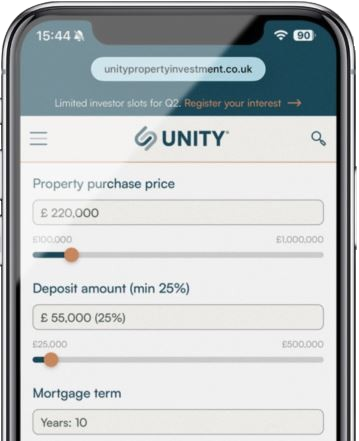
Buy to let investment and rental yield calculator
Who Might Prefer a More Hands-On Approach?
For editorial balance, it must be acknowledged that the hands-off model is not universally optimal. A hands-on approach remains highly effective for specific demographics. This model generally appeals to investors who possess deep local knowledge, investing in their immediate neighbourhood where they understand street-by-street valuations and rental demand.
It also suits individuals with significant time capacity, who view property investment as a primary occupation, allowing them the necessary hours to conduct viewings, inspections, and maintenance coordination. Investors with backgrounds in construction, or who have established networks of reliable tradespeople, are often better positioned to execute refurbishments directly. Ultimately, the hands-on approach appeals to investors who prefer maintaining direct operational control over tenant selection, property finish, and everyday expenditure.
Hands-Off Property Investment vs Property Funds
When investors search for passive property investment, they must decide between holding direct physical assets and investing in collective financial instruments.
In a managed direct buy-to-let model, the investor purchases and holds the title deed to a specific physical property. While the day-to-day operations are outsourced to a management company, the investor benefits directly from the rental income, specific capital appreciation, and the ability to leverage the asset through residential mortgage debt. The asset is fundamentally illiquid, but offers control over when to refinance or sell.
Conversely, property funds and Real Estate Investment Trusts (REITs) operate on an entirely different structure. The investor purchases shares or units in a fund that owns a diversified portfolio of real estate. The investor has zero involvement with the physical assets. Listed REITs can generally be bought and sold much more readily than an individual property, while direct property typically takes considerably longer to transact. The two avenues create materially different risk profiles, liquidity constraints, and tax implications.
Is Turnkey Property Investment Worth It?
Determining the value of a turnkey property investment requires looking past the immediate convenience of the model to analyse the underlying financial reality. Turnkey is an operating and acquisition model, not a guarantee of investment quality.
If an investor purchases a turnkey property at an inflated price, driven by aggressive sales tactics and unrealistic rental projections, the operational convenience will be outweighed by poor net cash flow and sluggish capital growth. The label "turnkey" cannot fix bad fundamental economics.
Conversely, paying reasonable professional fees for a well-selected property may be worthwhile where the value of the outsourced service justifies the additional cost. If the underlying property generates strong tenant demand, easily covers its financing and management costs, and delivers a positive monthly net yield, the investment is fundamentally sound. The viability of the investment is evaluated by asset quality, accurate valuation, achievable rent, financing costs, management efficacy, and the investor's objectives.
What Should You Look for in a Hands-Off Property Investment?
Before committing capital to a hands-off or turnkey provider, investors must subject both the physical asset and the corporate service provider to scrutiny. Key focus areas include ensuring transparent valuations; investors should look for independent valuations or extensive Land Registry comparables to ensure the purchase price reflects true open-market value.
Realistic rent assumptions are vital. Investors should verify projected yields against live data from local letting agents to ensure income figures are not overly optimistic. Clear fee structures are equally important; there must be transparency regarding sourcing fees, project management margins, and the exact scope of ongoing management charges.
If buying a property that requires renovation, investors should review detailed refurbishment specifications outlining the exact scope of works. There must also be clarity of roles: understand exactly who is legally responsible for each phase. Finally, analyse the exit strategy assumptions to determine how easily the property could be liquidated on the open market.
For detailed guidance on vetting the corporate providers of these services, investors should consult frameworks on assessing property investment companies.
Conclusion - Is Hands-Off Property Investment Right for You?
The evolution of the UK property sector, characterised by increasingly complex legislative frameworks, stringent compliance requirements, and the professionalisation of the private rented sector—has made the traditional DIY landlord model highly demanding. For many investors, the operational demands of property investment now outweigh the benefits unless strategically mitigated.
The core thesis of this analysis remains clear: hands-off property investment defines the level of investor involvement, not the underlying quality or security of the investment. While "turnkey" accurately describes a property's immediate physical readiness for the market, and "fully managed" dictates the outsourcing of ongoing daily operations, neither concept removes the inherent risks of real estate ownership. Direct property can become operationally passive through the deployment of expert third parties, but the ultimate financial, legal, and market risk remains firmly with the investor.
Investors should therefore consider three things. They must determine their desired level of personal operational involvement, identify which specific lifecycle phases require outsourcing, and rigorously verify that the underlying property remains economically viable after all professional fees are deducted. Whether coordinating a team of independent specialists or engaging a consolidated service provider, the foundational economics of the asset must remain paramount. A successful hands-off model should significantly reduce the investor's operational workload, without ever reducing the standard of their initial investment due diligence.
Unity's approach is designed for investors who want professional support across property research, sourcing, acquisition, refurbishment, and ongoing management, while retaining direct ownership of the underlying property. For a detailed understanding of how this integrated investment process operates in practice, explore how it works. You can also view our current investment opportunities or book a consultation to discuss your investment objectives.
Core Principles of Delegated Property Investment
Concept
Core Principle
Operational Responsibilities Across Different Investment Models
Model
Acquisition Phase
Refurbishment Phase
Letting Phase
Ongoing Management
Frequently Asked Questions
What is hands-off property investment?
What is a turnkey property?
What does turnkey property mean in the UK?
What is turnkey buy-to-let?
Is turnkey property a good investment?
What is fully managed buy-to-let?
Is buy-to-let passive income?
Can you invest in property without managing tenants yourself?
What is the difference between turnkey and fully managed property?
How much does fully managed property investment cost?
Case study
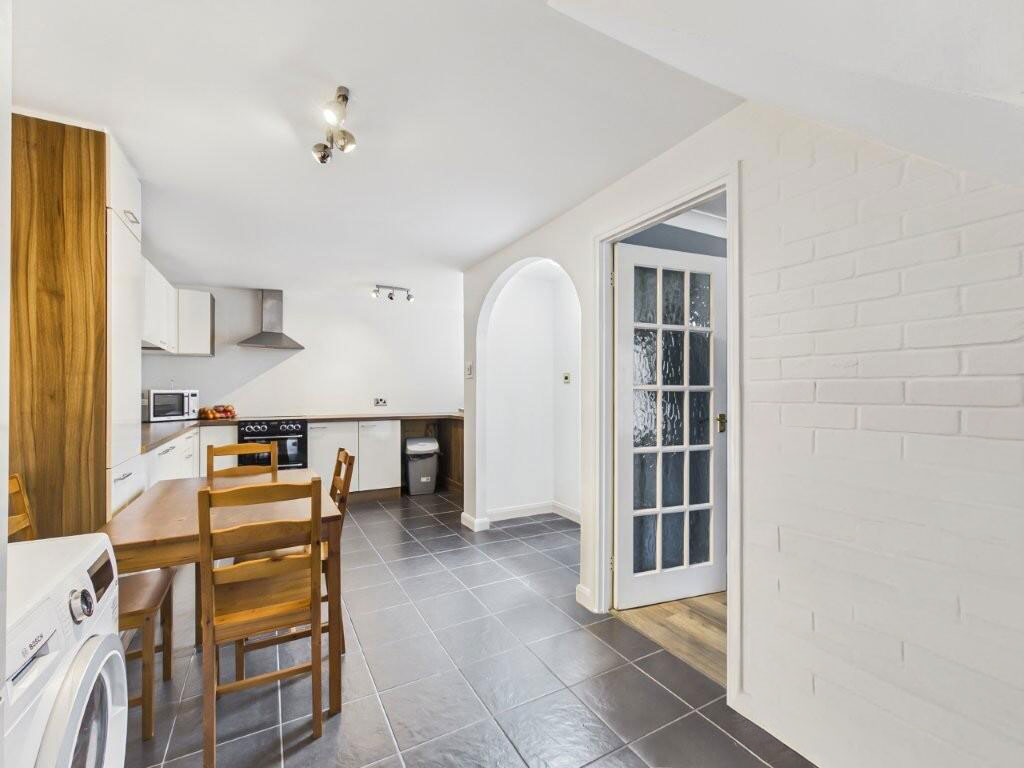
- Property Price:£275k
- Mkt Value at purchase:£290k
- Day one equity:£14,500
- Yield:7.2%
- ROCE:28.6%
.avif)