.jpg)








How to Start Property Investment: A Step-by-Step UK Guide
The UK property market has changed. The days of casual, amateur landlording are fading, replaced by a professional, business-led approach to building wealth. If you are looking to buy your first investment property, you might be wondering exactly how to start property investment safely.
This guide is your practical roadmap. We will walk you through the exact steps successful investors take to build a profitable, compliant, and resilient property portfolio.
Executive Summary
Investing in UK property has changed. You can no longer just buy a house down the road and hope the value goes up. To build a profitable portfolio today, you need to run your investments like a business. That means getting your finances structured correctly from day one, relying on data rather than gut feeling to pick your locations, and staying completely on top of new rules like the Renters' Rights Act 2026 and Making Tax Digital.
This guide is your complete roadmap to buying your first investment property. We break the whole process down into manageable, chronological steps. You will learn exactly how much cash you need to get started, how to secure the right mortgage, where to find the best rental yields, and exactly what to do to get your property legally ready for your first tenant.
What you'll learn
- How much money you need to get started
- Choosing the right investment strategy
- Arranging finance
- How to choose the right area for your first investment property
- How to analyse an investment property
- Completing the purchase
- Preparing for your first tenant
Step 1 - Define Your Investment Goals
Before you start looking at regional markets, scrolling through property listings, or speaking to mortgage brokers, you need to decide exactly what you want your capital to achieve.
In our experience working with property investors, the most successful buyers usually follow the same process: they define their goals, arrange finance, carry out thorough due diligence, and buy in areas with strong long-term demand. Broadly, property investment goals fall into four categories:
- Income (Cash Flow): Prioritising high monthly rental yields to supplement your earnings or replace a salary. This usually means investing in northern regional hubs or multi-let properties.
- Capital Growth: Buying in established or gentrifying areas where property values are expected to rise significantly over time, even if the monthly income is lower.
- Retirement Provision: Buying stable properties with the aim of clearing the mortgage debt over 20 to 25 years, leaving you with an unencumbered asset generating pure income for your retirement.
- Portfolio Building: An active strategy of buying properties that need refurbishment to force up their value, then refinancing them to pull your initial capital back out for the next purchase.
To explore these foundational concepts in more detail, read our comprehensive guide to property investment for beginners.
Step 2 - Work Out Your Budget
A common mistake new investors make is assuming they only need enough money for the mortgage deposit. Buying an investment property involves several upfront costs, and failing to budget for them can leave you short on cash right before completion.
Here is what you need to budget for:
- The Mortgage Deposit: Lenders generally require a minimum deposit of 25% of the property's purchase price. If you are buying a £200,000 property, you need £50,000 for the deposit. Learn more in our buy-to-let mortgage deposit requirements guide.
- Stamp Duty Land Tax (SDLT): Investors must pay a 5% Stamp Duty surcharge on top of standard residential rates for additional dwellings (effective from April 2025). This applies whether you buy in your own name or through a limited company. You can verify the latest thresholds on the official GOV.UK website.
- Legal Fees: Conveyancing for investment properties often requires extra structural checks, particularly if using a limited company. Budget between £1,200 and £2,000.
- Broker Fees: A specialist commercial mortgage broker is essential. Recent market data shows average broker fees sit around £643.
- Surveys: Never rely on the bank's valuation. An independent RICS Level 2 Survey usually costs between £400 and £1,000.
- Contingency Fund: Always keep a cash buffer (around 3% to 5% of the property value) for initial maintenance, compliance upgrades (like smoke alarms), and covering the mortgage during your first void period.
For a complete breakdown of ongoing and upfront tax liabilities, read our guide explaining buy-to-let tax.

Step 3 - Choose Your Investment Strategy
The property market offers several different avenues, each with its own risk profile and capital requirements.
- Traditional Buy-to-Let: Buying a standard house or apartment to rent to a single household.
- HMOs (Houses in Multiple Occupation): Renting a single property by the room to three or more unrelated people. This generates higher income but requires specialist finance, local authority licensing, and intense management.
- BRRR (Buy, Refurbish, Refinance, Rent): Buying a run-down property below market value, renovating it to increase its worth, and refinancing to extract your capital.
- Serviced Accommodation: Renting properties as short-term, hospitality-style lodging (like Airbnb). High potential revenue, but very seasonal and management-heavy.
Why most first-time investors start with a standard buy-to-let
While strategies like HMOs and Serviced Accommodation grab the headlines, the vast majority of professionals start with a standard single-let property.
- Simpler finance: Standard buy-to-let mortgages are cheaper and much easier to get.
- Easier to manage: Single families or professional couples tend to stay longer and require less day-to-day management.
- Lower regulatory burden: You don't have to navigate complex HMO licensing laws.
- Highly liquid: If you ever need to sell, a standard house appeals to both investors and normal homebuyers, making it much easier to resell.
A standard property is the perfect training ground to master the fundamentals before moving into more complex strategies. For an in-depth breakdown, read our buy-to-let investment guide.
The biggest mistake first-time investors make is looking for the perfect property before they've decided what they're trying to achieve. Once your objective is clear, the right strategy and location usually become much easier to identify.
A successful investment property isn't the one you would personally choose to live in. It's the one that delivers the strongest combination of rental demand, sustainable cash flow and long-term growth.
Step 4 - Arrange Your Finance
Unless you are buying with cash, your next step is arranging a commercial mortgage. Approaching a high-street bank directly often limits your options to a handful of restrictive products.
Instead, use an independent, whole-of-market mortgage broker. Because roughly 78% of new buy-to-let borrowing is now done through tax-efficient Limited Companies, you need a broker who understands corporate structures.
Lenders do not assess your mortgage application based on your personal salary like they do with a residential home. Instead, they look at the property's rental income. They apply a "stress test" to ensure the rent easily covers the mortgage payments, even if interest rates go up.
In late 2025, the average buy-to-let stress test required the rental income to cover the mortgage interest more than twice over (218%). If the property's yield is too low, the lender will simply reduce the amount they are willing to lend you.
Before viewing properties, ask your broker for an Agreement in Principle (AIP). Estate agents will want to see this to prove you are a serious, funded buyer.
For more details, read our guide on choosing mortgage brokers or learn exactly how the buy-to-let stress test works.
Build your professional team
Few successful investors do everything themselves. A good mortgage broker, solicitor, accountant and letting agent can save significant time, reduce risk and help avoid costly mistakes, particularly when buying your first investment property.
Step 5 - Decide Where to Invest
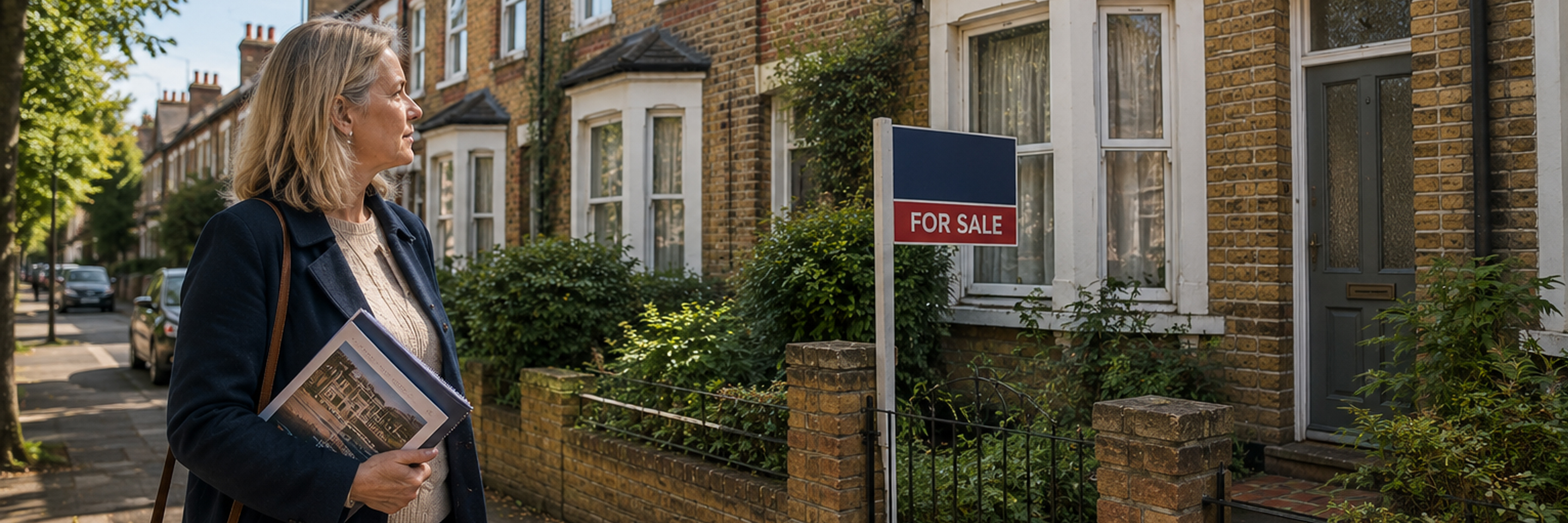
The most expensive mistake a new investor can make is buying a property just because it's close to where they live. Property investment is a numbers game; your money should go wherever the data shows the best returns.
While southern regions and London offer prestige, their high purchase prices mean rental yields are often incredibly low. Conversely, northern markets offer lower entry prices and much stronger monthly cash flow.

When narrowing down a location, look for micro-economic drivers: proximity to major hospitals, expanding universities, or corporate headquarters. Good transport links and heavy public regeneration spending are huge indicators of long-term tenant demand.
To explore the latest market data, read our analysis of UK property investment opportunities or our breakdown of the best buy-to-let areas.
Step 6 - Analyse Your First Property
Once you find a promising area, you need to crunch the numbers on specific properties. Remove all emotion from the process. You are not buying a home; you are buying a financial asset.
Your main focus should be on rental yield. Yield measures the annual return generated on the capital you've invested.
To find the Gross Yield, use this simple formula:
Gross Yield = (Annual Rental Income ÷ Property Purchase Price) × 100
However, when our team models potential acquisitions, our main focus is always on Net Yield. This calculation subtracts all your running costs like landlord insurance, management fees, ground rent, and maintenance from the rent before dividing it by the purchase price.
Always stress-test your numbers. Assume the property will sit empty for a few weeks a year (void periods) and factor in a realistic maintenance budget. Master these metrics by reading our rental yield calculation guide, and compare your findings against the average UK rental yields.
Step 7 - Carry Out Due Diligence
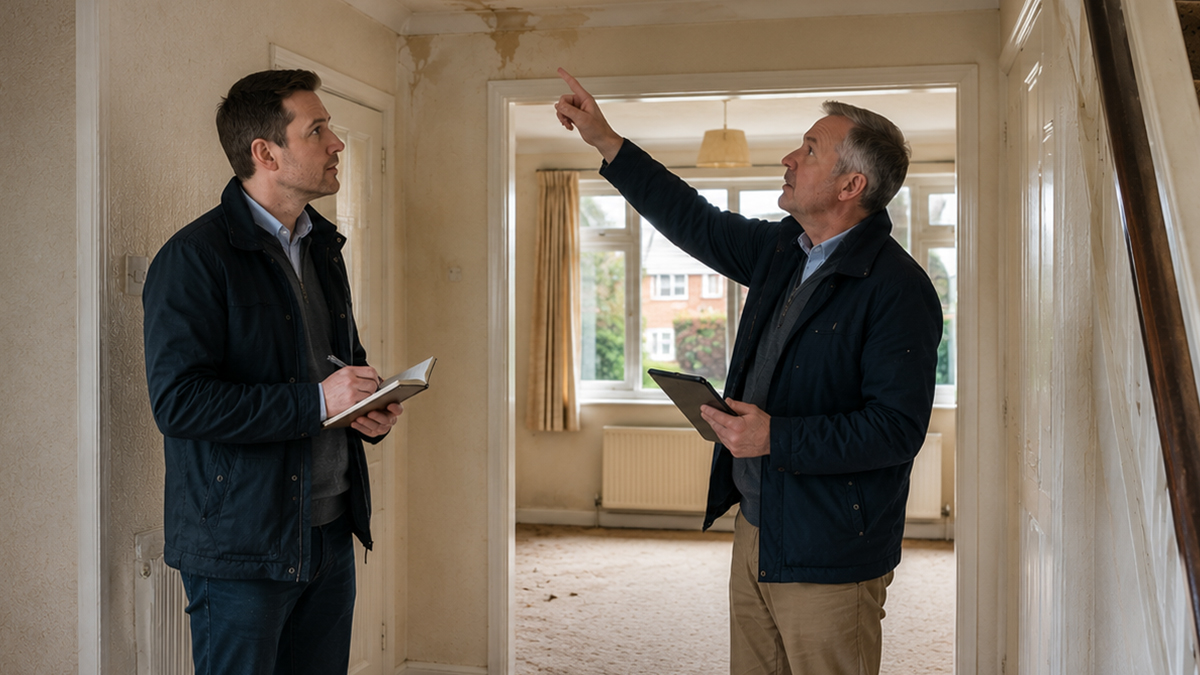
When your offer is accepted, the rigorous due diligence phase begins. This is your chance to uncover hidden structural problems, legal issues, or compliance headaches before you are legally bound to buy the property.
- Surveys: Do not rely on the mortgage valuation—that is just a quick check for the bank. You need an independent RICS Level 2 Survey (Homebuyer Report) or a comprehensive Level 3 Building Survey if the property is older or run-down.
- Legal Checks: Your solicitor will run local authority and environmental searches to check for flood risks or planning restrictions.
- Leasehold Scrutiny: If you are buying a flat, your solicitor must check the length of the lease, ground rent terms, and any upcoming major works billed by the management company.
- Energy Performance: The property must meet current Energy Performance Certificate (EPC) standards. The official GOV.UK EPC guidelines outline the minimum ratings required to legally let a property. If it doesn't meet the standard, you must budget for upgrades before a tenant can move in.
We highly recommend following our due diligence checklist step-by-step and reviewing the latest EPC Guide.

Step 8 - Buy the Property
The legal process of buying a UK property (conveyancing) takes time. Typically, a standard buy-to-let purchase takes between 12 and 16 weeks from the moment your offer is accepted.
Your solicitor will handle the transfer of title and raise enquiries with the seller. Once the mortgage offer is issued and the survey is clear, you move to the exchange of contracts. You will pay a non-refundable deposit (usually 10%), and the transaction becomes legally binding.
Finally, completion takes place. The lender releases the funds, your solicitor pays the Stamp Duty to HMRC, the property is registered in your name, and you get the keys.
Buying Checklist Before You Exchange
✓ Agreement in Principle secured
✓ Solicitor instructed
✓ Survey completed
✓ Mortgage offer received
✓ Buildings insurance arranged
✓ Funds available for deposit
For a detailed timeline, read our guide on how long a buy-to-let purchase takes.
Step 9 - Prepare for Your First Tenant
Once you have the keys, the property transitions into an active business. You cannot simply hand over the keys to a tenant; the UK private rented sector is heavily regulated, and failing to comply can result in massive fines.
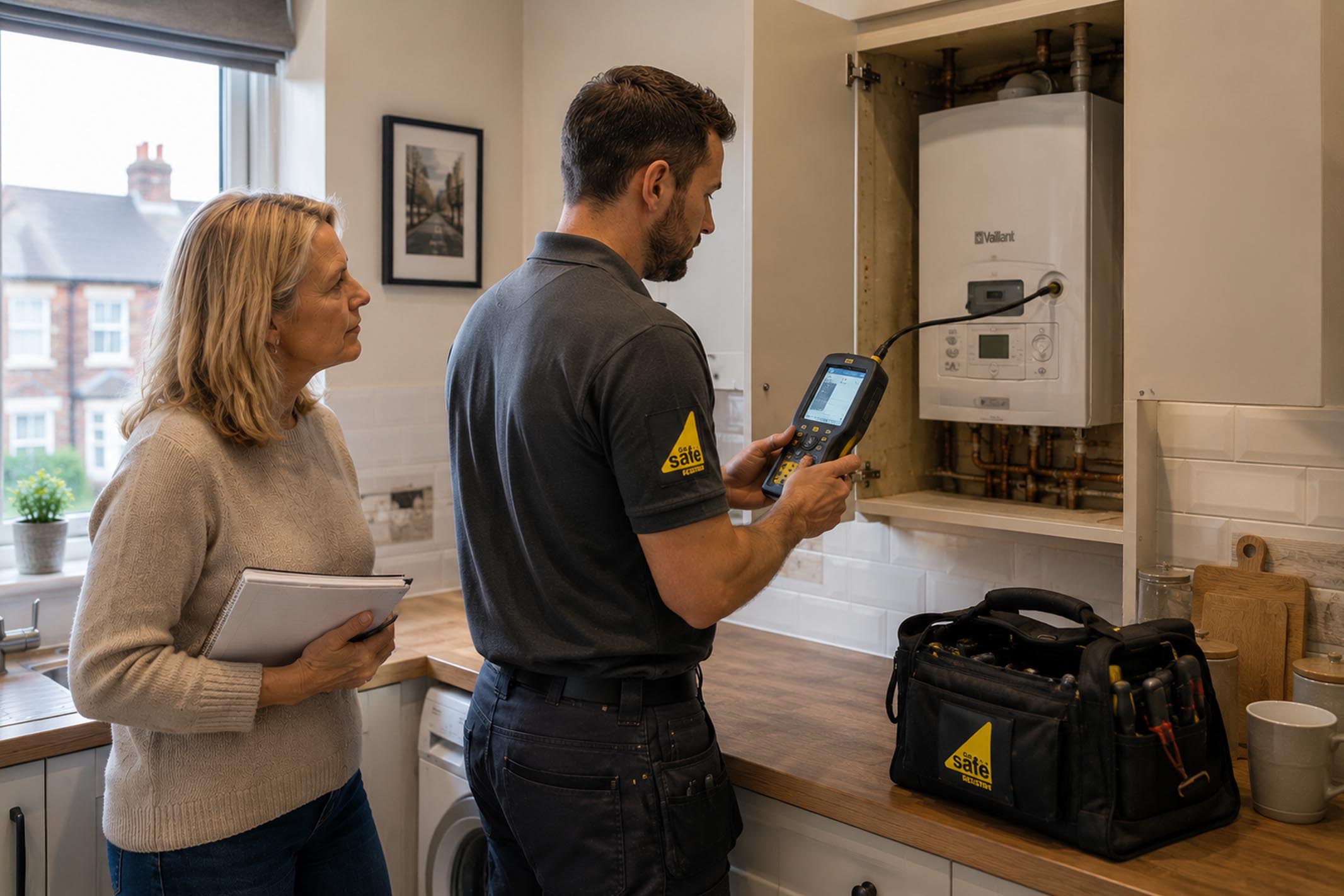
Compliance Under the Renters' Rights Act 2026
The Renters' Rights Act (phased in from May 2026) fundamentally changed the rules.
- No more Section 21 evictions: You can no longer evict a tenant simply because their fixed term ended. You must prove valid legal grounds (like unpaid rent) to get your property back.
- Upstream Risk Management: In our experience managing investment properties, strict upstream referencing is the single most effective way to protect your cash flow. Because evictions are now harder, your focus must shift to incredibly strict affordability checks before a tenant moves in.
- Strict Property Standards: The Decent Homes Standard now applies to private rentals. Local councils can issue immediate £7,000 fines for non-compliance, escalating up to £40,000 for repeated failures.
Making Tax Digital (MTD)
From April 2026, the Making Tax Digital rules apply to landlords earning a combined property and self-employed income of over £50,000. You will no longer submit one annual tax return; instead, you must use approved software to submit quarterly digital updates to HMRC. The threshold drops to £30,000 in 2027.
Getting Ready to Let
Before a tenant moves in, you must have a valid Gas Safety Certificate, a five-year Electrical Installation Condition Report (EICR), and a compliant EPC. You must also install tested smoke and carbon monoxide alarms. Finally, ensure you have specialist Landlord Insurance (standard home insurance is invalid for rentals) that includes rent guarantee protection.
Read our guide on becoming a landlord and decide whether you want to manage operations yourself by reading our self-management guide.

Portfolio projection tool

Entering the Market With Limited Capital
You will often see "no money down" property courses advertised online. In reality, sustainable, institutional grade investing requires actual capital. Attempting to build a portfolio with zero money usually involves high risk bridging loans or legally complex rent-to-rent setups.
However, if your budget is tight, there are realistic ways to get started:
- Target Regional Markets: A 25% deposit on a £500,000 London property is £125,000. But in areas like Hull or the North East, you can buy a high-yielding property for £60,000. That means your 25% deposit is only £15,000.
- Joint Ventures: Partner with someone who has savings but lacks the time to invest. You do the legwork (finding and managing the property), they provide the capital, and you split the profits.
- Equity Release: If you own your own home and its value has increased, you may be able to refinance your residential mortgage to release a lump sum of tax-free cash to use as your buy-to-let deposit.
Common Mistakes New Investors Make
The failure rate among novice investors is usually caused by a few highly avoidable mistakes.
- Emotional purchasing: Buying a property because you like the kitchen cabinets, rather than because the yield mathematics make sense.
- Ignoring the true costs: Forgetting to budget for void periods, service charges, maintenance, and annual compliance certificates.
- Poor tenant vetting: Rushing to fill an empty property and accepting a bad tenant. Under the new laws, a non-paying tenant is incredibly difficult to remove.
- Ignoring tax changes: Failing to structure the purchase correctly (like not using a Limited Company) and getting hit heavily by Section 24 tax rules.
Read our full breakdown of property investment mistakes.
Conclusion
Building a successful property portfolio is about process, patience, and numbers. It means removing your emotions, treating your properties like a commercial enterprise, and relying on data rather than gut feeling.
Whether you're buying your first buy-to-let or planning to build a long-term portfolio, taking the time to get the fundamentals right will put you in a much stronger position.
If you'd like help identifying suitable investment opportunities or discussing your investment goals, Unity Property's team is always happy to help.
Frequently Asked Questions
Is property still a good investment in 2026?
Yes. While the market has shifted towards professional, well-capitalised landlords, the core fundamentals remain incredibly strong. Rental demand continues to significantly outstrip supply, driving sustained long-term rental growth. Furthermore, capital appreciation forecasts remain highly positive, with analysts predicting property values across the UK will increase by an average of 22.2% over the coming years, led heavily by Northern regions. Read our full viability study: is property still a good investment
How do I invest in property in the UK?
If you want to know how to invest in property UK-wide, the process begins with defining a clear, measurable financial objective. You must decide whether your primary goal is generating immediate monthly cash flow, achieving long-term capital growth, or building a retirement fund. This initial decision dictates the type of property you need to buy and where in the country you should buy it.
How much do I need to invest in property?
How much you need to invest in property depends heavily on the geographic location and the asset's value. For a standard buy-to-let mortgage, lenders enforce a minimum deposit of 25% of the purchase price. Additionally, you must budget for the 5% Stamp Duty surcharge , solicitor fees (£1,200–£2,000), broker fees (averaging £643) , structural survey costs (£400–£1,500) , and a 3% to 5% operational contingency fund.
Is £20,000 enough to start investing in property?
Yes, but it requires you to target lower-value regional markets. In parts of the North East or Yorkshire, you can still find viable investment properties for around £60,000. A 25% mortgage deposit on a £60,000 property is £15,000. This leaves you with £5,000 to cover the 5% Stamp Duty surcharge (£3,000) and your legal and broker fees.
Should I buy through a limited company?
Currently, around 78% of all new buy-to-let mortgages are processed through Special Purpose Vehicle (SPV) Limited Companies. Holding property in a company allows you to offset 100% of your mortgage interest against your rental profits, bypassing the restrictive Section 24 tax rules that apply to individuals. However, corporate mortgage rates are slightly higher, so you should always consult a tax accountant before deciding.
How can I invest in property while working full time?
Absolutely. The vast majority of professional investors have full-time careers or run other businesses. The key to investing while working is leveraging professional teams. By using an independent mortgage broker, a good conveyancing solicitor, and a proactive property management agency, you can build a highly profitable portfolio that requires very little of your day-to-day time.
What type of property should I buy first?
For a first-time investor, a standard single-let property (a freehold house or an apartment) is usually the best option. Standard properties offer the widest choice of competitive mortgage products, require the lowest level of day-to-day management, and are highly liquid—meaning they are much easier to sell in the future compared to complex assets like HMOs or commercial units.
How long does it usually take to buy an investment property?
Once you have formally agreed on a purchase price with the seller, a standard buy-to-let purchase typically takes between 12 and 16 weeks to reach completion. This timeline can be extended if you are buying a leasehold apartment, purchasing through a newly formed Limited Company, or if the property is part of a complicated downward chain.
What should a first-time investor do first?
Before viewing properties, you must accurately calculate your budget and speak to a commercial mortgage broker. They will assess your affordability based on current Interest Coverage Ratios (ICRs) and get you an Agreement in Principle (AIP). Without an AIP, estate agents will rarely take your offers seriously.
How to start investing in property step-by-step?
The chronological order is: 1) Define your goal; 2) Calculate your total liquid capital; 3) Engage a mortgage broker to secure an AIP; 4) Conduct regional analysis to find high-yield locations; 5) View and analyse specific properties; 6) Negotiate the purchase; 7) Carry out legal and structural due diligence; 8) Exchange contracts and complete; 9) Ensure all compliance certifications are in place before finding a tenant.
How can expensive mistakes be avoided in property investment?
Remove emotion from the transaction and rely entirely on data. You can avoid catastrophic errors by commissioning independent RICS structural surveys rather than relying on basic lender valuations, budgeting strictly for realistic void periods and maintenance costs, and ensuring you thoroughly vet all tenants before they move in.
How is Stamp Duty calculated for investment properties in 2026?
Following changes effective 1 April 2025, you must pay a 5% surcharge on top of standard residential SDLT rates for any additional dwellings. This applies to anyone purchasing a second home, a buy-to-let asset, or buying through a limited company. The 5% surcharge applies to the entire purchase price starting from £0, meaning a £100,000 property incurs a minimum £5,000 tax bill upon completion.
Can investments be made without initial liquid capital?
While "no-money-down" concepts are heavily marketed across social media, they are highly speculative and risky. Sustainable property acquisition requires baseline liquidity. Realistic pathways for individuals with limited cash include releasing accrued equity from a primary residence, utilising joint ventures, or focusing exclusively on low-cost regional markets.
How does the Renters' Rights Act 2026 impact new investments?
Phased in from May 2026, the Renters' Rights Act drastically reshapes tenancy management. The most significant change is the total abolition of Section 21 "no-fault" evictions, meaning you must prove valid grounds to repossess an asset. It also introduces the Decent Homes Standard to the private sector and bans landlords from demanding more than one month's rent in advance.
What is Making Tax Digital and when does it apply to landlords?
Making Tax Digital (MTD) for Income Tax requires landlords to keep strict digital records. From 6 April 2026, landlords whose combined gross annual income, from both property and self-employment exceeds £50,000 must submit quarterly tax updates via HMRC-approved accounting software, replacing the traditional annual tax return. The threshold drops to £30,000 in April 2027.
Should a mortgage broker be used and what are the fees?
Using a specialist, whole-of-market mortgage broker is highly recommended. Brokers navigate complex Limited Company structures and ensure the property meets the lender's stringent stress-testing requirements. Recent data indicates that average broker fees for property purchases sit at £643, with most clients paying a transparent, fixed fee between £500 and £700.
Which UK regions offer the highest rental yields in 2026?
Based on Q2 2026 data, northern regional hubs consistently outperform the south for cash flow. The North East leads the UK with an average gross yield of 9.2%, followed closely by the North West at 8.8%, and Yorkshire & Humberside at 8.7%. In contrast, London and the South West typically yield lower proportional returns, averaging 6.3% and 6.6% respectively.
What type of property survey is required for a buy-to-let?
Relying on a mortgage lender’s basic valuation is a huge risk, as it is conducted solely to protect the bank's money. You should commission an independent RICS Level 2 Survey (Homebuyer Report), which averages between £400 and £1,000, for standard properties in reasonable condition. For older or heavily altered assets, a Level 3 Building Survey (costing from £630 to £1,800) is essential.
Regional average rental yields across the UK based on Q2 2026 market data.
UK Region
Average Rental Yield (Q2 2026)
Regional Market Context
.png)
-v1.avif)
Get investor insights and early access to opportunities
Join our investor briefings for structured insights, market updates, and priority access to new deals.

No spam, just timely insights for investors We respect your privacy and never sell your data
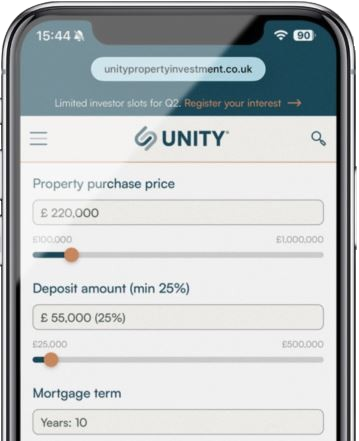
Buy to let investment and rental yield calculator
SDLT rates applicable to standard purchases and additional dwellings from April 2025.
Property Value Band
Standard Residential SDLT Rate
Buy-to-Let Rate (Inc. 5% Surcharge)
Case study
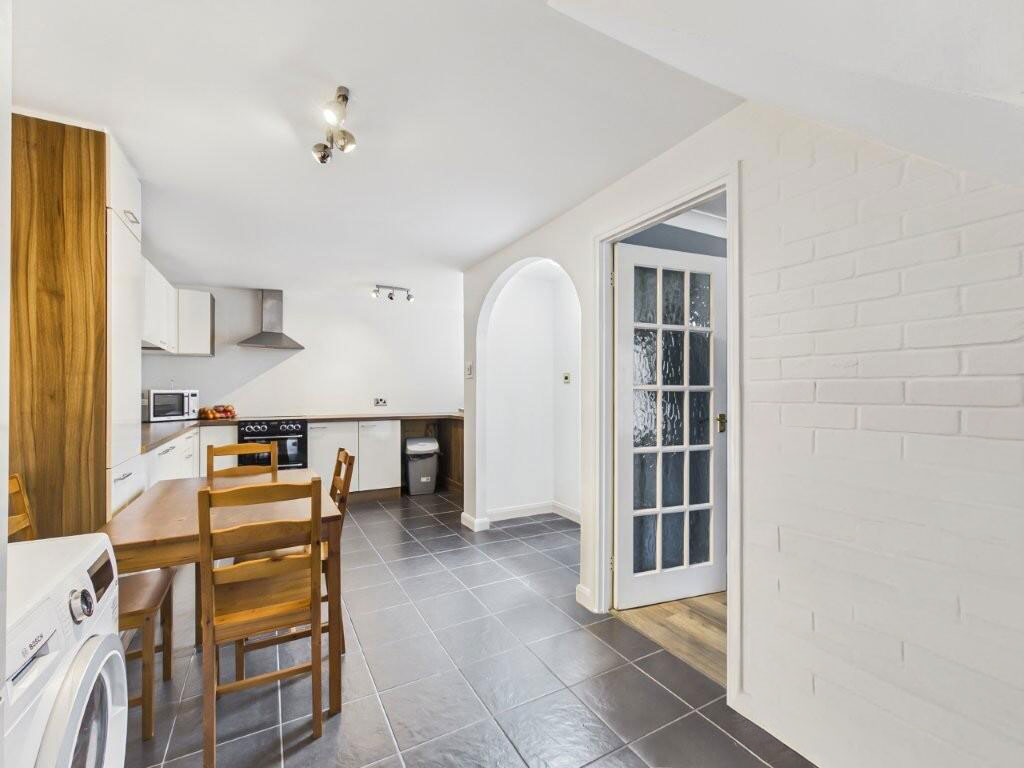
- Property Price:£275k
- Mkt Value at purchase:£290k
- Day one equity:£14,500
- Yield:7.2%
- ROCE:28.6%
.avif)