
.jpg)









Best Way to Invest £100k in the UK: Property vs Stocks, Cash & Alternatives
Reaching £100,000 to invest is a significant milestone. Whether you've built the money through years of saving, business profits, property sales or other investments, the decisions you make now can have a substantial impact on your long-term wealth. At this level, you are moving away from simply saving money and stepping into serious portfolio building.
If you are wondering what to do with 100k, there is no single "perfect" route out there. At Unity Property Investment, we regularly speak to investors deciding how best to deploy six-figure investment portfolios, and in our experience, the right strategy depends entirely on your personal goals, how much risk you are comfortable with, and how involved you want to be.
The UK market in 2026 presents unique opportunities and challenges. With the Bank of England base rate holding steady around 3.75% and inflation sitting near 2.6%, holding large amounts of cash is unlikely to preserve purchasing power over the long term. At the same time, recent tax changes like the equalisation of capital gains tax rates for shares and property mean that choosing the right tax wrappers and asset classes is more important than ever.
Please note: This guide is educational in nature and should not be considered personalised financial advice.
This guide explores the main 100k investment options available to UK investors, providing practical comparisons and honest risk assessments based on our experience in the market to help you decide where to put your money.
Executive Summary
Investing £100,000 requires a clear strategy. When exploring 100k investment ideas, your approach will differ wildly depending on whether you are a business owner looking to protect surplus profits, a professional building wealth, or someone approaching retirement. This guide cuts through the noise to objectively compare property, stocks, bonds, and alternative assets. We also explain why, despite new legislation, professionally managed UK property remains a highly attractive option for investors looking to use leverage and protect their capital against inflation.
Key Takeaways
- Diversification is key: Spreading your £100k across different asset classes reduces risk and smooths out your long-term returns.
- Cash loses value: Holding your entire pot in cash guarantees a loss of purchasing power over time due to inflation.
- Leverage accelerates wealth: UK property allows you to safely use mortgage debt to multiply your returns, a benefit rarely available in the stock market.
- Tax efficiency matters: Maximising your ISAs, SIPPs, and looking at tax-free assets like UK Gilts can save you thousands in Capital Gains Tax.
- Professional management saves time: Due to recent rental reforms, many investors we speak to are choosing completely hands-off property investments to remove the day-to-day hassle of being a landlord.
What Is The Best Way To Invest 100k?
The best way to invest £100k for most UK investors is through a diversified portfolio combining assets such as investment property, global index funds, bonds and cash reserves. The ideal allocation depends on your investment goals, desired income, risk tolerance and investment timeframe.
Why £100,000 Is an Important Investment Milestone
Accumulating £100,000 changes how you can approach the market. While working out the best way to invest £50k usually revolves around maxing out your £20,000 ISA allowance, for those investing 100k UK, hitting six figures opens up entirely new strategies.
At this level, you have enough capital to properly diversify. You can invest 100k across a blend of domestic property, global shares, and fixed-income bonds without transaction fees eating up your profits.
More importantly, £100,000 unlocks the power of safe financial leverage. In the UK property market, this sum comfortably covers a 25% deposit, stamp duty, and legal fees on a high-yielding £300,000 investment property. By using a mortgage for the remaining 75%, you receive 100% of the capital growth and rental income on a £300,000 asset. If you are unsure how these costs break down, you can read our guide on how much money do you need to invest in property?
Factors To Consider Before Investing
For anyone looking to invest 100k UK wide, one of the most common mistakes we see is jumping straight into the market without a clear strategy. Before allocating any capital, you need to assess a few key areas to build a robust personal investment plan.
- Investment Objectives: Are you looking to build a large retirement pot over the next 20 years, or do you need a steady secondary income today?
- Time Horizon: If you need the money in the next three years, it should stay in cash or low-risk bonds. If you are investing for a decade or more, history shows that equities and property almost always outperform cash.
- Risk Tolerance: Be honest about how you would react if your portfolio dropped by 15% in a single year. Your investments should let you sleep comfortably at night.
- Emergency Fund: Never invest your entire £100k. Always keep three to six months of living expenses in an instant-access savings account.
- Tax Environment: The 2026 tax landscape is strict. With the annual capital gains tax allowance reduced to just £3,000, structuring your investments properly is critical.
Where to Invest 100k UK: The Best Investment Options Compared
Let's look at the core asset classes available to UK investors, comparing how they generate returns and the risks involved based on current market dynamics.
1. UK Investment Property
For decades, property has been a cornerstone of British wealth creation. A £100,000 budget gives you excellent buying power in the high-yielding regions of the North and Midlands. When evaluating property investment opportunities, this powerful combination of leverage and tangible security makes a solid buy-to-let Investment a compelling option for many investors seeking a combination of long-term capital growth and income.
Property generates returns in two ways: monthly rental income and long-term capital appreciation. Right now, there is a severe shortage of quality rental housing in the UK. When researching best places to invest in property in the UK, focusing on areas with this long-term undersupply keeps tenant demand high and drives consistent, inflation-linked rental growth. To understand how these returns break down, we always recommend new landlords read our comprehensive buy-to-let investment guide. Over time, as your rent increases and the property value rises, inflation actually erodes the real value of your mortgage debt.
The main downside is that property is illiquid, it takes time to sell. Furthermore, new regulations like the Renters' Rights Act mean that being a DIY landlord is increasingly complex. This is why many experienced investors now utilise professional property investment services to enjoy the returns without the regulatory headache.
2. Stocks and Shares (Global Index Funds)
If you want a completely hands-off, liquid investment, global index funds are an excellent choice. By purchasing a single fund (like the MSCI World Index), you instantly own a tiny fraction of thousands of global companies.
Over a multi-decade timeframe, the stock market typically delivers strong, inflation-beating returns. It is also incredibly easy to hold these funds inside a tax-free ISA or SIPP.
The trade-off is volatility. Stock markets swing wildly based on global news, interest rate changes, and economic forecasts. In our experience, while the long-term data is compelling, many investors find the daily price swings of the stock market difficult to stomach during economic downturns. To see how these two heavyweights compare directly, read our deep dive on property vs stocks.
3. Bonds and UK Gilts
Bonds are essentially loans you make to a company or the government in exchange for regular interest payments. They are much lower risk than stocks and help balance your portfolio during rocky economic periods.
For higher-rate taxpayers in 2026, low-coupon UK Gilts are particularly interesting. Because they were issued when interest rates were tiny, many are currently trading below their £100 face value. If you hold them to maturity, the government pays you the full £100, and that capital uplift is completely free of Capital Gains Tax. For this reason, many view government bonds as the best place to put 100k if you want tax-free capital preservation.
4. Cash Savings
With interest rates around 3.75%, cash savings accounts look more attractive than they did a few years ago. Cash is totally secure and instantly accessible.
However, cash is a terrible long-term investment. After you factor in 2.6% inflation and the tax you pay on the interest, the real return on your money is negligible, or even negative. While essential for an emergency fund, it is rarely the best place to invest 100k over a multi-decade timeframe. Cash should be used as a protective buffer, not a wealth-building tool.
Investment Suitability Breakdown
Here is a quick overview of how these options align with common investor goals:
The best investment isn't the one with the highest advertised return, it's the one that aligns with your financial goals, risk tolerance and long-term strategy.
In our experience, almost no professional investor buys property with 100% cash. The magic of real estate lies in leverage.
Investment Comparison Summary
When consulting with clients, we always look beyond simple returns. Factors like inflation protection and tax efficiency are massive decision-making criteria.
Which Investment is Best for Different Types of Investors?
There is no "one size fits all" answer. The most suitable investment always depends on your personal circumstances and stage of life.
Practical Ways to Invest £100,000
Here is how different types of investors might approach a £100k lump sum in practice.
1. The Investor Focused on Long-Term Capital Growth
A 35-year-old professional looking to build serious wealth over the next 20 years might allocate £75,000 towards a deposit on a buy-to-let property to take full advantage of mortgage leverage. They could then place the remaining £25,000 into a global equity index fund within a Stocks & Shares ISA to capture compounding corporate growth.
2. The Business Owner with Surplus Profits
Business owners often invest directly through a limited company to manage corporation tax effectively. They frequently lean towards tangible assets like property, or high-dividend stocks, keeping the money actively working rather than letting cash sit idle in a business account.
3. The Investor Approaching Retirement
Someone five years away from retirement will likely want to dial down their risk. They might shift towards capital preservation by building a portfolio of low-coupon UK Gilts, dividend-paying stocks, and fully managed, stable property investments. For more conservative strategies, explore our guide on low risk investments in the UK.
4. The Investor Seeking Passive Income
If the goal is to replace a salary, the focus shifts to yield. This investor might blend high-yielding regional property, Real Estate Investment Trusts (REITs), and corporate bonds. To achieve this via indirect property exposure, UK property investment funds can be highly effective. If creating regular cash flow is your primary goal, we highly recommend reading our specific guide on generating monthly income from a £100k investment in the UK.
Is Property The Best Way To Invest £100k?
Many seasoned investors we speak to view property as the ultimate vehicle for sustainable wealth creation. But it is important to understand exactly why it works so well in practice.
If you compare the historical returns of cash-bought property against global equities, the stock market often wins. But in our experience, almost no professional investor buys property with 100% cash. The magic of real estate lies in leverage.
The Power of Leverage: A Practical Example
Imagine you are deciding the best way to invest 100k UK wide.
- Scenario A (Cash): You buy a property outright for £100,000 in cash. If the property grows in value by 5%, you make £5,000. That is a 5% return on your cash.
- Scenario B (Leverage): You use £75,000 of your capital as a deposit (along with costs) to control a £300,000 property, retaining the rest as an emergency buffer. If the property grows by 5%, the asset gains £15,000 in value. That £15,000 return on your £75,000 equity represents a massive 20% return on your cash invested (before financing costs).
Furthermore, property offers excellent inflation protection. As the cost of living rises, wages typically follow, allowing rents to increase. Many investors we speak to prefer the tangible nature of bricks and mortar, alongside the ability to generate a predictable monthly income, which provides psychological comfort during stock market crashes. The UK also benefits from a severe, long-term housing undersupply, putting a solid floor under property values.
It is true that recent legislative changes have made the sector more regulated. Because of this, the amateur landlord model is fading. Today, the most effective strategy for busy professionals is using a hands-off, fully managed service. This gives you the leverage, the income, and the capital growth of property, without having to fix boilers or navigate complex eviction laws.
To decide if this route aligns with your strategy, read our honest assessment on is property a good investment?. To run the numbers yourself, you can use our investment property calculator.

Portfolio projection tool

Common Mistakes When Investing £100,000
When investing 100k UK wide, avoiding basic errors is just as important as picking the right assets. One of the most common mistakes we see when reviewing new client portfolios is investors rushing in without reviewing these fundamentals:
- Ignoring Tax Wrappers: Investing £100,000 in a standard general account means you will be hit with 18% or 24% Capital Gains Tax on your profits. Always max out your £20,000 ISA allowance and consider SIPP contributions first.
- Over-concentrating: Don't put the entire £100k into a single company's stock or a speculative venture.
- Chasing Unrealistic Returns: If an investment promises a "guaranteed" 12% return in a market where the Bank of England rate is 3.75%, run the other way. High returns always carry high risk.
- Failing to Review: Set your Property Investment Strategy, but make sure to review your portfolio annually to ensure your asset allocation hasn't drifted.
Conclusion
Deciding where to invest 100k UK requires moving away from the paradigm of a simple saver and adopting the strategic mindset of a portfolio allocator. The ideal portfolio depends heavily on your stage of life and financial goals. If you want maximum liquidity and hands-off compound growth, global index funds inside tax-efficient wrappers remain the gold standard. If you are a higher-rate taxpayer looking to protect your capital, low-coupon UK Gilts offer excellent tax advantages.
However, for suitable investors looking to aggressively accelerate their wealth while securing an inflation-protected income stream, professionally managed UK property is hard to beat. By using leverage safely, you can multiply your returns and build a portfolio of tangible assets without the day-to-day burdens of being a traditional landlord.
If you are ready to explore how property can fit into your wider £100k investment strategy, read our full Buy-to-Let Investment Guide, crunch the numbers on our Investment Property Calculator, or speak to the experts at Unity Property Investment today to discuss your options.
In our experience working with UK property investors, those who take the time to map out their long-term objectives are significantly more successful than those who chase short-term fads. The best investment isn't the one with the highest advertised return, it's the one that aligns with your financial goals, risk tolerance and long-term strategy.
That's why the question isn't simply: "What is the best way to invest £100k?"
Detailed Asset Class Comparison
Asset Class
Expected Risk
Liquidity
Return Potential (Income & Growth)
Tax Efficiency
Inflation Protection
.png)
-v1.avif)
Get investor insights and early access to opportunities
Join our investor briefings for structured insights, market updates, and priority access to new deals.

No spam, just timely insights for investors We respect your privacy and never sell your data
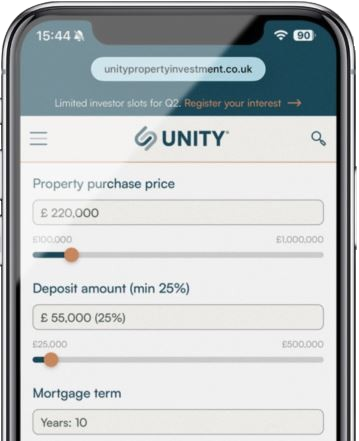
Buy to let investment and rental yield calculator
Investment Suitability Overview
Investment
Suitable for income
Suitable for growth
Suitable for beginners
Liquidity
Investment Strategies by Investor Profile
Investor Profile
Primary Goal
Suitable Investment Strategy
Frequently Asked Questions
Can you live off investing £100,000?
Is £100,000 enough to become financially independent?
Is £100k enough to buy an investment property?
Should I pay off my mortgage or invest £100k?
Can I invest £100k through a limited company?
How to invest £100k safely during a recession?
Should I invest £100k all at once or monthly?
What is the average return on a £100k investment?
Where can I invest 100k for completely passive growth?
Where do I invest 100k to generate a monthly income?
Where would you invest 100k right now?
How much should I keep in cash?
Case study
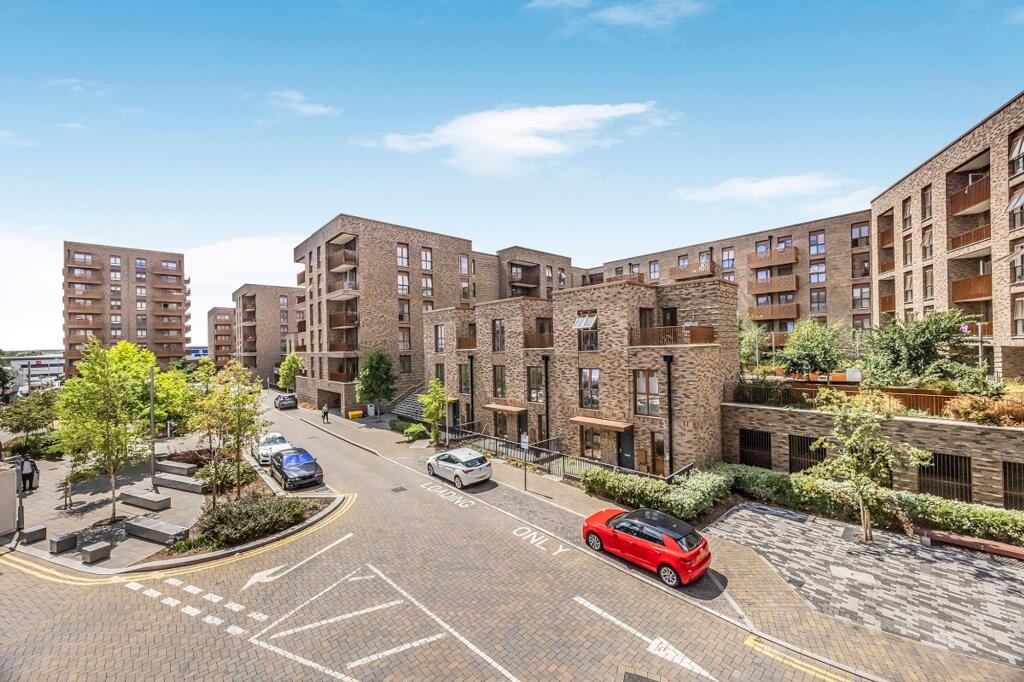
- Property Price:£300k
- Mkt Value at purchase:£320k
- Day one equity:£20,000
- Yield:6.8%
- ROCE:30.1%
.avif)