
.jpg)










Finding genuine property investment opportunities in a saturated market is increasingly difficult. With retail buyers competing fiercely on major property portals, professional investors are turning to the off-market sector to secure their next acquisitions. This comprehensive guide details exactly how the parallel off-market property sector operates, where these opportunities originate, and how investors can build robust, high-yielding portfolios by thinking beyond Rightmove and Zoopla.
Executive Summary
The search for off-market property has increased significantly as investors look for viable alternatives to the highly competitive open market.
Industry data suggests that between 10% and 20% of all UK residential property transactions now complete without ever appearing on a public portal. With official government statistics showing nearly 100,000 property transactions completing monthly in the UK, the off-market sector represents a massive pool of untapped assets. Professional investors target these off-market opportunities to access motivated sellers, avoid retail bidding wars, and secure properties with strong potential for value creation.
This guide explains what off-market property means, how professional acquisition channels work, and how investors can safely assess these opportunities to build resilient buy-to-let portfolios.
Key Takeaways
- Off-market does not mean heavily discounted: Successful investors use off-market channels to find motivated sellers and fair pricing, rather than expecting arbitrary, massive discounts.
- Speed and certainty drive the market: Sellers often choose the off-market route to avoid the five-to-six-month delays typical of open-market sales, prioritising a guaranteed, fast completion.
- Regulation is increasing supply: The impending buy-to-let EPC ratings deadline and the new Renter's Rights Act are causing many landlords to sell their portfolios quietly.
- Due diligence is critical: The unregulated nature of some property sourcing means investors must independently verify valuations, rental demand, and legal compliance before purchasing.
- Direct-to-vendor is the strongest channel: Bypassing estate agents allows investment firms to negotiate directly with homeowners, eliminating intermediary fees and retail competition.
Introduction
The United Kingdom residential property market operates on two distinct levels. The vast majority of retail homebuyers rely entirely on public platforms such as Rightmove and Zoopla.
Meanwhile, professional investors frequently transact away from the public gaze.
Understanding what off-market property actually means, why this parallel market exists, and how to successfully navigate it is essential for anyone building a long-term investment portfolio.
In recent years, the search for off-market property UK deals has surged. Driven by higher interest rates and strict regulatory changes, professional buyers actively seek acquisition routes that bypass the saturated open market. Currently, an estimated 10% to 20% of all property transactions complete without ever being advertised publicly.
However, the pursuit of an off-market investment property is frequently clouded by a persistent industry misconception: the belief that "off-market" automatically means a property is available significantly below market value.
This is an inaccurate view of how the market works. While discounts certainly exist, experienced investors do not search for off-market houses simply expecting a huge price reduction on day one.
Instead, successful buyers target these assets because they offer access to highly motivated sellers, severely reduced retail competition, faster transaction timelines, and genuine opportunities to create value.
To navigate this landscape effectively, investors must look beyond the marketing hype. This guide explores the realities of off-market transactions, explaining genuine sourcing methods, the importance of independent analysis, and how professional businesses acquire these opportunities.
Key Facts
- 10-20% of UK residential transactions complete off market.
- Typical motivated seller discount: 5-15%.
- Transaction speed: Direct-to-vendor purchases can complete in as little as 7-28 days.
- Core focus: Most professional investors focus on value creation rather than headline discounts.
Where Do Investors Find Off-Market Property?
Before diving into the detailed mechanics of off-market acquisitions, it helps to understand exactly where these deals originate. Investors typically source off-market properties through a handful of distinct channels:
- Estate agents: Tapping into "pocket listings" before properties are publicly launched online.
- Direct-to-vendor companies: Working with established homebuying companies, such as Moov Homes, who acquire properties directly from homeowners.
- Professional sourcing firms: Using established deal packagers who find, negotiate, and secure investment properties for a fee.
- Auctions: Monitoring auction houses for distressed stock or short-lease properties that standard buyers ignore.
- Developers: Negotiating bulk purchases on new-build units prior to public release.
- Portfolio sales: Buying multiple properties directly from retiring or fatigued landlords.
What Is Off-Market Property?
In broad terms, an off-market property is any real estate asset available for purchase that is not publicly advertised on mainstream property portals, social media, or in local estate agency windows.
However, to conduct an accurate investment property appraisal, investors need to understand that this term covers several distinct types of sales.
The most literal interpretation involves properties that are simply not publicly marketed. This absence of a digital footprint ensures privacy and limits the buyer pool to a small group of pre-vetted investors. This route is often preferred by vendors dealing with sensitive personal circumstances who wish to avoid public viewings.
A highly efficient sub-category is direct-to-vendor acquisition. This happens when a buyer or an investment firm contacts a homeowner directly, bypassing traditional estate agents entirely.
This route eliminates agency fees, prevents retail bidding wars, and creates a direct line of communication between the buyer and the seller. Closely related to this are private sales, which refer to peer-to-peer transactions occurring within an established network.
Estate agent exclusive lists, often called pocket listings, represent another common form of off-the-market property. Established estate agents maintain private databases of proven buyers. When an agent secures a desirable instruction, they often offer the property exclusively to these buyers before spending money on a public marketing campaign.
Similarly, pre-market opportunities are assets that agents fully intend to list publicly, but which are briefly offered to a select group of buyers first. Securing a pre-market opportunity allows an investor to make a definitive offer before the asset reaches the wider public.
Finally, while property auctions are public events, auction properties are heavily utilised by professional investors seeking off-market properties for sale that standard retail buyers cannot purchase. Properties sent to auction often feature structural defects or short leases, making them unmortgageable and thus functionally "off the market" for normal homebuyers.
In the off-market sector, the primary objectives are usually speed, certainty, or privacy. In many situations, certainty is worth a premium. Sellers will often accept a realistic market price, or a slight discount, in exchange for a guaranteed transaction.
In reality, a genuine, massive discount on a structurally sound asset rarely exists in a data-rich market. Professional investors do not use off-market channels simply expecting to buy cheaply; they use them to access motivated sellers and realistic pricing that has not been inflated by retail bidding wars.
Why Do Sellers Choose to Sell Off Market?
To understand how to source off-the-market properties effectively, investors must first understand the vendor's circumstances.
On the open retail market, the primary objective is almost always achieving the highest possible sale price. In the off-market sector, the primary objectives are usually speed, certainty, or privacy.
In many situations, certainty is worth a premium. Sellers will often accept a realistic market price, or a slight discount, in exchange for a guaranteed transaction. Sellers typically choose the off-market route due to the following situational pressures:
- Inherited Property and Probate: When a property is inherited, the beneficiaries are often geographically dispersed. Probate properties are frequently dated and require substantial modernisation before they appeal to a modern retail buyer. Selling off-market to an investor provides a fast release of capital.
- Divorce and Separation: In cases of marital separation, a swift and discreet sale is often preferable to a long public marketing campaign. The priority is to liquidate the shared asset quickly.
- Relocation and Chain Collapses: If a vendor's buyer pulls out at the final hour, the vendor risks losing their own onward purchase. In these scenarios, the vendor is highly motivated to secure an immediate off-market cash buyer.
- Financial Pressure and Repossessions: Homeowners facing financial distress require immediate liquidity. The traditional open market, which averages five to six months to complete, is too slow to solve imminent financial crises.
- Landlords Exiting the Market: Sweeping regulatory changes, such as the Renter's Rights Act and impending energy efficiency compliance mandates, have prompted a wave of landlord disposals. Selling a tenanted portfolio on the open market is difficult. Exiting landlords prefer to sell off-market directly to investors who will purchase the assets with the tenants in situ.
- Developers and Privacy: Developers frequently sell blocks of new-build units privately to institut ional investors. Furthermore, high-net-worth vendors actively avoid the digital footprint associated with portal listings to maintain their privacy.
Is Off-Market Property Cheaper?
This is an extremely important section to understand. Is off-market property automatically cheaper? No.
The industry features many exaggerated claims from unregulated sourcers promising properties at 30% below market value simply because they are "off-market."
In reality, a genuine, massive discount on a structurally sound asset rarely exists in a data-rich market. Professional investors do not use off-market channels simply expecting to buy cheaply; they use them to access motivated sellers and realistic pricing that has not been inflated by retail bidding wars.
It is important to distinguish between motivated sellers and distressed sales:
- Motivated Sellers: Value speed and certainty over extracting the absolute maximum price. A realistic discount in these scenarios typically ranges from 5% to 15%.
- Distressed Sales: Involve properties that are functionally unmortgageable. This might include severe structural subsidence or a non-compliant Energy Performance Certificate (EPC) rating of F or G. Distressed properties are cheaper, but the buyer must absorb massive execution risk and inject significant capital.
The best investments often create value after purchase rather than relying purely on buying cheaply. Professionals actively seek properties where value can be forced through extensive refurbishment or rental optimisation.
Consider an investor who sources an off-market house with an EPC rating of E. Because amateur landlords are intimidated by impending energy regulations, the property is secured at a fair price. The investor then implements a targeted schedule of works, upgrading the insulation and heating systems.
By understanding how we refurbish investment properties, the investor improves the asset to an EPC C rating. Upon completion, the property is refinanced at a significantly higher post-works valuation. The profit was manufactured through strategic value creation, not simply by stumbling upon a cheap property.
Example: Creating Value Through an Off-Market Purchase
A landlord sells a two-bedroom house privately because they are retiring and want a quick sale. Unity acquires the property through Moov Homes, completes targeted refurbishment works, increases the rent to market level, and refinances the property based on its improved value. Rather than relying on a large purchase discount, value is created through refurbishment, rental optimisation and efficient acquisition.
Why Isn't Every Off-Market Property a Good Investment?
Just because a property is sold privately does not mean it is a sound financial asset. In fact, many properties are kept off the open market precisely because they possess severe fundamental flaws. Investors must approach every opportunity objectively and watch out for:
- Poor location: Properties lacking strong transport links or proximity to major employment hubs will struggle to attract quality tenants.
- Low tenant demand: Areas suffering from a declining population or an oversupply of new-build flats will inevitably face longer void periods.
- Expensive refurbishment: A cheap purchase price can be entirely wiped out if the property requires a complete structural overhaul, damp proofing, or a new roof.
- Restrictive lease terms: When assessing flats, high, unregulated service charges or short leases can mathematically destroy your net returns, making leasehold vs freehold buy-to-let dynamics crucial to analyze.
- Flood risk: Uninsurable or unmortgageable properties located in flood zones represent a catastrophic risk to capital preservation.
Common Myths About Off-Market Property
Because off-market sourcing occurs behind closed doors, several pervasive myths have developed around the sector.
Myth 1: All off-market properties are below market value.
False. Many off-market properties are sold at fair market value. The benefit to the investor is reduced competition and the ability to negotiate without pressure, rather than an automatic discount.
Myth 2: Only cash buyers can buy them.
False. While liquidity is a distinct advantage, especially for 14-day completions, many investors secure off-market deals using bridging finance or fast-tracked commercial mortgages, eventually refinancing onto standard buy-to-let products.
Myth 3: Estate agents never have off-market stock.
False. Established estate agents are one of the primary sources of off-market property. They hold "pocket listings" which they offer exclusively to reliable, retained buyers before publishing them online.
Myth 4: Every sourcing company has exclusive deals.
False. The sourcing industry is full of operators "daisy-chaining" deals. A poor-quality sourcer will often advertise a property they found from another sourcer or a local estate agent, falsely claiming it as an exclusive off-market opportunity.
Advantages of Buying Off-Market Property
Securing property away from the public gaze provides investors with several commercial advantages that are difficult to replicate on the open market.
- Reduced Competition: When a desirable property is listed publicly, it attracts owner-occupiers who may overpay because they are buying a family home. Operating off-market eliminates this retail competition entirely.
- Fewer Bidding Wars: The absence of competing bids naturally prevents the artificial price inflation that frequently harms gross average rental yield projections.
- Stronger Negotiation: Without multiple competing bids, off-market negotiations are typically calm and structured around mutual benefit. The buyer can use their ability to complete swiftly as a primary negotiating tool.
- Faster Purchases: Because off-market sellers are motivated, transaction timelines are drastically compressed. While standard conveyancing takes months, off-market sales can frequently complete in as little as 14 to 28 days.
- Portfolio Building: Investors can recycle their capital much faster when transaction times are short. Investors can model how this impacts long-term wealth generation using a portfolio projection tool.
- Unique Opportunities: Asset classes such as tenanted blocks of flats or retiring landlord portfolios rarely appear on consumer portals. Accessing these assets privately allows investors to improve their overall returns at scale.
Looking to expand your portfolio?
If you're looking for professionally sourced off-market investment opportunities, see how Unity sources properties through estate agents, auctions and our wholly owned subsidiary Moov Homes.
Risks of Buying Off-Market Property
While the advantages are significant, the off-market sector is opaque and heavily populated by inexperienced operators. Investors must approach these opportunities with caution.
The most prevalent risk stems from poor due diligence and reliance on inexperienced sourcing companies. The UK property sourcing industry is heavily fragmented.
Unprofessional deal sourcers frequently charge inflated sourcing fees for off-market leads that have not been properly vetted. A major risk is paying a non-refundable fee for an asset that possesses hidden structural defects or severe legal title issues.
Another common pitfall is fake "exclusive" deals. This occurs when a sourcer claims to have an exclusive off-market property but has simply copied the details from a local estate agent. By the time the investor sees the property, it is heavily marked up with multiple layered fees.
To make a deal appear lucrative, poor-quality sourcing companies frequently use unrealistic yield projections. They highlight the maximum theoretical gross yield while ignoring mandatory local authority licensing fees, standard maintenance reserves, and realistic void periods.
Understanding the nuances of different property types is critical. For example, unregulated service charges hidden within a leasehold title can destroy a property's buy-to-let profit, making it essential to evaluate operational frictions carefully.
To mitigate these risks, independent valuation is non-negotiable. Investors should use a comprehensive property due diligence checklist and instruct an independent RICS surveyor. Investors should also be aware of the 5% higher rate surcharges applicable to additional residential dwellings.
How Investors Find Off-Market Property
Securing a consistent pipeline of off-market investment property requires significant operational infrastructure. Professional investors use a variety of acquisition routes to find the right assets.

Portfolio projection tool

- Estate Agents: Building credible relationships with branch managers helps investors access pocket listings before public marketing begins.
- Auctions: Monitoring auction catalogues provides access to distressed or unmortgageable stock that retail buyers cannot finance. This carries high execution risk if legal packs are not scrutinized carefully.
- Direct-to-Vendor Companies: Working with a dedicated homebuying company, such as Moov Homes, allows investors to reach homeowners directly. This entirely bypasses the open market and eliminates intermediary fees, although setting up this infrastructure independently requires massive marketing budgets.
- Networking: Attending local property investor meetings helps connect directly with landlords looking to sell peer-to-peer. This method is time-intensive.
- Landlord Portfolios: Purchasing directly from retiring landlords provides immediate cash flow with tenants in situ. The main risk is inheriting legacy compliance issues.
- Sourcing Companies: Engaging professional sourcing firms outsources the heavy lifting of acquisition. While this saves time, sourcing fees impact overall returns.
Moov Homes
Unity Property Investment owns Moov Homes, its wholly owned subsidiary, which specialises in purchasing properties directly from homeowners.
Moov Homes provides a fast, fair, and fully managed sale for vendors seeking certainty, completing transactions in as little as 7 to 28 days. Because Moov Homes engages homeowners directly through targeted marketing and instant online valuation technology, Unity sits at the very top of the acquisition funnel.
Homeowner
▼
Moov Homes
▼
Property Assessment
▼
Investment Analysis
▼
Due Diligence
▼
Unity Investors
Every enquiry received by Moov Homes is assessed individually. We do not automatically assume that every home being sold is a viable investment. In fact, only a small proportion of the properties we review become formal investment opportunities for our clients.
When a homeowner contacts Moov Homes, they are seeking a fast, transparent, and fair cash offer. We provide instant, data-led valuations supported by independent RICS surveyors. However, not every property aligns with Unity’s strict criteria for long-term rental performance or capital growth.
The properties that do not meet our rigorous standards follow different paths. Many are simply unsuitable for buy-to-let purposes, perhaps due to location, structural complexities, or poor local rental demand. Others may be sold retail on the open market, or in some cases, they are retained by their original owners if a direct sale no longer fits their needs.
This thorough filtration system is precisely what creates value for our investors. By managing the initial point of contact, we strip away the noise of the open market. This integration is crucial, allowing Unity to control the acquisition process from the first homeowner enquiry through to investor acquisition. We have full visibility over the vendor’s motivations, the property's true condition, and the commercial realities of the deal long before it is packaged for an investor.
Before any property is offered to investors, it undergoes a rigorous five-step verification process:
- Appraisal: A professional assessment of the property’s physical condition and true market value, using independent data.
- Refurbishment Assessment: A breakdown of the capital expenditure required to bring the property to optimum rental condition.
- Rental Analysis: Deep modelling of tenant demand, realistic void periods, and achievable gross and net yields.
- Due Diligence: Comprehensive legal checks regarding title deeds, service charges, and local authority licensing.
- Investment Review: A strict underwriting phase where the asset is stress-tested against Unity's strict investment criteria.
Direct-to-Vendor Acquisition Explained
The term direct-to-vendor describes a business model where an acquisition firm markets directly to the property owner, entirely removing the estate agent from the transaction.
This mechanism is highly prized because it cuts out intermediary fees, prevents the property from being exposed to competitive retail bidding, and allows the buyer to structure terms that directly solve the seller's specific problem.
Some professional investment businesses operate their own acquisition companies specifically to feed their investor pipelines with high-quality stock. Unity serves as a real-world example of this structural advantage. How this translates into actionable investments is detailed further in the how it works guide.
Because Moov Homes engages homeowners directly, it enables Unity to filter through hundreds of potential leads, identify the assets that possess strong macro-economic fundamentals, and secure the best investments across targeted investment areas.
What Does a Property Sourcing Company Actually Do?
For investors who lack the time or operational infrastructure to run complex direct-to-vendor campaigns, partnering with a property professional is the logical alternative. However, understanding the distinct roles within this sector is essential.
A professional property partner essentially acts as an outsourced acquisition department.
The core functions encompass sourcing the initial lead, conducting negotiation, and performing preliminary due diligence. Beyond acquisition, premium operators assist with refurbishment planning, conduct investment analysis, assess tenant demand, and provide acquisition support to push the transaction through to completion.
It is absolutely crucial to verify a sourcing company's compliance before engaging them. By law, UK property sourcers must be registered with a government-approved redress scheme, such as The Property Ombudsman (TPO) or the Property Redress Scheme (PRS). They must also maintain HMRC Anti-Money Laundering (AML) supervision to ensure transparent operations.
The level of service varies widely depending on the type of firm engaged:
- Sourcing Companies: These firms actively hunt for properties, package the theoretical financial metrics, and sell the lead to an investor for a fixed fee. They rarely oversee the legal conveyancing or long-term management of the asset.
- Buying Agents: Retained by high-net-worth individuals, buying agents search the whole market for specific residential homes and negotiate the price. They are focused heavily on owner-occupier acquisition.
- Investment Consultancies: Firms like Unity provide a comprehensive, end-to-end service. They source the asset, manage the due diligence, oversee the legal transaction, and seamlessly transition the property into long-term management.
Investors looking to understand the comprehensive value provided by an end-to-end service can explore the role of property investment consultants and review transparent breakdowns of typical investor fees.
Questions to Ask Before Buying Off-Market Property
When presented with an off-market property, investors must actively protect their capital.
It is imperative to deploy a rigorous analytical framework to separate genuine opportunities from overpriced liabilities. Before proceeding, demand precise answers to these practical questions:
- Why is the property off market? Understanding the vendor's true motivation is paramount. Is there a genuine need for speed, or is the property hiding a severe structural defect?
- Has it been independently valued? Never rely solely on the sourcer’s theoretical valuation. Insist on an independent RICS survey.
- What comparable sales support the asking price? Do not accept anecdotal evidence. Look for recent, identical property sales on the exact same street.
- What refurbishment is required? Accurately quantify the costs. Does the property require a minor cosmetic update, or a major structural overhaul?
- What rental evidence exists? Request actual signed tenancy agreements from identical nearby properties, or written valuations from independent local letting agents.
- What exit strategies exist? Every property must have a viable exit route. Can the asset be easily refinanced or sold to a retail buyer? Understanding different buy-to-let exit strategies is essential.
- What legal due diligence has been completed? Investigate the title deeds meticulously. Are there restrictive covenants or unregulated service charges?
To fully understand how to evaluate these parameters, investors should master detailed investment property analysis before committing funds. Real-world applications of these principles can be viewed within our detailed case studies.
Off-Market vs On-Market Property
To clearly illustrate the fundamental differences between the two acquisition routes, the following table compares key transaction dynamics:
Off-Market vs On-Market Transaction Dynamics
Feature
Off-Market Property (Direct/Private)
On-Market Property (Portals/Agents)
.png)
Who Should Consider Off-Market Property?
To determine whether pursuing off-market deals fits your personal goals, it is essential to align the strategy with your investment profile.
Suitable for:
- Portfolio landlords looking to rapidly recycle capital.
- Busy professionals seeking an efficient, low-friction acquisition route.
- Investors seeking clear value-add and refurbishment opportunities.
- Long-term buy-to-let investors looking to build strong, yielding assets.
Less suitable for:
- First-time buyers purchasing a home to live in.
- Investors with no contingency budget for hidden refurbishment surprises.
- Buyers expecting every single deal to automatically feature a massive 30% discount.
Are Off-Market Properties Worth It?
The appeal of off-market property is undeniable, but it is not a guaranteed shortcut to wealth. The simple fact that a property is off the market does not inherently make it a sound financial asset.
Successful investing depends entirely on the fundamental mathematics of the individual deal. Securing a property off market is only worthwhile if the investor excels at buying well, analysing the macro-economics correctly, understanding the true costs of refurbishment, accurately forecasting rental demand, and securing optimal finance using a buy-to-let calculator.
When approached with rigorous discipline, engaging with off-market opportunities provides unparalleled access to motivated sellers and protects investors from irrational retail overbidding.
However, it requires a comprehensive understanding of strict investment criteria and a commitment to professional, long-term property management to ensure the asset performs optimally.
-v1.avif)
Get investor insights and early access to opportunities
Join our investor briefings for structured insights, market updates, and priority access to new deals.

No spam, just timely insights for investors We respect your privacy and never sell your data
Buy to let investment and rental yield calculator
Frequently Asked Questions
Can first-time investors buy off-market property?
Yes, but with caution. First-time buyers can access off-market deals through direct-to-vendor sourcing or professional investment consultancies. However, because the sector is heavily unregulated, beginners must be extremely vigilant about conducting independent due diligence and avoiding unprofessional sourcing agents who charge inflated fees.
Can you get a mortgage on off-market property?
Yes. If the off-market property is habitable, structurally sound, and compliant with current EPC regulations, standard buy-to-let mortgages apply. If the property is distressed or unmortgageable, investors frequently use short-term commercial bridging finance to acquire it quickly, complete the necessary refurbishments, and then refinance it onto a standard mortgage.
What is a pocket listing?
A pocket listing is an off-market property that an estate agent has been instructed to sell but does not advertise publicly on major portals like Rightmove or in their shop window. Instead, the agent offers the property exclusively to a private list of pre-vetted, reliable buyers within their "black book."
How long do off-market purchases take?
Off-market transactions are typically much faster than open-market sales. While standard public conveyancing can take five to six months, off-market direct-to-vendor cash purchases can frequently exchange and complete within 14 to 28 days because the sellers are highly motivated and the buyers are usually chain-free.
What is off-market property?
An off-market property is a real estate asset that is available for purchase but is not publicly advertised on mainstream property portals like Rightmove or Zoopla. These transactions happen privately, either direct-to-vendor, through specific sourcing networks, or via exclusive estate agent lists.
What does off-market actually mean?
It means the property is being sold discreetly. The seller has chosen not to create a public digital footprint for the sale. This approach limits the buyer pool to a select group of qualified investors or cash buyers, usually in exchange for a faster, more secure transaction.
Is off-market property cheaper?
Not automatically. While some off-market properties are sold below market value by motivated sellers who require a fast transaction, many are sold at a fair market price. Genuine discounts usually reflect a trade-off for speed, or indicate physical or legal defects.
How do investors buy off-market property?
Investors typically acquire these properties through direct-to-vendor marketing campaigns, networking with other landlords, building strong relationships with estate agents to access pocket listings, attending property auctions, or by using professional property sourcing companies.
Where do off-market deals come from?
Supply typically comes from homeowners facing situational pressures such as divorce, probate, or financial distress. A growing source of supply also comes from landlords exiting the private rented sector due to tightening regulations or impending energy efficiency requirements.
Are off-market properties better investments?
They can be, provided the purchase price reflects the property's true commercial value. They offer the distinct advantage of avoiding retail bidding wars. However, the quality of the investment depends entirely on the investor's ability to conduct thorough due diligence.
How do professional investors source off-market opportunities?
Professionals use multi-channel acquisition strategies. Some, like Unity Property Investment, operate their own dedicated direct-to-vendor acquisition platforms to connect directly with homeowners. They also leverage extensive local networks, relationships with developers, and commercial auction houses.
How can investors avoid poor sourcing companies?
Investors must verify the sourcer's legal compliance. A legitimate sourcing company must be registered with a government-approved redress scheme (like The Property Ombudsman), hold HMRC Anti-Money Laundering (AML) supervision, and carry Professional Indemnity Insurance.
Why do landlords sell portfolios off-market?
Selling a tenanted property on the open market is difficult because standard retail buyers usually require vacant possession. Exiting landlords prefer to sell off-market directly to professional investors who are willing and equipped to purchase the properties with the existing tenants in situ.
What fees do property sourcing companies charge?
Fees vary significantly. Some traditional sourcers charge a fixed finder's fee, typically ranging from £3,000 to £10,000, payable upon securing the lead. End-to-end investment consultancies may charge a percentage of the purchase price or a comprehensive fee that covers sourcing, due diligence, and management.
Ready to explore genuine off-market opportunities?
Building a profitable, resilient property portfolio requires access to substantial capital, strategic vision, and access to the right assets. If you are considering expanding your portfolio and wish to explore fully vetted, professionally sourced investment properties, we invite you to book a call with Unity Property Investment.
During this consultation, our team will comprehensively discuss your overarching investment goals, detail our proprietary direct-to-vendor sourcing strategy, outline our strict investment criteria, and present currently available opportunities that align with your requirements.
Comparison of Common Off-Market Property Sourcing Channels
Source
Competition
Typical Discount
Difficulty
Case study
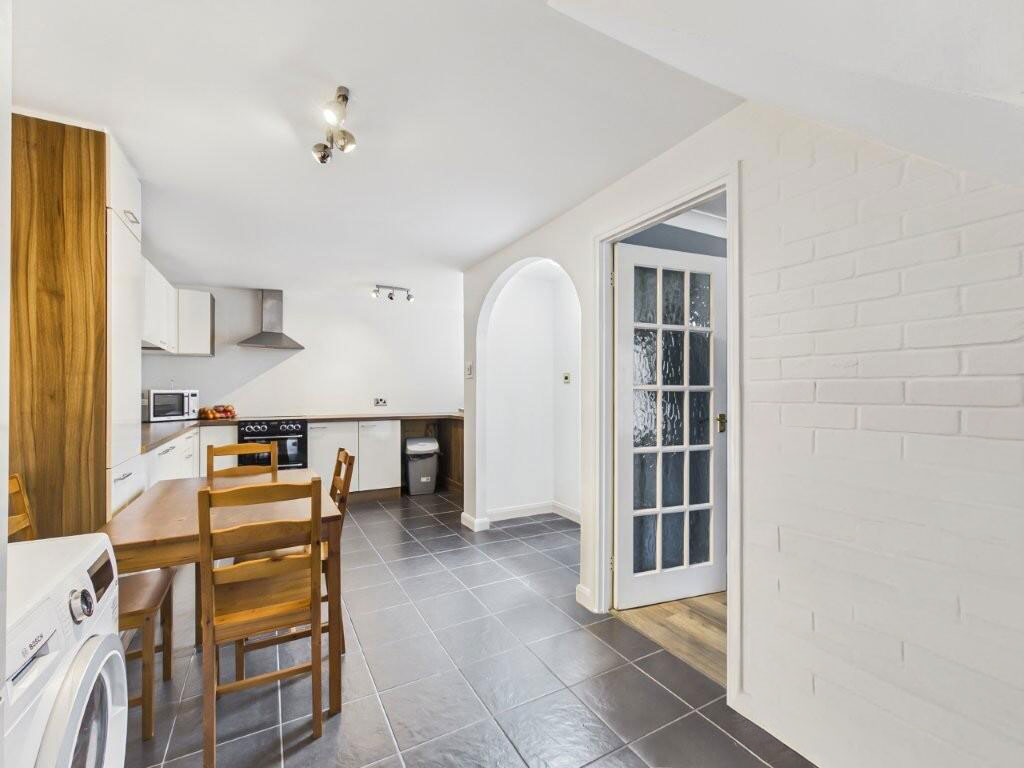
- Property Price:£275k
- Mkt Value at purchase:£290k
- Day one equity:£14,500
- Yield:7.2%
- ROCE:28.6%
.avif)