.jpg)







How Much Money Do You Need to Invest in Property?
If you are considering a starting property investment, you are likely wondering exactly how much money do I need to invest in property. Many people assume you need hundreds of thousands of pounds before you can even begin. In reality, the amount you need depends entirely on the type of property you buy, your deposit size, and the investment strategy you choose.
While exact costs vary, you cannot simply look at the mortgage deposit in isolation. Between stringent lender stress tests and the 5% Stamp Duty Land Tax (SDLT) surcharge on additional dwellings, buying a property involves several upfront costs that you must budget for carefully.
This guide breaks down exactly how much money you need to invest in UK property in 2026. We will look at typical deposit sizes, the extra buying costs you need to prepare for, and practical examples of what you can actually achieve with budgets ranging from £25,000 to over £200,000. Whether you are ready to start building a portfolio or are just weighing up your options, understanding these real-world capital requirements is the first step.
Executive Summary
For many UK investors, understanding how much do you need to invest in property is the first major hurdle. While many searchers are told a flat "25% deposit" is the absolute baseline, the actual cash required is a combination of the deposit, stamp duty, legal fees, surveys, and a sensible contingency buffer. In the current mortgage market, standard buy-to-let entry-level investments can realistically be unlocked with around £25,000 to £30,000 of available capital in regional markets, while a budget of £50,000 provides significantly more flexibility. By understanding how to calculate total purchase costs and leverage mortgage finance, you can construct a realistic plan that aligns with your long-term wealth goals.
Key Takeaways
- No Universal Minimum: While cash-buying requires the full property value, leveraging a buy-to-let mortgage typically requires a 20% to 25% deposit.
- Budget Beyond the Deposit: Upfront buying costs - including Stamp Duty Land Tax (SDLT), legal fees, RICS surveys, and lender feescan add an extra 7% to 12% of the purchase price to your capital requirements.
- Regional Variation: Buying in lower-value regions like the North East or North West lowers your entry barrier and often delivers higher rental yields than Southern England.
- A Strategy for Every Budget: From £25,000 standard buy-to-lets in regional hubs to £100,000+ portfolio-building and HMO strategies, your capital dictates your starting point.
- Keep a Liquidity Buffer: Never invest every penny. Maintaining a robust contingency fund for void periods, maintenance, and potential interest rate shifts is essential for long-term stability.
Is There a Minimum Amount Needed to Invest in Property?
A common question among new investors is whether there is a strict minimum amount needed to get started. The truth is, there is no universal minimum set by law or lenders. The baseline amount you need depends entirely on your location, your mortgage, and the type of property you want to buy.
To figure out the absolute minimum, you have to look at the UK's most affordable regions. For example, if you find a lower-value terraced property in a high-yield Northern market for £100,000, a standard 25% deposit requires £25,000. Once you add Stamp Duty, legal fees, and survey costs, you could theoretically buy your first investment property with around £33,000 in cash.
However, operating with this absolute minimum leaves very little room for error. If the boiler breaks or the property sits empty for a month, you could quickly find yourself struggling. Because of this, for many first-time investors, starting with around £50,000 provides considerably more flexibility than attempting to invest with the absolute minimum.
How Much Deposit Do You Need for an Investment Property?
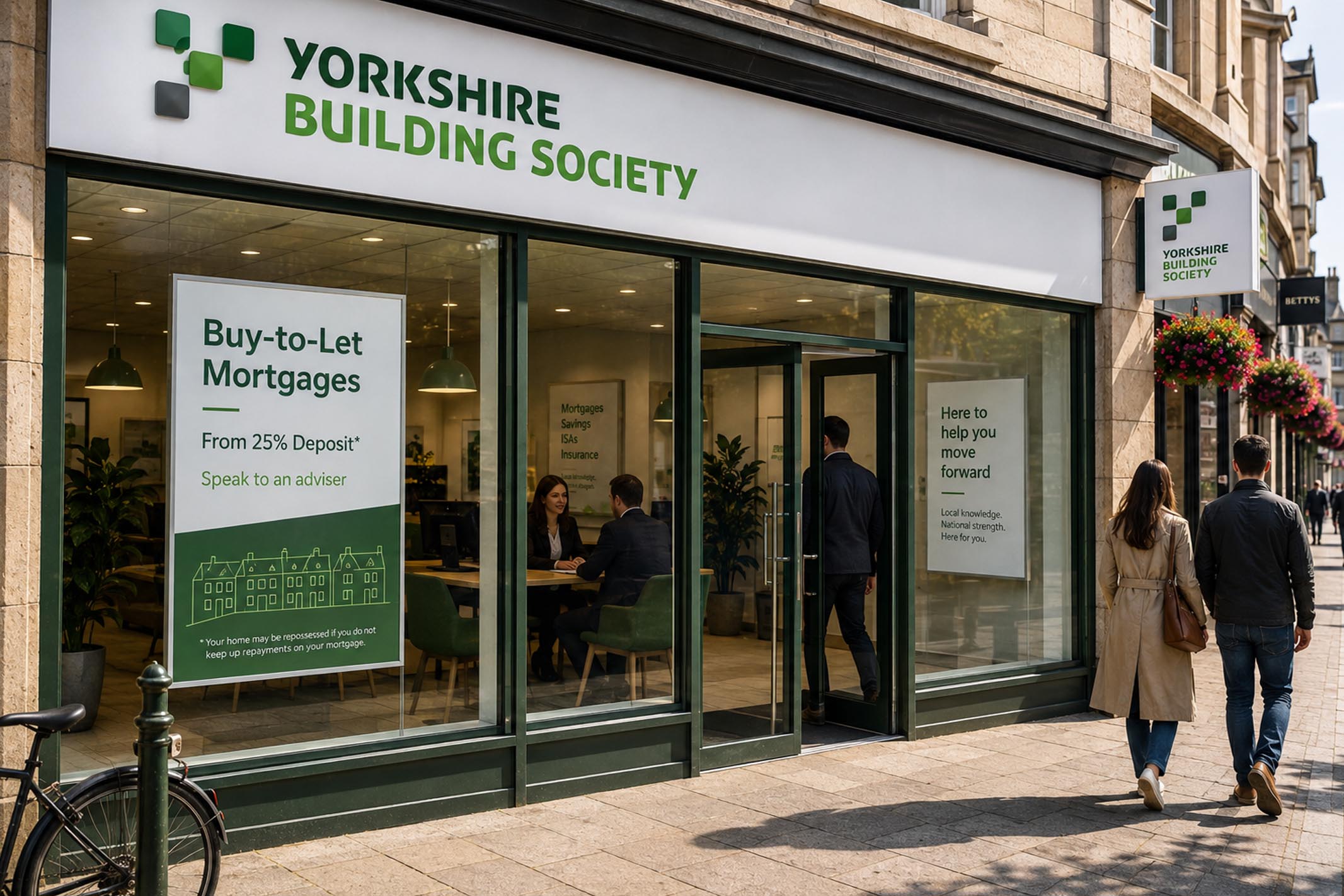
When looking at mortgages, a typical buy-to-let (BTL) lender will ask for a 25% deposit. If you are wondering how much deposit do you need to invest in property, this is widely accepted as the standard investment property minimum deposit.
Unlike residential mortgages for your own home where lenders might accept a 5% or 10% deposit based on your salary, buy-to-let mortgages are treated as commercial loans. Because the mortgage is paid using the tenant's rental income, lenders want a larger cash buffer to protect themselves in case the property sits empty or property values fall. So, if you are asking how much deposit for investment property is required, 25% should always be your baseline.
Why Lenders Sometimes Demand 30% to 40% Deposits
While 25% is the standard minimum investment property deposit, many investors are surprised when a lender asks for 30% or even 40% upfront. This usually happens because of something called an Interest Coverage Ratio (ICR) stress test.
What is ICR?
It is a calculation lenders use to ensure the rental income will comfortably cover your mortgage payments, even if interest rates go up.
Why lenders use it:
Following regulatory changes, lenders must apply a "stress rate" (typically around 5.5% in 2026) to your application. Depending on your tax bracket, they will demand that the rental income is 125% to 145% higher than the mortgage interest at this stressed rate.
An Example:
If you want to buy a £300,000 property with a 75% mortgage (£225,000) and you are a higher-rate taxpayer, the lender needs to see a very high monthly rent to approve the loan. If the local market rent for that house is only £1,200 a month, it might fail the stress test. To make the maths work, the lender will force you to borrow less money. This means you have to put down a larger cash deposit to make up the difference.
Read our guide on buy to let mortgage deposits to understand exactly how lenders calculate these requirements.
What Other Costs Should You Budget For?
A common mistake new investors make is saving up their 25% deposit and forgetting about the other costs required to actually complete the purchase.
As a general rule, you should aim to hold an extra 5% to 10% of the purchase price in cash to cover these extra fees. Here is a typical breakdown for a standard property:
The biggest mistake we see first-time investors make is focusing entirely on the deposit while underestimating purchase costs, compliance work and contingency. Planning for the full investment budget can make the difference between a stressful first purchase and a successful one.
Successful property investing isn't about having the biggest budget, it's about understanding exactly how much capital your chosen strategy requires before you commit.
Stamp Duty Land Tax (SDLT)
Since 31 October 2024, anyone buying an additional residential property in England and Northern Ireland must pay a 5% surcharge on top of standard stamp duty rates. This applies to the entire purchase price. On a £250,000 buy-to-let, that creates a £15,000 tax bill payable within 14 days of completion.
Legal and Survey Fees
You will need a solicitor to handle the contracts, searches, and transfer of funds, which usually costs around £1,000. You should also pay for an independent RICS survey to check for structural defects before you buy, which adds another £400 to £1,000 depending on the depth of the report.
Finance Fees
Lenders often charge product arrangement fees for the best interest rates (typically 1% to 2% of the loan, or a flat fee like £1,499). You will also need to pay for the bank's valuation of the property and, if you use one, a mortgage broker.
Refurbishment and Contingency
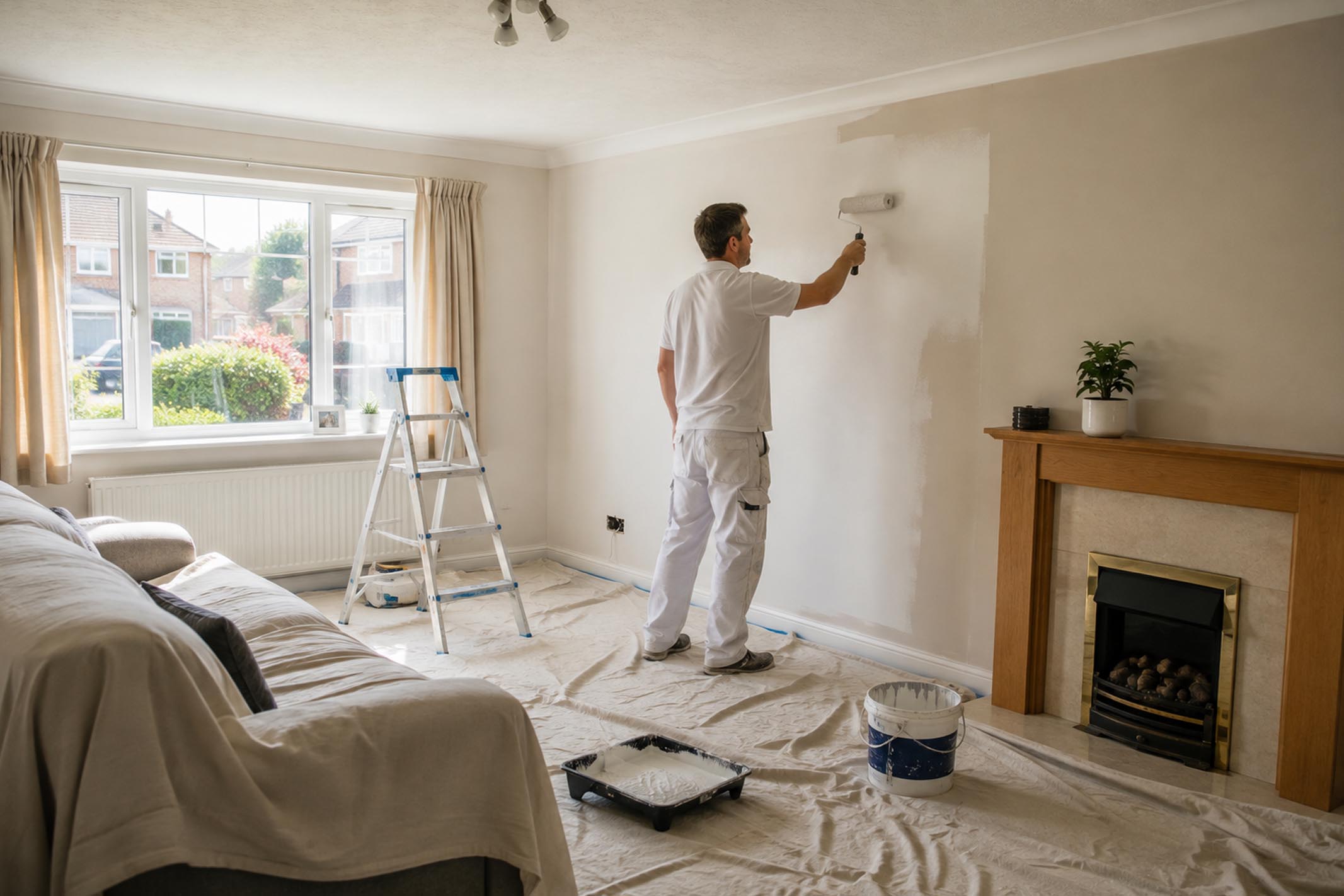
Properties rarely arrive ready for tenants. You might need to paint walls, replace carpets, or pay for mandatory gas and electrical safety certificates. Finally, you must hold a cash buffer for the first month or two when the property is empty, as you will still have to pay the mortgage and council tax out of your own pocket.
To learn more about the ongoing costs of managing a property, read our costs of being a landlord article, or browse our comprehensive buy to let investment guide.
How Can You Reduce the Amount You Need?
If you are looking at the costs above and wondering if there is a way to get started with less cash, there are several practical methods investors use to reduce their initial capital requirement.
- Buying in lower-value regions: Property prices in the South East and London demand massive deposits. Many investors look to the North East or North West, where you can still find strong rental properties for £100,000 to £150,000.
- Joint ventures: If you have the time and knowledge to find great property deals and manage a refurbishment, you can partner with an investor who has the cash but lacks the time. You pool your resources and share the profits.
- Using existing equity: If you own your own home and its value has increased, you might be able to remortgage and release some of that equity to use as a cash deposit for a buy-to-let.
- Buying below market value: Finding distressed properties or motivated sellers at auction means you can buy the asset for less than its true worth, meaning your 25% deposit is smaller.
- The BRRR strategy: You Buy a cheap run-down house, Refurbish it to increase its value, Refinance it at the new higher value to pull your cash back out, and Rent it out. This allows you to recycle the same pot of money repeatedly.
How Much Money Do You Need for Different Budget Levels?
The amount of cash you have available dictates what kind of properties you can buy. Here is a practical look at what you would actually do with different budget levels in today's market.
£25,000 Available
At £25,000, your options are highly restricted. You are limited to the cheapest micro-markets in the UK, such as older terraced housing in parts of the North East. You would put down a 25% deposit (£17,500) on a £70,000 property, leaving just £7,500 for your stamp duty, legal fees, and basic safety checks. This leaves almost no emergency fund.
£50,000 Available
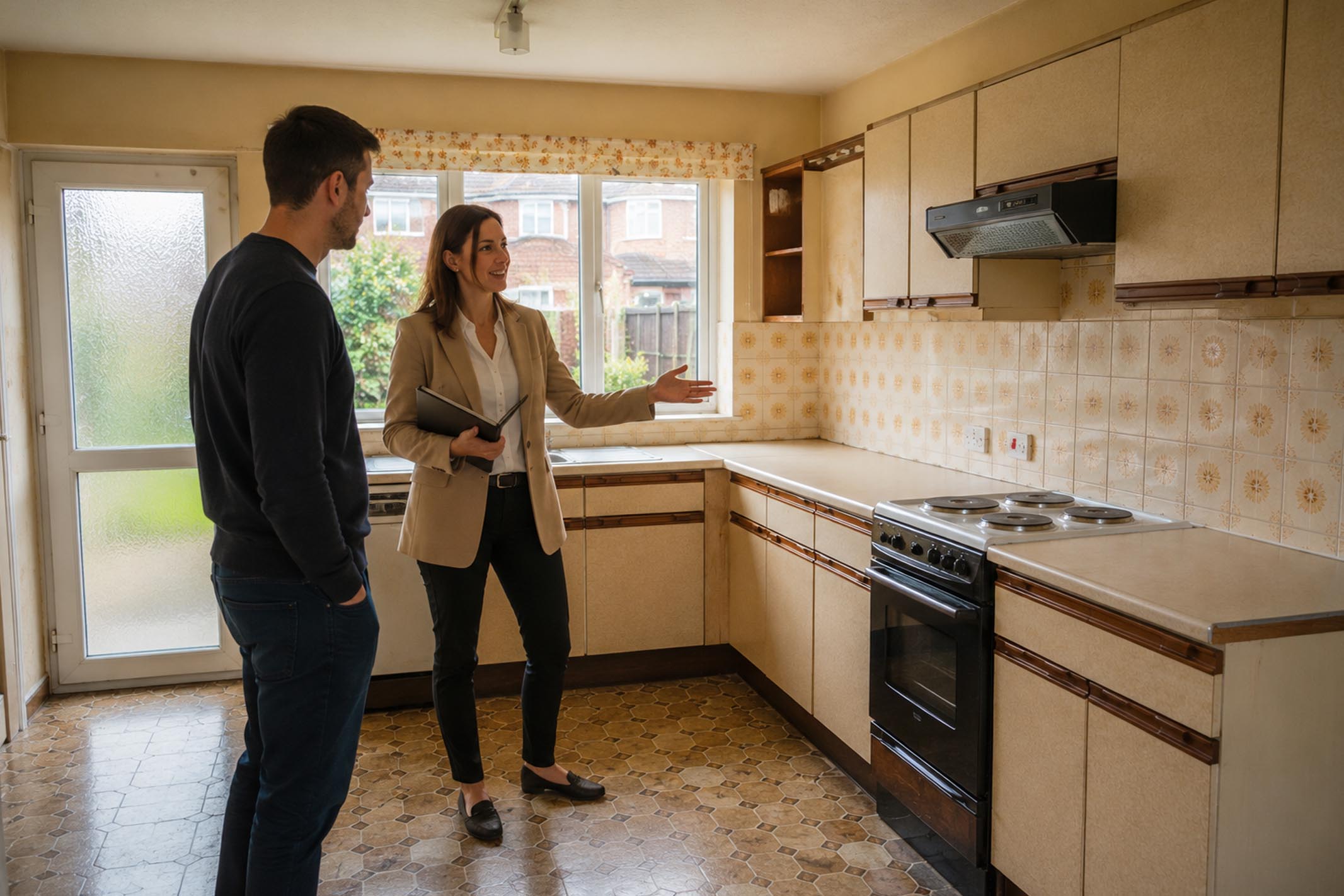
This is the level where property investment becomes much more comfortable. Someone with £50,000 might purchase a £160,000 buy-to-let using a 25% deposit (£40,000), leaving around £10,000 for SDLT, legal fees and initial improvements. You could target strong regional cities with reliable tenant demand. Alternatively, you could split the cash into two £20,000 deposits for cheaper Northern properties. Learn more about your options in our guide on the best way to invest £50k in the UK.
£75,000 Available
With £75,000, you have a solid operational buffer. You could buy a high-quality £230,000 property in the Midlands or the South West. This budget also allows you to execute light refurbishment projects, buying a slightly tired property and upgrading it to force the value up and attract higher-paying tenants.
£100,000 Available
Six figures allows you to start building a proper portfolio. You could comfortably buy three separate £100,000 properties, instantly creating three different streams of rental income to diversify your risk. Discover what this looks like in practice by reading our guide on income from a £100k investment.
£200,000+ Available
At £200,000, capital is no longer a barrier. You can execute larger developments, such as converting a standard family home into a high-end 6-bedroom House in Multiple Occupation (HMO). You can also look at commercial property or rapid portfolio expansion. If you are investing at this level, we recommend looking into tailored personal investment plans.
Can You Invest With Little Money?
If you are looking to invest in property with little money, strategies like joint ventures allow you to leverage other people's capital. You could also act as a property sourcer, finding highly discounted deals and selling them to cash-rich investors for a fee. Both options allow you to build equity and generate income even if you have a smaller savings pot.
Does Property Strategy Affect How Much Money You Need?
The reason it is impossible to give one single answer to "how much money do you need to invest in property" is because different property strategies require completely different budgets.
Standard Buy-to-Let
This is the most straightforward route. You need your 25% deposit, your stamp duty, and your legal fees. It is relatively hands-off and doesn't require huge sums of cash after you get the keys.
Houses in Multiple Occupation (HMOs)
HMOs (where you rent out individual rooms to unrelated tenants) generate incredible rental income, but they are very expensive to set up. You have to install fire alarms, soundproofing, and multiple bathrooms. In 2026, converting a standard house into a 6-bed HMO can cost anywhere from £22,000 to £33,000 per room in raw construction costs. You need a very large budget to execute this safely.
Serviced Accommodation (SA)
If you are renting a property out on a short-term basis (like an Airbnb), your upfront property purchase costs are similar to a normal buy-to-let. However, you have to budget an extra £5,000 to £15,000 to furnish the property to a hotel standard.
Refurbishments and BRRR
Buying a distressed property to renovate requires a lot of cash upfront. Uninhabitable properties usually cannot get standard mortgages, meaning you have to use expensive short-term "bridging" loans. You have to fund a 25% deposit, high bridging fees, and 100% of the building costs in cash before you can refinance the property onto a normal mortgage months later.

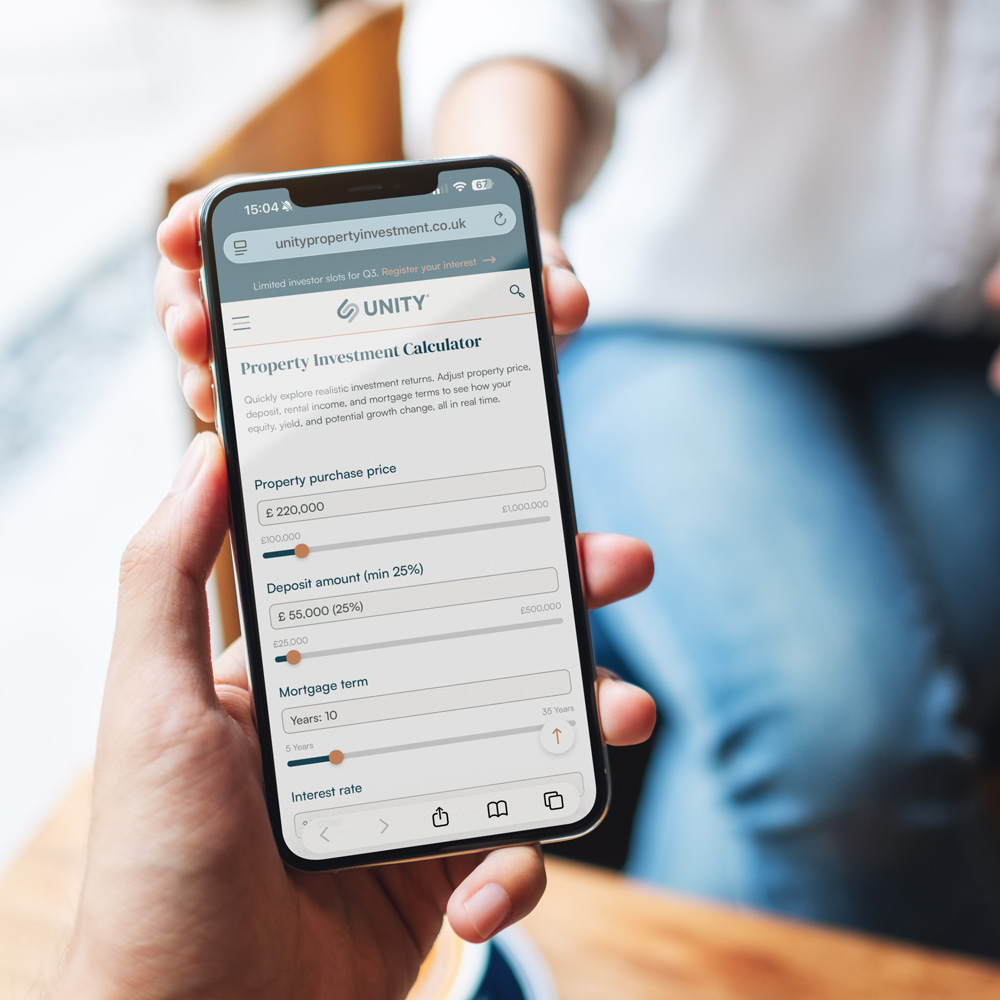
Portfolio projection tool

Should You Invest Everything You Have?
A common pitfall is calculating that you have exactly £60,000 in savings, and immediately spending all £60,000 on a property deposit and fees. This leaves you completely out of cash.
Property is an illiquid asset, meaning it can take time to access your money if you need it unexpectedly. You must always retain a cash buffer for unexpected boiler repairs, roof leaks, void periods between tenants, or sudden jumps in interest rates.
If you want to balance your property purchases with assets that are easier to access in an emergency, read our guide on low risk investments.
Is Property Still Worth Investing In?
With high deposits and the 5% Stamp Duty surcharge, many new buyers wonder if property is still worth the effort.
In 2026, property remains a fantastic investment because it is one of the only asset classes where ordinary investors can safely borrow money to amplify their returns. By using a mortgage to buy a £200,000 asset with only £50,000 of your own money, you get to keep all the capital growth and rental income generated by the entire £200,000 property. As long as you plan your budget carefully, property remains one of the best ways to build sustainable wealth. Explore this further in our guide: is property a good investment?
Conclusion
The right amount to invest isn't a fixed number. It depends on your financial position, income, investment goals and the type of property you're buying. A carefully planned purchase with £50,000 can often outperform a poorly planned purchase with £150,000.
The most successful investors are those who understand the true costs from day one - factoring in their deposit, the 5% Stamp Duty surcharge, legal fees, and their emergency fund. If you'd like to estimate deposits, rental income and potential returns, try our buy-to-let calculator.
Every investor's budget is different. If you're unsure how much capital you need or which strategy is most suitable for your circumstances, book a call with Unity Property Investment. We'll help you understand what is realistically achievable with your available budget and long-term investment goals.
Pre-Purchase Budgeting Checklist
Before buying your first investment property, make sure you've budgeted for:
- The 25% mortgage deposit.
- The 5% SDLT surcharge applied to the total purchase price.
- Solicitor and conveyancing fees.
- A professional RICS structural survey.
- Mortgage arrangement and broker fees.
- Mandatory compliance checks (EPC, EICR, Gas Safety).
- Light cosmetic refurbishment to attract good tenants.
- A 3-to-6-month cash contingency fund for emergencies.
Frequently Asked Questions
How much money do you need to invest in property in the UK?
The absolute minimum required to invest in standard UK buy-to-let property is roughly £30,000 to £40,000. This covers a 25% deposit on a lower-value property (around £80,000 to £100,000) in the North of England, plus Stamp Duty, legal fees, and basic setup costs. However, £50,000 is a much safer starting point, allowing you to buy a slightly better property and keep an emergency cash buffer.
What is the minimum deposit for an investment property?
The standard minimum investment property deposit is 25% of the purchase price. Buy-to-let loans are assessed as commercial debt. Lenders apply strict stress tests to ensure the rental income will cover the mortgage payments. If the property's rental income is too low, the lender will force you to put down a larger deposit, sometimes up to 30% or 40%.
Is £50,000 enough to start a property portfolio?
Yes. With £50,000, you have enough capital to comfortably acquire a £140,000 to £170,000 property in strong regional cities. It covers your 25% deposit, the 5% Stamp Duty surcharge, solicitor fees, and survey costs, while leaving you with a secure emergency fund. Alternatively, you could split the capital to form two £20,000 deposits on cheaper properties to establish a multi-unit property portfolio right away.
Can you invest in property with £20,000?
Yes, but rarely for a direct buy-to-let purchase because £20,000 usually isn't enough to cover a deposit, Stamp Duty, and legal fees. Instead, investors with £20,000 often use alternative strategies, such as Joint Ventures (partnering with someone who has more cash) or Rent-to-Serviced Accommodation, which requires smaller setup costs rather than a mortgage deposit.
Can you invest in property with £50,000?
Having £50,000 is an excellent starting point for property investment. It gives you enough cash to comfortably buy a £140,000 to £170,000 property in strong regional cities. It covers your 25% deposit, the 5% Stamp Duty surcharge, solicitor fees, and survey costs, while leaving you with a secure emergency fund.
Can you invest in property with little money?
Yes, you can invest with limited personal cash by leveraging the resources of others. This is often done through Joint Ventures. You might find a discounted property and manage the refurbishment, while a partner provides the cash deposit. You then split the profits. It requires little cash but demands a lot of property knowledge and hard work.
Can you invest in property with no money?
"No money down" investing usually means you are using other people's money, not that the transaction is free. You might partner with wealthy investors, use bridging finance, or remortgage your own home to release equity. While it is possible to invest without using your own savings, it carries much higher risks and you should always have a personal financial safety net.
Do you need cash to invest in property?
It is very rare for investors to buy properties outright with pure cash. The main benefit of property investing is leverage, using a mortgage to control a high-value asset with a smaller cash deposit. By putting down 25% and borrowing the rest, you get the rental income and capital growth of the entire property, which accelerates your wealth over time.
What other costs should you budget for besides the deposit?
You must budget for Stamp Duty (which includes a 5% surcharge for investment properties), solicitor fees (£850–£1,500), a structural survey (£400–£1,000), and mortgage arrangement fees. You should also keep cash aside for light refurbishments, mandatory safety certificates (Gas and Electric), and a contingency fund to cover empty periods.
How does Stamp Duty affect investment property purchases?
Stamp Duty takes a large chunk of your upfront cash. In 2026, anyone buying an additional residential property in England and Northern Ireland must pay a 5% surcharge on top of standard Stamp Duty rates. This applies to the entire purchase price. On a £250,000 property, this creates a £15,000 tax bill that you cannot add to the mortgage.
What is the BRRR strategy and how much capital does it require?
The Buy, Refurbish, Refinance, Rent (BRRR) strategy involves buying a run-down property, renovating it to increase its value, and refinancing it to pull your original cash back out. While the goal is to recycle your money, it requires a lot of cash upfront. You have to pay for the initial deposit, expensive bridging loan fees, and all the building materials out of pocket before you can refinance.
Are HMO conversions more capital-intensive than single buy-to-lets?
Yes, converting a house into an HMO (House in Multiple Occupation) requires a very large budget. You have to pay for extensive structural changes, including soundproofing, commercial-grade fire alarms, and extra bathrooms. In 2026, these conversions can easily cost between £22,000 and £33,000 per room on top of the property purchase price.
How do Interest Coverage Ratios (ICRs) affect capital requirements?
ICRs are stress tests used by lenders. They check if a property's rent is high enough to cover the mortgage interest, even if rates rise to around 5.5%. If the rent isn't high enough to pass the test, the lender won't let you borrow as much money. This forces you to make up the shortfall by putting down a larger cash deposit, often pushing it to 30% or 40%.
Suitable Investment Strategies by Available Cash
Available Cash
Typical Purchase Price
Suitable Strategy
.png)
-v1.avif)
Get investor insights and early access to opportunities
Join our investor briefings for structured insights, market updates, and priority access to new deals.

No spam, just timely insights for investors We respect your privacy and never sell your data
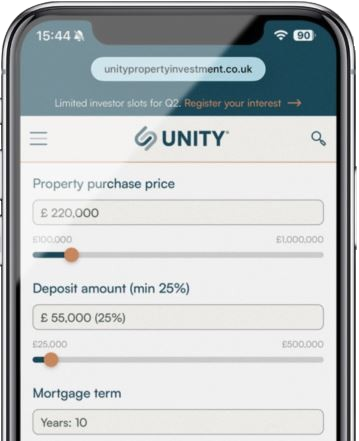
Buy to let investment and rental yield calculator
Typical Upfront Purchase Costs for a £250,000 Property
Expense
Typical Cost
Case study
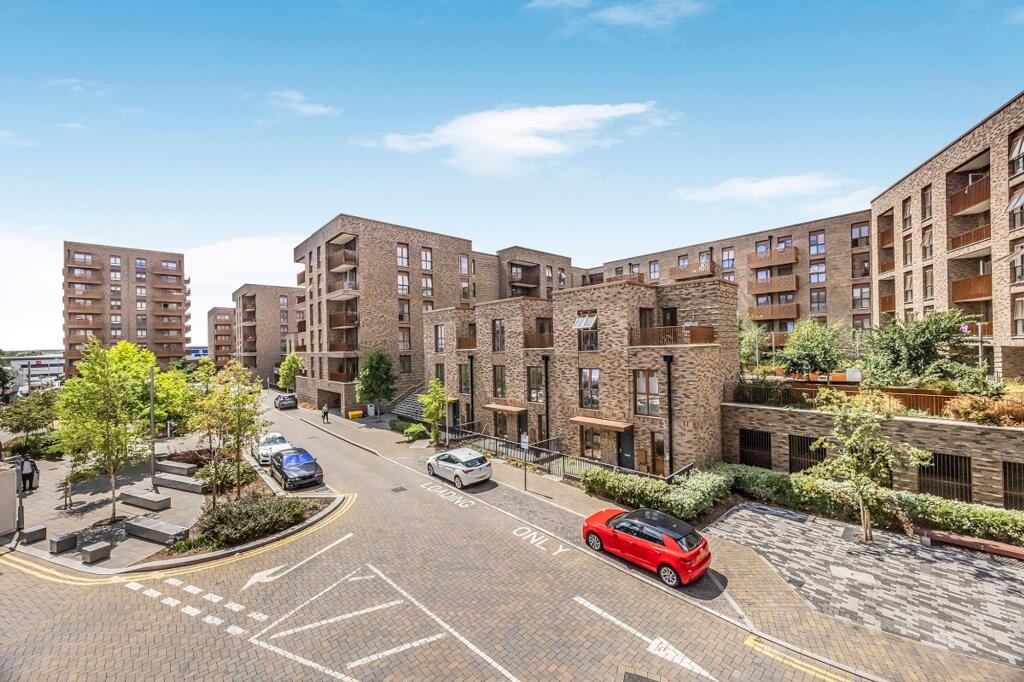
- Property Price:£300k
- Mkt Value at purchase:£320k
- Day one equity:£20,000
- Yield:6.8%
- ROCE:30.1%
.avif)