
.jpg)










The UK property market offers diverse avenues for capital deployment, but few sectors present the same blend of long-term income security and active value-creation potential as commercial real estate. While the residential market often serves as the entry point for private buyers, investing in commercial property requires a fundamentally different strategic approach. From navigating bespoke finance criteria to understanding the nuances of corporate tenant relationships, this guide provides a comprehensive framework for navigating commercial property investment in the UK.
Executive Summary
Commercial property investment is a major part of the UK real estate market. It involves buying property used for business purposes, like offices, retail shops, or warehouses, to generate rental income and capital growth. It operates differently from residential buy-to-let. The lease agreements, finance rules, and tenant relationships are highly specific to the sector. Investors must understand the unique advantages, such as longer-term leases, alongside the risks, like prolonged vacancy periods. This guide explains how commercial property investment works in the UK and helps you decide if it suits your capital and investment goals.
Key Takeaways
- Different mechanics: Commercial property relies on business tenants and commercial lease structures, operating differently from standard residential buy-to-let.
- Income characteristics: Many commercial leases use Full Repairing and Insuring (FRI) structures, under which the tenant bears responsibility for repair and insurance costs, subject to the specific lease terms.
- Vacancy risk: An empty commercial property can take time to re-let, depending on the asset and local market. During this time, landlords are usually liable for significant holding costs, such as empty property business rates.
- Capital required: Commercial property finance often requires a larger equity contribution than residential buy-to-let, although lending terms vary significantly by asset, borrower and lender.
- Lending criteria: Commercial lenders often heavily assess the tenant's business strength, the length of the remaining lease, and specific commercial interest coverage ratios when approving finance.
What Is Commercial Property Investment?
Commercial property investment in the UK means buying real estate intended for business, industrial, or retail use, rather than as a person's home. The main goal is to generate long-term financial returns. You achieve this through recurring rental income and capital growth. These returns can be strongly influenced by the operational success of the occupying business.
The basic model involves purchasing a commercial building and leasing it to a business or organisation. The tenant pays contractual rent in exchange for occupying the space. Because commercial buildings are valued largely on the strength and security of this specific income stream, you can actively create value. For example, extending a lease with a strong corporate tenant can increase the property's overall capital value.
Investors generally access the market in two ways. Direct investment involves buying the physical asset outright. This gives you complete control but requires capital concentration and specialist legal knowledge. Indirect investment means buying shares in Real Estate Investment Trusts (REITs) or partnering with a commercial property investment company or fund. This offers diversified exposure to commercial property without the burden of direct asset management.
What Types of Commercial Property Can You Invest In?
The commercial market is split into several sectors. Each sub-sector responds differently to consumer trends, economic shifts, and supply levels. They all have unique lease structures, tenant risks, and management requirements.
Offices
The office sector is a significant part of the UK commercial property investment market, frequently accounting for a large portion of annual commercial real estate investment sales. Working patterns have changed, leading to a divided market. High-quality, sustainable offices in major city centres continue to see tenant demand. However, older offices without modern energy credentials face greater challenges with tenant demand and capital values.
Retail Property
Retail property includes high street shops, retail parks, and shopping centres. The sector has evolved due to online shopping. However, prime retail parks have shown resilience, often supported by convenience-based tenants. While some secondary high streets face structural headwinds, dominant regional shopping centres often attract investment if they offer a diverse mix of consumer experiences.
Industrial and Warehouse Property
Industrial property has seen consistent demand over the last decade. This includes everything from light industrial estates for small businesses to heavy manufacturing sites. Tenant demand remains strong due to urban logistics and supply chain needs, establishing the sector as a structural outperformer across recent years.
Logistics Property
Logistics property focuses on large distribution hubs, usually located near major motorways. These assets act as critical infrastructure for global e-commerce operators and national retailers. Leases here are typically long-term, providing secure income that remains popular with commercial property investors.
Hospitality and Leisure Property
This includes hotels, pubs, restaurants, and leisure parks. These properties are closely tied to consumer spending. Income models can vary widely. Some use standard leases where the operator pays fixed rent. Others use complex turnover-linked leases or management agreements where the landlord's return changes based on the business's actual performance.
Healthcare and Specialist Commercial Property
Healthcare real estate is a growing alternative asset class. It includes care homes, medical centres, and supported living facilities. Driven by the UK's demographic changes, these assets often feature longer leases. These leases often include rent reviews linked to inflation indices, offering reliable income.
Mixed-Use Property
Mixed-use properties combine commercial and residential spaces. A common example is a ground-floor shop with flats above. They offer multiple income streams and immediate diversification. However, they present unique financing rules and specific tax implications, particularly concerning Stamp Duty Land Tax.
How Does Commercial Property Investment Work?
The practical mechanics of commercial property investment require a distinct operational approach. The investment cycle begins with acquiring a suitable asset. You must assess the physical building, the local market demand, and the financial strength of the business tenant.
Once you own the property, the relationship is managed by a commercial lease. Commercial leases are structured differently from residential agreements and often offer specific mechanisms to protect the landlord's income. Under a Full Repairing and Insuring (FRI) lease, the tenant usually assumes direct financial responsibility for repairing the building, insuring it, and paying utility and operational outgoings.
Because of this structure, for those investing in commercial property, returns rely heavily on active asset management. Landlords must proactively manage rent reviews, monitor repair obligations, and handle eventual lease renewals or tenant exits. Commercial property investment requires an understanding of specialist legal and financial principles that differ significantly from standard residential tenancies.
How Do Commercial Property Leases Work?
The lease agreement is the foundation of any commercial property investment. The specific clauses inside the document dictate the property's income security and future saleability.
A standard UK commercial lease is frequently drawn on Full Repairing and Insuring (FRI) terms. Under an FRI lease, the business tenant covers the costs of maintaining, repairing, and insuring the building. This structure helps protect your rental yield from unexpected maintenance bills.
Commercial leases are typically granted for a multi-year term, though lengths vary significantly by sector, tenant requirements, and market conditions. These leases frequently include break clauses. A break clause is a contractual provision allowing either the landlord or the tenant to end the lease early on a specific date.
Because these leases last for several years, they include rent review provisions. These ensure the rent is reviewed against the open market or inflation indices at specified intervals. Many UK commercial rent reviews have historically been "upward-only", meaning the rent can increase or stay the same, but it cannot decrease.
Another vital concept is statutory renewal rights, governed by the Landlord and Tenant Act 1954. This law gives qualifying business tenants the right to request a new lease when their current one ends. Landlords can oppose this under defined conditions, such as intending to redevelop the building. To manage this, landlords and tenants often agree to "contract out" of the 1954 Act before signing the lease, meaning the tenant will not have an automatic right to renew. Investors should obtain specialist legal advice before acquiring commercial property to understand these lease mechanics.
An attractive headline yield alone is insufficient evidence of a good investment. An asset is generally a strong investment when the underlying income stream is secure and properly risk-adjusted.
How Do Commercial Property Investors Make Money?
Commercial property investors generate returns by combining reliable income with proactive asset management.
Rental Income
The primary return mechanism is the contractual rental income paid by the tenant. Supported by FRI leases, this cash flow can offer a reliable foundation for investment. The reliability of this income depends on the financial strength of the occupying business.
Capital Growth
Capital growth happens when the underlying value of the property increases. This can be driven by market yield compression, where buyers are willing to pay a higher price for the same income stream due to wider market confidence or interest rate environments.
Rental Growth
Investors capture rental growth through rent reviews or when re-letting the property to a new tenant. If local commercial space is in high demand, the open market rental value often rises. When the rent increases, the capital value of the building typically increases to maintain the market yield.
Active Asset Management
You can create value through active asset management. This involves negotiating with tenants to restructure leases. For example, a landlord might offer a rent-free period if the tenant agrees to remove an upcoming break clause. Securing the income for a longer period can increase the building's capital value.
Refurbishment and Repositioning
Upgrading older properties is a common value creation strategy. Improving a building's Energy Performance Certificate (EPC) rating or modernising the interior helps attract stronger tenants at competitive market rents.
Change of Use or Redevelopment
When a commercial building reaches the end of its useful life, value can sometimes be generated by changing its use. Subject to planning permission, obsolete offices or older shops can sometimes be converted into residential apartments or alternative commercial spaces.
What Are Typical Commercial Property Yields?
Yield is a fundamental financial metric used to evaluate and price commercial real estate. You calculate the basic gross yield by dividing the annual rental income by the property purchase price, then multiplying by 100.
Commercial property yields vary significantly based on the risk profile of the income stream. Prime industrial and logistics assets have generally traded at lower yields than many secondary commercial assets, reflecting stronger investor demand and income characteristics according to commercial market outlooks from Savills and CBRE. Prime regional offices and secondary retail property may trade at higher yields, although pricing varies significantly by location, tenant covenant, lease structure and market conditions.
It is essential to understand the relationship between risk and yield; a higher headline yield often reflects a higher level of underlying risk. Investors comparing these figures across different asset classes often review data on the average UK rental yield to understand how residential yields compare. For a deeper breakdown of the mathematics, read our guide explaining how to work out rental yield.
How Much Money Do You Need to Invest in Commercial Property?
There is no universal minimum capital requirement for investing in commercial property. However, direct commercial real estate often demands significant upfront capital and creates a higher capital concentration requirement than some residential strategies.
You must account for multiple costs beyond the purchase price. Commercial mortgage deposits depend heavily on the lender and the specific deal, but they frequently require a substantial equity contribution.
In addition, commercial properties are subject to non-residential Stamp Duty Land Tax (SDLT) rates, as outlined by the UK Government's guidance on non-residential rates.
You must also budget for acquisition costs, which can include extensive legal fees, specialist structural surveys, and independent commercial valuations.
Crucially, you should hold contingency capital. Funds may be needed for initial refurbishments, bespoke fit-out contributions to attract tenants, and covering empty property business rates during any void periods. Direct commercial property requires careful financial planning.
How Is Commercial Property Investment Financed?
Getting a commercial mortgage differs from securing a standard residential buy-to-let loan. Commercial finance is often bespoke, with the lender evaluating the specific property, the business tenant's covenant strength, and the borrower's experience.
Eligibility and Affordability
Lenders assess the property, the tenant's covenant strength, the remaining lease term and the borrower's financial position. If the commercial lease is approaching expiry, lenders may view the asset as presenting greater refinancing or income risk.
Deposits and LTV
Commercial mortgages generally require a meaningful equity contribution. Available loan-to-value ratios vary according to the property type, location, tenant, lease structure, borrower and lender.
Interest Coverage
Lenders usually assess whether the contractual rental income provides sufficient headroom above the cost of servicing the debt. The precise interest coverage and stress-testing requirements vary between lenders and individual transactions.
Fixed and Variable Rates
Commercial finance may be available on fixed or variable terms. Variable facilities may reference the Bank of England base rate or SONIA plus a lender margin, while pricing depends on the borrower and underlying asset.
Fees, Refinancing and Guarantees
Commercial lending can involve arrangement, valuation and legal costs. Depending on the ownership structure and lender, personal guarantees or other forms of security may also be required.
What Are the Advantages of Commercial Property Investment?
The primary advantage of commercial real estate is the potential for stable, long-term rental income. Commercial leases frequently last for multiple years, which can provide strong income predictability if the tenant remains solvent.
The standard FRI lease structure means repairing obligations and building insurance are usually passed to the tenant. This can protect your gross yield, resulting in a net income stream that is more resistant to unexpected maintenance costs. Upward-only or index-linked rent reviews can also act as a contractual hedge against inflation.
Commercial property also offers active management opportunities. Investors can create value by restructuring leases or executing change-of-use planning applications. Finally, the sector provides diversification, allowing you to invest in logistics, healthcare, or industrial sectors rather than relying solely on residential markets.
What Are the Risks of Commercial Property Investment?
A significant risk in commercial property investment is tenant default. If a commercial tenant enters administration, the rental income stops.
Re-letting commercial spaces can sometimes involve prolonged vacancy periods, particularly for specialist assets. During this time, the landlord receives no rent but generally becomes liable for ongoing building maintenance, security, and significant holding costs like empty property business rates. An empty commercial property possesses a different risk profile than a vacant residential property.
The sector also carries capital concentration and liquidity risks. Large lot sizes tie up substantial capital in single assets, which can make commercial property harder to sell quickly during economic shifts. Refinancing risk is also a factor; if an asset needs refinancing as a lease approaches expiry, securing favourable lending terms can be challenging.
Investors also face property obsolescence risks. Changing consumer behaviours can affect the viability of secondary retail units. Furthermore, environmental regulations require landlords to ensure properties meet evolving Energy Performance Certificate (EPC) standards, which may require capital expenditure.
Commercial Property vs Residential Property Investment
For investors deciding where to deploy capital, providing a balanced comparison between commercial and residential assets is vital. Both utilise leverage and provide physical security, but they cater to different risk profiles.

Portfolio projection tool

When comparing the two, or investigating how to begin investing in commercial property UK wide, suitability depends on your available capital, investment objectives, and risk tolerance. Commercial property can offer contractual rental income with certain property costs borne by the tenant under FRI lease structures, provided the investor can manage capital concentration and potential vacancy risk.
For many private investors, residential buy-to-let offers an accessible alternative, combining broader tenant demand with a highly established lending market. It allows for a wider range of individual asset sizes, enabling investors to build a portfolio across multiple properties. Investors assessing the broader spectrum of property approaches should review our guide to property investment strategies to contextualise these asset classes.
Is Commercial Property a Good Investment?
Commercial property can be a suitable investment if you understand the specific mechanics governing the asset. Success relies on diligent underwriting and an understanding of the sector.
Commercial real estate works well when the purchaser understands the physical building, the corporate tenant covenant, the lease structure, local occupational demand, and the ultimate exit strategy. An attractive headline yield alone is insufficient evidence of a good investment. A high yield on a struggling retail unit with a short lease can present elevated risk, whereas a well-located industrial unit with a secure term may represent reliable income. An asset is generally a strong investment when the underlying income stream is secure and properly risk-adjusted.
Is Commercial Property Suitable for First-Time Property Investors?
Direct commercial real estate investment presents specific complexities for inexperienced investors. The sector involves specialized knowledge of commercial lease law, corporate credit assessment, and bespoke lending criteria.
While commercial property is not automatically unsuitable for a capital-ready first-time investor, specialist due diligence and professional advice are critical. Interpreting lease clauses, understanding statutory renewal rights under the 1954 Act, and judging local market demand require careful analysis. Investors should weigh these complexities against their own experience level. For foundational frameworks on property investment, our guides covering property investment for beginners and how to start property investment offer practical starting points.
How to Assess a Commercial Property Investment
Professional appraisal of a commercial asset looks past the physical structure to analyse the security of the underlying income. A practical due diligence framework includes:
- Location and Local Demand: Is the asset situated in a strong logistics corridor or a changing retail environment?
- Property Type and Condition: Even with an FRI lease, structural obsolescence or new environmental regulations may require landlord capital expenditure.
- Tenant Covenant: Scrutinising the financial accounts and trading history of the occupying business.
- Lease Length and Break Clauses: Assessing the true length of secure income before any early tenant break options.
- Rent Review Provisions: Identifying whether reviews are open-market, upward-only, or linked to inflation.
- Current Rent vs Market Rent: Determining if the tenant currently pays above or below current market value.
- Vacancy Risk and Financing: Assessing the likelihood of a void period and ensuring the unexpired lease satisfies commercial lending criteria.
Alternatives to Commercial Property Investment
Investors seeking real estate exposure should evaluate alternative property investment strategies according to risk, capital requirements, and long-term objectives.
- Residential Buy-to-Let: A benchmark for stable real estate investment, supported by broad household rental demand with established lending frameworks.
- HMOs (Houses in Multiple Occupation): Renting a property by the room can generate higher cash flow yields, though it involves intensive management and specific local authority licensing.
- Serviced Accommodation: Optimising for short-term lets generates alternative revenue streams but operates largely as a hospitality business.
- Property Development / BRRR: Buying distressed assets, forcing appreciation through refurbishment, and refinancing to recycle capital.
- Indirect Property Investment: Deploying capital into listed REITs or property funds for diversified real estate exposure.
Our guide to how to make money from property explores the main ways investors seek to generate income and capital growth from UK property.
How Unity Property Investment Approaches Property Investing
Unity Property Investment currently focuses on the residential investment property sector, targeting sustainable, fundamentally driven wealth creation for private investors.
Our approach focuses on long-term residential investment fundamentals, including acquisition price, local rental demand, value creation potential, and sustainable portfolio performance. Every acquisition strategy involves detailed location analysis, assessing local rental demand, target acquisition prices, and realistic yield projections.
A critical component of this strategy is how we source properties. Unity acquires off-market property through its fully owned homebuying subsidiary, Moov Homes. Moov Homes operates as a direct-to-vendor acquisition channel. It negotiates directly with homeowners seeking a direct sale with greater speed and certainty. This infrastructure provides Unity with a direct acquisition route alongside traditional estate agents and auction houses.
Not every property acquired by Moov Homes becomes a Unity investment opportunity. Opportunities must meet strict investment criteria and pass a structured appraisal process before being considered for investors. This helps ensure that properties are assessed against Unity's investment criteria before being presented as potential investment opportunities. Our guide to below-market-value property explains how acquisition price can influence an investment appraisal.
For investors seeking to understand this process, the precise mechanics of how we operate and the transparent fee structures involved can be reviewed in detail. Unity acts as a professional investment partner, aligning asset quality with investor objectives. For a broader view of how these models operate, see our overview of property investment companies.
Commercial Property Investment: Final Thoughts
Commercial property investment remains an established property investment strategy. It offers exposure to diverse economic sectors, the security of contractual FRI leases, and the ability to create value through active asset management. However, these benefits are counterbalanced by prolonged vacancy risks, capital concentration requirements, and bespoke financing rules.
The differences between commercial and residential real estate dictate that investors must assess their own capital reserves and preferred level of operational complexity. While commercial property suits operators seeking contractual net yields, residential buy-to-let frequently provides the broader tenant demand and established lending options preferred by many private investors constructing long-term portfolios.
If you are considering residential property as part of your investment strategy, Unity Property Investment helps investors identify, acquire, and build fundamentally driven UK property portfolios. Explore current investment opportunities or discover how it works to learn more. You can also book a call to discuss your specific investment objectives with our expert team.
Frequently Asked Questions
What is commercial property investment?
Commercial property investment involves purchasing real estate assets intended for business, retail, industrial, or institutional use. Investors acquire these buildings to lease them to corporate occupiers. This approach aims to generate financial returns through contractual rental income and long-term capital appreciation, heavily dependent on the lease structure and the occupying business's financial stability.
Is commercial property a good investment in the UK?
It can be a strong investment for capital-ready individuals who understand the market. It can offer longer-term contractual income, while some leases include index-linked or other rent review mechanisms. Leases often protect landlords from operational maintenance costs. However, success requires acquiring assets with robust corporate tenant covenants and managing the financial risks of potential commercial void periods.
How much money do you need to invest in commercial property?
Commercial property finance often requires a significant equity contribution, although the amount varies by lender, borrower and asset. When factoring in non-residential Stamp Duty Land Tax, legal fees, valuation surveys, and necessary contingency funds for empty property business rates, investors often need substantial liquid capital to safely acquire an asset.
Is commercial property better than residential property?
Neither is inherently better; they serve different investment profiles. Commercial property provides contractual income via FRI leases but carries prolonged void risks and high capital entry points. Residential property benefits from broad household demand and an established lending market, allowing for smaller lot sizes to achieve portfolio diversification.
Can you get a mortgage for a commercial property?
Yes, but commercial lending is bespoke. Available loan-to-value ratios vary according to the property and lender. Decisions are based heavily on the financial strength of the commercial tenant, the length of the remaining lease term, and specific interest coverage requirements to ensure the rent comfortably covers the debt.
What are the main risks of commercial property investment?
Significant risks include corporate tenant default and prolonged void periods, where the landlord receives no rent but remains liable for maintenance and empty property business rates. Additional risks include lease expiry diminishing capital value, changing consumer trends causing asset obsolescence, and the cost of upgrading properties to meet environmental regulations.
What is an FRI lease?
A Full Repairing and Insuring (FRI) lease is a common commercial lease structure under which the tenant bears responsibility for the cost of repairing and insuring the property. In multi-let buildings, the landlord may arrange works and insurance and recover the relevant costs through a service charge. The precise obligations depend on the lease terms.
What happens when a commercial lease ends?
Many business tenants have "security of tenure" under the Landlord and Tenant Act 1954, giving them the statutory right to request a new lease. Landlords can only refuse under specific grounds. However, parties frequently agree to legally "contract out" of the 1954 Act before signing, removing this automatic renewal right.
Commercial vs Residential Property Investment Characteristics
Feature
Commercial Property
Residential Buy-to-Let
Commercial property can offer contractual rental income with certain property costs borne by the tenant under FRI lease structures, provided the investor can manage capital concentration and potential vacancy risk.
.png)
-v1.avif)
Get investor insights and early access to opportunities
Join our investor briefings for structured insights, market updates, and priority access to new deals.

No spam, just timely insights for investors We respect your privacy and never sell your data
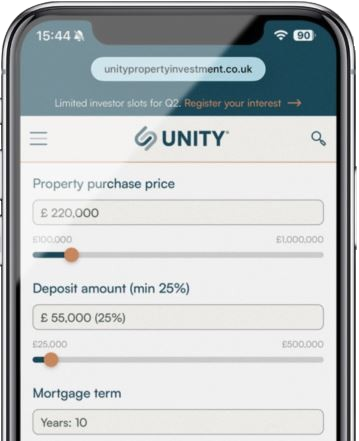
Buy to let investment and rental yield calculator
Non-Residential Stamp Duty Land Tax (SDLT) Rates (Freehold)
Property or lease premium or transfer value
SDLT rate
Case study
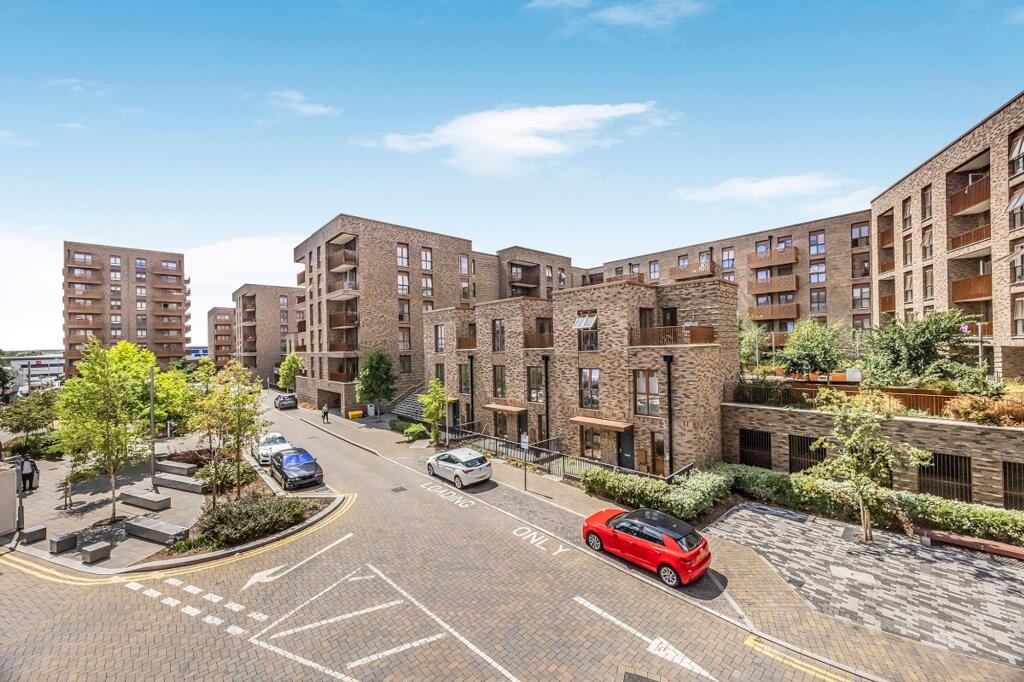
- Property Price:£300k
- Mkt Value at purchase:£320k
- Day one equity:£20,000
- Yield:6.8%
- ROCE:30.1%
.avif)