
.jpg)








Most residential property transactions in the UK involve an estate agent instructed by the seller to market the property and achieve the highest possible price. In this traditional arrangement, the buyer is largely left to search the market, assess property values, and negotiate the acquisition independently. A buying agent changes this arrangement by working on behalf of the buyer.
A buying agent is a property professional engaged by a purchaser to help search for, assess, negotiate, and potentially coordinate the acquisition of a property. While the concept is straightforward, the exact scope of services varies considerably. Providers often use alternative terminology, such as property finder, property search agent, buyer's agent, or property acquisition agent.
This guide explains how the property search and acquisition process works, typical costs, the advantages and disadvantages of using a representative, and the specific considerations for those buying an investment property.
Executive Summary
A property buying agent is engaged to represent the buyer's interests in a real estate transaction. This contrasts with an estate agent, who is instructed to act for the seller. The scope of a buying agent's service typically covers:
- Defining the buyer's brief and sourcing potential properties.
- Conducting physical viewings.
- Assessing market value using comparable evidence.
- Negotiating the purchase and helping coordinate the acquisition.
The decision to use a buying agent involves weighing the potential benefits, such as saving time and gaining detailed local market knowledge, against the fees charged. Where a buying agent's activities fall within the legal definition of estate agency work, relevant anti-money laundering supervision and property redress requirements can apply. For property investors, the search should be driven by the investment case, factoring in achievable rent, operating costs, and yield, rather than simply finding a suitable residential building.
What Is a Buying Agent?
A buying agent, often referred to as a property buying agent, is a professional representative hired to assist in the sourcing, assessment, and acquisition of real estate. The defining characteristic is that they are instructed by and work for the buyer rather than the seller.
The industry uses several terms to describe overlapping services, including property finder, property search agent, buyer's agent, and acquisition agent. The exact terminology and scope of service can vary between providers.
Where a business carries out activities defined as estate agency work such as introducing a buyer to a third party to secure the purchase of land, relevant anti-money laundering (AML) supervision and consumer redress requirements can apply. Consequently, regulatory obligations depend on the specific activities the business performs rather than simply the job title they use.
What Does a Property Buying Agent Do?
The scope of a buying agent's service varies depending on the provider, the client's needs, and the agreed fee structure. A full property acquisition service generally encompasses several stages.
Establishing the Buyer's Brief
The foundation of a property search is a clear brief. For a homebuyer, this typically includes budget, preferred locations, property type, size, commute times, proximity to schools, and lifestyle requirements.
For an investor, the criteria are financially driven. An investment brief should establish the capital available, target yield, cash-flow objectives, growth expectations, property type, refurbishment appetite, target tenant demographic, and the investment timeframe.
Searching for Properties
A buying agent systematically searches for opportunities. This extends beyond checking major property portals and includes leveraging relationships with local estate agents, developer networks, and occasionally auctions. A well-connected agent may also identify off-market opportunities, though their primary value usually lies in comprehensive market coverage.
Shortlisting Properties
A property finder should filter out unsuitable stock. Rather than merely forwarding every listing that matches a budget, the agent assesses properties against the brief, eliminating those in less suitable locations or with asking prices that are difficult to support with comparable evidence.
Arranging and Conducting Viewings
Many buying agents will physically inspect shortlisted properties for their clients. They assess the building's condition and the accuracy of the marketing materials. This service is particularly useful for overseas buyers, purchasers outside the local area, or time-poor investors.
Assessing the Property and Its Value
Before recommending an offer, a buying agent conducts an appraisal of the property. This involves looking at comparable transactions to see if the asking price is supported by recent market evidence. The agent evaluates the condition, refurbishment requirements, and local marketability.
For investment properties, the property finder must also assess the achievable rent, yield, expected cash flow, and tenant demand.
Negotiating the Purchase
A buyer's agent will plan an offer strategy based on comparable evidence, the buyer's position, chain status, and desired timing. They manage communications with the selling agent or vendor. While a professional can negotiate terms effectively, a buying agent cannot guarantee a discount.
Supporting the Acquisition
Following an accepted offer, a buying agent often assists in progressing the transaction. This involves coordinating with the buyer's solicitor, mortgage broker, surveyor, and the selling agent. While this coordination reduces the administrative burden, how long a buy-to-let purchase takes is still determined by the legal complexities and the speed of the third parties involved.
Buying Agent vs Estate Agent - What's the Difference?
The main distinction between a buying agent and an estate agent is simply who instructs them and who they represent.
Buying Agent vs Property Finder vs Property Search Agent
The terms buying agent, property finder, property search agent, and property acquisition agent are often used interchangeably to describe overlapping services.
For the consumer, the most important question is not the specific title, but rather:
- Who the business represents.
- What services are included.
- How the business is paid.
- Whether they receive third-party commissions.
- What happens after a property is found.
Buying Agent vs Property Investment Consultant
It is helpful to understand the difference between a property search and broader investment advice.
A buying agent is primarily focused on finding a property and helping the buyer acquire it. A property investment consultant may have a broader role covering the client's initial investment objectives, portfolio strategy, location research, financial appraisal, and ongoing portfolio planning.
Some firms perform both roles. The distinction is about the scope of the service rather than the job title. You can read more in our guide to property investment advice.
How Does the Property Buying Process Work With a Buying Agent?
While service models vary, a standard professional search and acquisition process usually involves the following sequence.
For a buy-to-let investor, the search should be driven by the investment case rather than the property's appearance alone.
Off-market does not automatically mean below market value, and a below-market-value property does not automatically mean a good investment.
How Much Do Buying Agents Charge in the UK?
Buying agent fees in the UK vary by property value, location, and service model. Providers typically use one or a combination of the following charging structures:
- Registration or Upfront Fee: A retainer paid at the start of the search.
- Fixed Search Fee: A set price for locating a property.
- Fixed Acquisition Fee: A set fee payable upon completion of a purchase.
- Percentage of Purchase Price: A fee calculated as a percentage of the final price paid.
- Percentage of Saving: A fee based on the difference between the asking price and the final negotiated price.
General consumer protection guidance from the Competition and Markets Authority (CMA) establishes the principle that mandatory charges must be presented transparently to consumers upfront.
When assessing fees, buyers should ask:
- When is the fee payable, and is any upfront element refundable?
- What happens if no suitable property is found?
- Is VAT included in the quoted fee?
- Does the agent receive any third-party commissions?
- Are physical viewings, negotiation, and post-offer support included?
Are Buying Agents Worth It?
Determining whether a buying agent is worth the cost depends on whether the value of the service exceeds the fee for that particular buyer.
Potential Benefits:
- Reduces the time spent searching portals and attending unsuitable viewings.
- Provides detailed local market knowledge.
- May provide access to established professional contacts such as solicitors and surveyors.
- Uses comparable evidence to support negotiation.
- Can be particularly useful for overseas buyers or those purchasing outside their local area.
Potential Disadvantages:
- Professional representation requires an additional fee.
- Conflicts of interest can arise if an agent accepts undisclosed developer commissions.
- There is no guarantee of finding a better property or negotiating a discount.
- The quality of agents varies.
- The buyer still requires independent legal and financial advice.
Do You Need a Buying Agent?
No. Most property buyers do not have to use a buying agent. Buyers with time, strong local knowledge, confidence in negotiating, and experience assessing property may prefer to buy independently.
Buying agents may be particularly useful for:
- Overseas buyers.
- Buyers purchasing outside their local area.
- Time-poor professionals.
- Investors searching across several regional markets.
- Buyers with very specific criteria.
- Investors wanting a more hands-off acquisition process.
How Do You Choose a Buying Agent?
Selecting a competent buying agent involves sensible due diligence. Buyers should ask the following questions:
Reviewing case studies of previous acquisitions can also provide insight into an agent's capability.
Red Flags When Choosing a Property Buying Agent
Investors and homebuyers should watch for practices that suggest poor service or conflicts of interest:
- Guaranteed discounts: No professional can guarantee a discount on every transaction.
- Guaranteed capital growth: Claims of guaranteed growth or unrealistic rental projections.
- Misleading off-market claims: Using the term to create false urgency.
- Undisclosed developer commissions: Recommending stock from one developer while claiming broad market coverage.
- Lack of comparable evidence: Refusing to provide transaction data to support a valuation.
- Discouraging independent advice: Pressuring the buyer against using their own solicitor.
- Unclear fees: Pressure to pay immediately without transparent fee structures.
- Regulatory non-compliance: Carrying out relevant estate agency activities without the required AML supervision or redress scheme membership.
What Is a Buy-to-Let Buying Agent?
For a buy-to-let investor, the search should be driven by the investment case rather than the property's appearance alone. An investment property finder, or buy-to-let buying agent, needs to do more than find a house matching physical requirements.
When searching for an asset to add to a portfolio or when a client is becoming a landlord for the first time, a buy-to-let property finder should consider the purchase price, market value, achievable rent, and local rental demand. They need to calculate the expected gross rental yield and factor in operating costs, finance, maintenance, and void assumptions to project the net buy-to-let cash flow.
They should also consider the underlying capital-growth drivers and the exit liquidity of the property.
Buying Agents for Homebuyers vs Property Investors
The criteria for choosing a property differ depending on the purchaser's goals.

Portfolio projection tool

What Should an Investment Property Finder Analyse?
A competent investment acquisition process should examine several metrics. For a broader overview of these considerations, see our buy-to-let investment guide. When assessing a potential buy-to-let investment, an investment property finder should consider:
- Purchase Price vs Market Value: Recent comparable transactions should be used to assess whether the agreed price is reasonable. A discount from an asking price is not meaningful if the asking price itself was unrealistic.
- Achievable Rent: Use genuinely comparable local rental evidence rather than optimistic best-case projections.
- Rental Yield: Calculate gross and net yields using realistic assumptions to benchmark against average UK rental yields.
- Cash Flow: Assess net performance by factoring in the ongoing costs of being a landlord and finance rates.
- Refurbishment Potential: Assess the required cost against realistic rental or value uplifts.
- Tenant Demand: Understand the local demographic and who will actually rent the property.
- Exit Liquidity: Consider the likely future buyer market and how readily the property may be resold.
Can Buying Agents Find Off-Market or Below-Market-Value Property?
Buying agents with strong networks may hear about properties before they are widely marketed or identify opportunities through direct relationships.
However, off-market does not automatically mean below market value, and a below-market-value property does not automatically mean a good investment. Any claimed discount should be tested against appropriate comparable transaction evidence.
How Unity Approaches Investment Property Acquisition
Unity's approach differs from a traditional home-buying search because the process begins with the investment objective rather than lifestyle requirements.
The process typically includes:
- Understanding the investor's objectives and available capital.
- Defining clear investment criteria.
- Researching suitable investment areas.
- Sourcing and shortlisting suitable investment opportunities (you can discover more about how we source properties).
- Checking the purchase price against comparable evidence.
- Assessing achievable rent and using tools like a buy-to-let calculator to model yield and cash flow.
- Considering refurbishment requirements where applicable.
- Supporting the acquisition process.
- Coordinating refurbishment if required.
- Handling ongoing property management.
Investors looking for a broader approach can also explore our services as property investment consultants.
Final Thoughts - Is a Buying Agent Right for You?
A buying agent can add value where their market knowledge, search capability, negotiation support, and time-saving benefit justify the fee. However, appointing a buying agent does not automatically result in a better property, a lower purchase price, or a successful investment. Experienced buyers may choose to search and acquire property themselves.
For investors, professional search capability creates value when it is combined with sound investment analysis. A good investment property search should be able to answer questions such as:
- Why this location?
- Why this property?
- Is the price supported by evidence?
- Is the rent realistic?
- What is the expected cash flow?
- What are the costs?
- What are the risks?
- What is the exit strategy?
Book a consultation to discuss how professional property acquisition and investment analysis can support your property goals.
Buying Agent vs Estate Agent Comparison
Consideration
Buying Agent
Estate Agent
.png)
-v1.avif)
Get investor insights and early access to opportunities
Join our investor briefings for structured insights, market updates, and priority access to new deals.

No spam, just timely insights for investors We respect your privacy and never sell your data
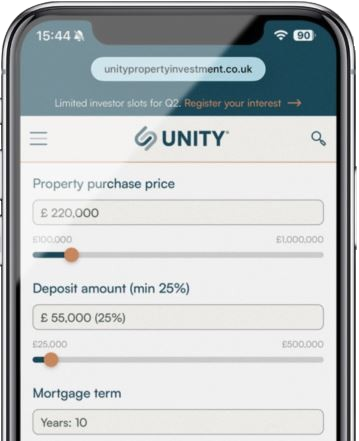
Buy to let investment and rental yield calculator
Key Takeaways on Property Buying Agents
Theme
Core Principle
The Property Buying Process
Phase
Description
Buying Agent Due Diligence Checklist
Area
Questions to Ask
Homebuyer vs Investment Buying Agent Comparison
Consideration
Homebuyer Buying Agent
Investment Buying Agent
Frequently Asked Questions
What is a buying agent?
What does a buying agent do?
Is a buying agent the same as an estate agent?
Is a property finder the same as a buying agent?
How much do buying agents charge in the UK?
Are buying agents worth it?
Do I need a buying agent?
Can a buying agent find off-market property?
Can a buying agent find buy-to-let properties?
What should I ask a buying agent before appointing them?
Case study
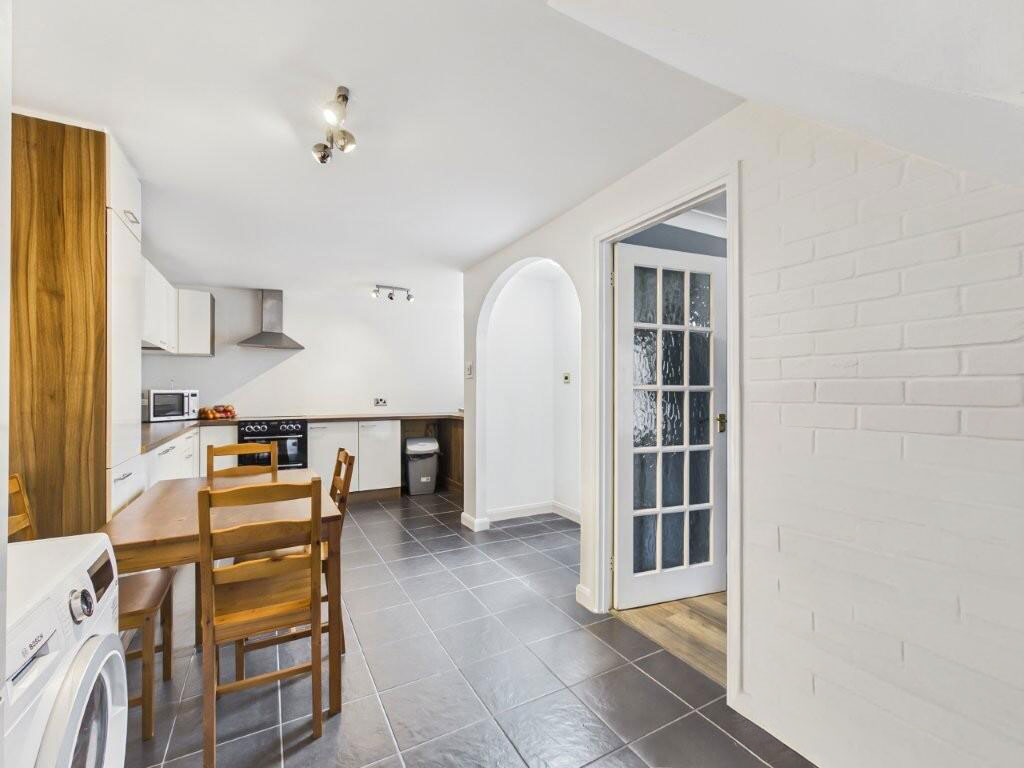
- Property Price:£275k
- Mkt Value at purchase:£290k
- Day one equity:£14,500
- Yield:7.2%
- ROCE:28.6%
.avif)