
.jpg)










Renovation Property for Sale: A Guide to Buying Property to Renovate
The search for a renovation property for sale is frequently driven by the objective of acquiring an asset where physical improvement can increase rental appeal, overall market value, or both. Properties requiring refurbishment present a distinct opportunity within the UK market, allowing investors to create value through calculated improvements rather than relying entirely on general market growth.
However, a fundamental investment principle must be established immediately: the renovation itself does not create the investment case. The numbers do. A cheap or run down house can still represent a poor investment relative to its completed value once refurbishment, finance, transaction costs, and unforeseen works are added together.
Experienced investors do not view renovation in isolation; they evaluate the entire investment picture. The total cost basis, comprising the purchase price, acquisition costs, refurbishment costs, and finance or holding costs, must be weighed against the realistic post refurbishment market value, achievable rent, and the resulting gross or net rental yield. This comprehensive investment framework distinguishes rigorous property analysis from generic advice on buying fixer uppers.
Executive Summary
Successfully investing in a renovation property requires moving beyond the simple appeal of a discounted purchase price and focusing instead on the holistic economics of the completed project. A run-down asset only represents a viable opportunity if the total capital required to acquire, hold, and improve it leaves a sufficient margin of safety against its realistic end value. By integrating the refurbishment strategy into the initial acquisition appraisal, investors can mitigate risks and actively force value creation.
Key Takeaways:
- The numbers dictate the opportunity: Value is created by accurately assessing the total cost basis (purchase price + acquisition costs + refurbishment + holding costs) against a realistic, evidence-based post-renovation value.
- Due diligence is non-negotiable: Thorough pre-purchase checks, including RICS Level 3 Building Surveys and asbestos assessments for older properties, are critical to avoiding catastrophic budget overruns.
- Specification depends on strategy: A property intended for the long-term rental market requires a durable, energy-efficient specification, whereas a resale strategy may justify higher-end cosmetic finishes to attract owner-occupiers.
- Financing requires careful planning: Uninhabitable properties often require cash or short-term bridging finance, and investors must navigate varying lender criteria, such as minimum ownership periods before refinancing onto a standard buy-to-let mortgage.
- Complexity increases risk: A larger renovation does not automatically equate to higher returns; execution risk, holding costs, and timeline delays can rapidly erode projected margins.
What Is a Renovation Property?
The residential property market uses terms such as "renovation property", "property to renovate", "fixer upper", "doer upper", and "run down property" almost interchangeably. In reality, these descriptions cover a vast spectrum of physical deterioration and structural wear. The scale of the work required materially alters the capital you need, the project timescale, and the underlying investment risk.
To properly assess risk and capital requirements, investors generally categorise properties to renovate into four distinct tiers, as outlined below:
Why Do Investors Buy Properties to Renovate?
The primary rationale for acquiring a property to renovate is the opportunity to capture the margin between the total cost basis and the enhanced value of the finished asset. However, the strategic drivers extend beyond simple profit.
Investors may target a run down property to acquire an asset at a discount relative to comparable refurbished homes in the same area. By upgrading the building, landlords can improve rental quality and tenant demand, thereby increasing the achievable rent and minimising costly void periods. This physical improvement can also create capital value, potentially allowing the investor to refinance against an improved valuation to release their initial capital for future purchases. Furthermore, substantial renovations allow investors to correct poor historical layouts, bringing a dated property into line with modern local demand.
Improving energy efficiency is another common driver. The UK Government has outlined proposals and targets to require private rental properties to achieve an Energy Performance Certificate (EPC) rating of C by October 2030, supported by proposed spending caps. Acquiring properties to renovate UK wide allows forward thinking investors to integrate thermal and heating upgrades into the initial project, helping to future proof the asset against impending regulatory changes.

Crucially, none of these outcomes are guaranteed. There is a distinct difference between buying something cheap and buying something where value can be economically created.
Where Can You Find Renovation Properties for Sale in the UK?
Identifying viable run down houses for sale and houses for renovation requires a systematic, multi channel approach. No single sourcing avenue automatically guarantees a bargain; value is identified through careful financial appraisal rather than the sourcing method alone.
Mainstream property portals remain a primary source for fixer upper houses for sale UK wide. While these platforms are highly competitive, publicly advertised houses to renovate can still represent attractive investment opportunities if they are poorly presented, difficult to finance, or simply incorrectly positioned by the marketing agent. Cultivating relationships with local estate agents is equally critical. Agents frequently require reliable cash buyers or investors using bridging finance for vendors who need a rapid, certain sale due to the property's deteriorated condition.
Property auctions are the traditional venue for sourcing a run down house or properties subject to probate, repossession, or complicated legal titles. However, the competitive bidding environment requires strict discipline to prevent emotion from overriding the financial fundamentals. Increasingly, experienced investors are turning to direct to vendor opportunities and off market channels to bypass retail competition. For a detailed understanding of this specific acquisition channel, investors should review the principles of sourcing off market property.
Discovering an opportunity is only the preliminary step. For a broader perspective on identifying genuine discounts based on fundamental metrics, explore how to find below market value property and view current investment properties for sale.
At Unity, we don't identify a property and then ask what we should do to it. The refurbishment strategy forms part of deciding whether the property should be bought in the first place.
A beautifully executed refurbishment cannot rescue an acquisition made at the wrong price or in the wrong demographic market.
How to Assess a Property to Renovate
A robust investment appraisal does not begin with the vendor's asking price. Instead, it works backwards from the completed asset, employing a rigorous financial framework to determine the maximum viable acquisition cost.
1. Understand the Local Market
Before committing capital, one must establish what comparable, fully refurbished properties are actually achieving in the immediate vicinity. It is vital to determine the specific tenant demographic the micro location supports, whether young professionals, families, or students, and tailor the end product accordingly.
2. Establish a Realistic Post Renovation Value
Estimating the completed market value requires objective evidence. RICS valuers rely on the comparative method, analysing recent HM Land Registry sales data of similar properties, while adjusting for square footage, condition, and precise location. Investors must avoid the temptation of simply assuming their renovated property will achieve the highest asking price ever recorded on the street.
3. Estimate Refurbishment Costs
A rough pound per square metre estimate is insufficient for investment appraisals. A detailed schedule of works is required, covering all material and labour costs, statutory fees, and a robust contingency fund.
4. Calculate the Total Investment
The financial appraisal must capture the entire cost base. This includes the purchase price, legal conveyancing costs, detailed survey fees, and the cost of the refurbishment itself.
Crucially, taxation and finance must be accurately modelled. Stamp Duty Land Tax (SDLT) heavily impacts the total cost basis. Under HMRC rules following the Autumn 2024 Budget, the higher rate surcharge for additional dwellings increased to 5% on top of standard residential rates, while the standard nil rate band reverted to £125,000 in April 2025. If using short term bridging finance, holding costs such as retained or rolled up interest must be factored in, alongside council tax, insurance, and standing utility charges while the property sits empty.
5. Assess the Completed Rental Economics
Once the total cost basis is established, it must be measured against the achievable market rent. Investors must look beyond the gross yield and calculate the net rental yield, assessing whether the operational cash flow comfortably covers any remaining debt and provides an acceptable return on the cash invested.
6. Stress Test the Project
Investors should stress test the appraisal to understand the downside risk. What happens if structural defects inflate the refurbishment budget by 15%? What if the project takes an additional three months, increasing holding and finance costs? What if the end value or achievable rent is lower than anticipated?
To conduct this level of analysis accurately, investors should utilise a comprehensive investment property appraisal framework and a dedicated buy to let calculator.
Example: Does Buying a Run Down House Actually Create Value?
To illustrate the necessity of careful appraisal, consider a simplified hypothetical example of a run down property for sale. (Note: This is for illustrative purposes to demonstrate margin of safety and does not represent national averages).
On paper, the initial projection creates a potential gross equity difference of £25,000. However, this is not the same as £25,000 of profit. Selling or refinancing costs, taxation where applicable, the investor's time, and the risk undertaken all affect the eventual return.
If the appraisal is inaccurate, as shown in the stress tested reality, the margin of safety shrinks to just £8,000. Once transaction and refinancing costs are deducted, this effectively wipes out the economic rationale for undertaking the project. This highlights why purchasing at the correct basis is the ultimate determinant of success.
What Should You Check Before Buying a House That Needs Renovation?
Mitigating the risk of budget overruns requires thorough pre purchase due diligence. A mortgage valuation is carried out for the lender's benefit and should not be treated as a substitute for appropriate due diligence into the property's condition. For older, heavily dilapidated, or complex properties, an RICS Level 3 Building Survey is highly recommended to provide an in depth analysis of the building fabric and highlight major defects such as subsidence, roof failure, penetrating damp, and timber decay.

For properties built before 2000, investors must also consider asbestos regulations. While a domestic property in normal occupation does not universally require an asbestos survey, the moment construction or refurbishment work begins, the site becomes a workplace subject to health and safety laws. Where intrusive refurbishment work is planned on an older property, the asbestos risk should be assessed before work begins, with an appropriate refurbishment survey undertaken where required.
Regulatory compliance represents another significant risk. Investors must ascertain the feasibility of elevating the property's energy efficiency to comply with incoming MEES proposals. Older solid wall properties may face severe physical limitations regarding cost effective fabric upgrades. Furthermore, investors must verify that no historical unauthorised works exist. If previous owners removed load bearing walls or completed extensions without building control sign off, local authorities hold enforcement powers. A lack of building regulations compliance can cause major issues when attempting to remortgage or sell.
Finally, title issues, boundaries, and leasehold restrictions must be scrutinised. Leasehold properties often contain restrictive covenants that expressly forbid structural alterations or require costly freeholder consent. For a deeper analysis of these tenure implications, review leasehold vs freehold buy to let and utilise a comprehensive property due diligence checklist.
How Much Does It Cost to Renovate an Investment Property?
Investors should be cautious about relying on generic nationwide headline figures for refurbishment budgets unless supported by reliable current evidence. Costs fluctuate drastically based on property size, geographical location, specification, the underlying structural condition of the asset, and local labour market constraints.
A detailed schedule of works is paramount, and investors must delineate between necessary works, rent enhancing works, and over improvement.
Tax considerations also matter. If a residential property has been entirely unoccupied for a continuous period of at least two years immediately before works commence, a reduced VAT rate of 5% may apply under HMRC guidelines to certain qualifying building services and materials, provided the builder is VAT registered and sufficient evidence of vacancy is obtained from the local authority. This can usefully reduce costs on a heavy refurbishment.
Renovating for Rental Value vs Renovating for Resale Value
The optimal refurbishment specification is dictated entirely by the chosen investment strategy.
For a long term rental property, the core priorities should be durability, maintainability, energy efficiency, and neutral appeal. Hardwearing floorings, easily replaceable fixtures, and highly efficient heating systems minimise future maintenance calls and ongoing capital expenditure. The specification must match local tenant expectations; installing bespoke, luxury fittings in a mid market rental property constitutes over capitalisation. The local rental market will not compensate the investor for that expenditure.

Conversely, for a resale strategy, the specification is heavily influenced by the expectations of owner occupiers and the finish quality of comparable properties. Buyers purchase emotionally and may pay a premium for high end aesthetics, integrated appliances, and superior curb appeal, factors that an RICS valuer will note when applying the comparative valuation method. Spending an additional £10,000 on high end finishes does not necessarily create £10,000 more value unless the local comparable evidence supports that ceiling price.

Portfolio projection tool

How Unity Approaches Investment Property Refurbishment
At Unity, we don't identify a property and then ask what we should do to it. The refurbishment strategy forms part of deciding whether the property should be bought in the first place.
Our process broadly follows a structured lifecycle:Source → Appraise → Scope → Acquire → Refurbish → Let → Manage → Hold / Exit.
By defining the investment objective before purchase, we understand the likely works before making the acquisition decision and build the refurbishment accurately into the financial appraisal.
This methodology ensures that a clear scope is established, costs are tightly controlled, and the property is refurbished appropriately for the target market. Ultimately, the completed property is assessed against the original investment thesis to ensure the value creation parameters have been met. To understand the granular detail of this methodology, read how we refurbish investment properties.
What Are the Biggest Risks When Buying Property to Renovate?
Acquiring properties to renovate carries inherent risks that extend well beyond the physical construction phase. A larger renovation project does not necessarily represent a larger investment opportunity; complexity can increase faster than potential returns.
Key risks include:
- Cost overruns and timeline delays: Underestimating the refurbishment cost or experiencing project delays directly inflates bridging finance interest and holding costs, rapidly eroding the margin of safety.
- Refinancing restrictions: Lender criteria vary regarding refinancing shortly after acquisition. According to UK Finance guidance, some lenders impose minimum ownership periods, often historically referred to as the six month rule, or require additional evidence of works undertaken before they will refinance a property based on its new market value. Investors should establish their refinancing route before purchasing.
- Finance structuring risks: When utilising short term bridging finance, understanding the difference between retained and rolled up interest is critical, as it significantly affects the net cash available to the borrower on day one.
- Valuation risk: Upon completion, a surveyor must confirm the new value via an RICS Red Book valuation. If the local market has cooled, or the surveyor deems the completed value unsupported by recent comparable evidence, a down valuation occurs, potentially trapping the investor's initial capital in the deal.

Should You Buy a Renovation Property as a Buy to Let?
Evaluating whether buying a property to renovate serves as a logical addition to a long term rental portfolio requires a balanced decision framework.
It generally makes sense where the acquisition basis is highly attractive, the refurbishment scope can be reasonably quantified with sufficient contingency, and there is robust evidence of strong post refurbishment rental demand. The potential return should justify the additional execution risk, while the investor needs enough available capital to absorb unexpected costs or delays. Crucially, there must be a credible exit strategy.
It may not make sense where the deal relies entirely on optimistic assumptions regarding end values, where the investor is financially stretched, or where the property is located in an area with weak rental demand. To model varying long term scenarios and gauge suitability, utilising our portfolio projection tool provides vital clarity. For broader considerations surrounding the eventual disposal or refinancing of the asset, see buy to let exit strategies.
Renovation Property vs Ready to Let Property
Neither approach is inherently superior; the optimal path depends entirely on asset pricing, investment objectives, available capital, and risk adjusted return requirements.
Finding the Right Renovation Property
Successful renovation investment begins with selection, not building work. A beautifully executed refurbishment cannot rescue an acquisition made at the wrong price or in the wrong demographic market.
The investor must, therefore, consider the location, the specific property, the acquisition basis, the refurbishment requirement, the financing structure, the rental demand, and the eventual exit as a single investment decision. By understanding how these elements work together, investors can move beyond simply searching for run down properties for sale and focus instead on whether refurbishment can create genuine investment value.
To understand how Unity sources and assesses investment opportunities against predefined criteria, explore how we sources properties and our core investment criteria.
Refurbishment Appraisal and Margin of Safety
Investment Metric
Initial Appraisal
Downside Scenario
.png)
-v1.avif)
Get investor insights and early access to opportunities
Join our investor briefings for structured insights, market updates, and priority access to new deals.

No spam, just timely insights for investors We respect your privacy and never sell your data
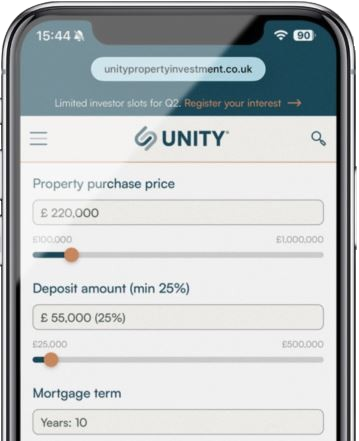
Buy to let investment and rental yield calculator
Categories of Renovation Property
Category
Description of Works
Capital Requirement
Execution Risk
Renovation Property vs Ready to Let Property
Factor
Renovation Property
Ready to Let Property
Frequently Asked Questions
Is buying a house to renovate a good investment?
How do I find renovation properties for sale in the UK?
Is it cheaper to buy a run down house?
Can I get a mortgage on a property that needs renovation?
How much contingency should I allow when renovating a property?
Does renovating a house always increase its value?
What should I check before buying a fixer upper?
Can you buy a property, renovate it and refinance it?
Case study
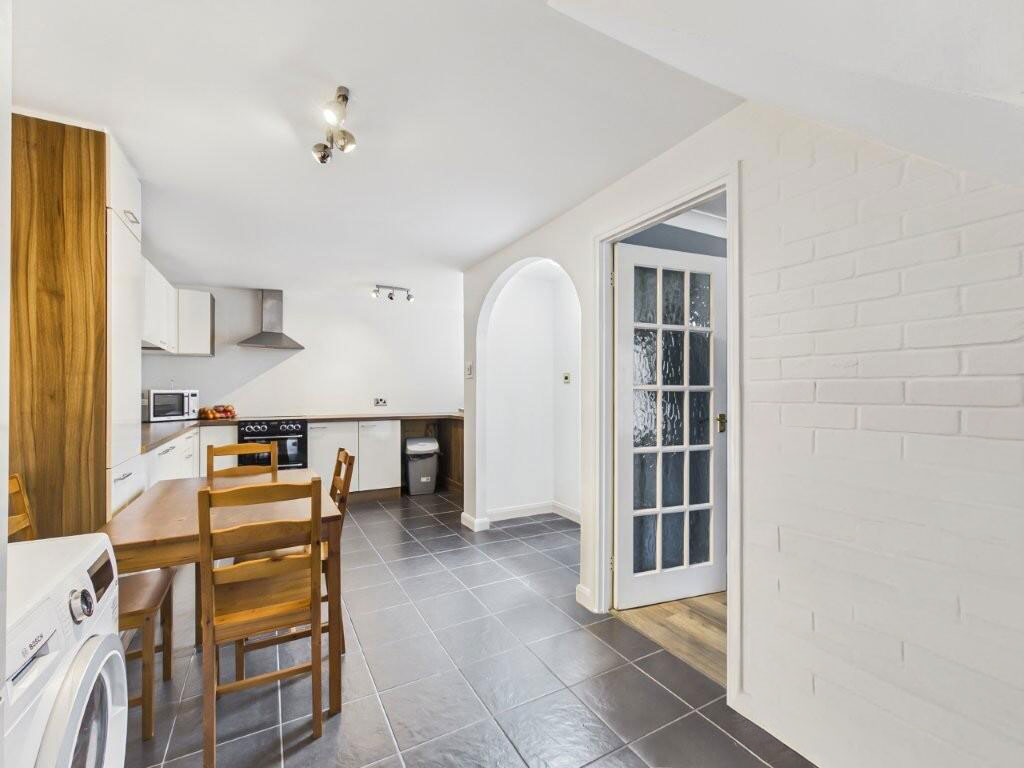
- Property Price:£275k
- Mkt Value at purchase:£290k
- Day one equity:£14,500
- Yield:7.2%
- ROCE:28.6%
.avif)