
.jpg)









When speaking with prospective landlords, the conversation usually starts with a simple question: "I have some capital to invest. Should I buy a standard buy-to-let, an HMO, or look at serviced accommodation?"
It is a great question, but the truth is there is no universally best property investment strategy. The right approach depends entirely on what you want to achieve. Are you looking to replace your monthly salary, or are you trying to build a long-term retirement fund? How much time do you actually have to manage tenants and deal with maintenance? Finding the best property investment comes down to matching the asset to your personal circumstances.
Different strategies suit different investors. A model designed to maximise your monthly cash flow will naturally demand much more of your time than a strategy built for passive, long-term capital growth.
In this guide, we compare the four different ways to invest in property in the UK: standard Buy-to-Let, Houses in Multiple Occupation (HMOs), Serviced Accommodation, and the buy refurbish refinance strategy (BRR). We will break down the real-world trade-offs between returns, risk, and the actual day-to-day work involved, helping you decide which property investment options best fit your goals.
Executive Summary
Choosing the right property investment strategy in the UK requires balancing your available capital, desired income, and appetite for daily management. While the market offers multiple avenues to generate returns, there is no one-size-fits-all approach. This guide evaluates the four core investment models - Buy-to-Let, HMOs, Serviced Accommodation, and the Buy Refurbish Refinance (BRR) strategy, to help you align your portfolio with your long-term financial objectives.
Key Takeaways
- Standard Buy-to-Let: The most reliable, low-risk route for long-term wealth preservation, offering stable returns and easy access to mortgage finance with minimal daily management.
- HMO Investment: Generates significantly higher monthly cash flow but operates more like a highly regulated housing business, demanding strict compliance and intensive tenant management.
- Serviced Accommodation: Offers exceptional gross yields during peak seasons but carries severe occupancy risk, high operational costs, and increasing planning restrictions.
- Buy Refurbish Refinance (BRR): An active strategy for experienced investors to rapidly build equity and recycle capital, though it comes with heavy construction and valuation risks.
- Operational Reality: The most profitable long-term strategy is rarely the one with the highest headline yield; it is the one you can sustainably manage alongside your lifestyle and existing commitments.
What Are Property Investment Strategies?
A property investment strategy is simply your game plan. It dictates what type of property you buy, how you finance it, who you rent it to, and how involved you need to be on a daily basis.
When investors look at the different types of property investment, they are usually trying to balance three things:
1. Income (Yield): The monthly cash flow generated after paying your mortgage and running costs.
2. Capital Growth: How much the property increases in value over the next ten to twenty years.
3. Operational Involvement: How much time and effort it takes to run the investment.
Strategies engineered for high cash flow, like renting out individual rooms, require hands-on management and deal with plenty of regulation. Strategies designed for long-term wealth preservation tend to provide a lower monthly income but demand very little of your time.
If you are just starting out, we highly recommend reading our guide on property investment for beginners. Taking the time to understand how to start property investment correctly will ensure you choose a method that matches your budget and lifestyle.
Buy-to-Let Investment
The traditional buy to let strategy is the most common way to invest in UK real estate. It involves buying a standard house or flat and renting it out to a single household, such as a family or a professional couple.
Capital Required and Finance
Buy-to-let generally requires less capital than HMOs or the BRR strategy because the property usually doesn't need extensive structural refurbishment or specialist licensing. However, you still need a reasonable cash lump sum.
You will typically need a minimum 25% deposit, alongside funds to cover legal fees and the 5% Stamp Duty Land Tax (SDLT) surcharge applied to additional residential properties, as outlined by GOV.UK.
The huge advantage of standard buy-to-let is mortgage availability. The UK Finance market offers thousands of competitive buy-to-let mortgage products. Standard houses and flats are generally viewed as lower-risk security by mortgage lenders because they appeal to a broad range of buyers. If things go wrong, the property can easily be sold to another investor or a normal homebuyer. Just bear in mind that lenders will not let you live in the property yourself—a firm "no" to anyone wondering can you live in a buy-to-let property.

Returns and Management
Standard buy-to-let properties offer stable, predictable returns. While gross yields typically sit between 5% and 8% depending on the region, the income is usually highly reliable.
Crucially, this is the most hands-off strategy available. Families and professional couples tend to stay in properties for years, meaning you suffer fewer void periods and lower tenant turnover costs. When paired with a good local letting agent, you can treat the property as a largely passive investment. It is still important to understand the true costs of being a landlord, but the day-to-day operational workload is minimal.
Practical Example: £250,000 Commuter Belt Buy-to-Let
- Rental Income: £1,250 - £1,450 per month
- Typical Gross Yield: 6% - 7%
- Management: Low. A single household pays all their own utility bills and council tax. The letting agent handles the occasional maintenance issue.
Who it suits
For many first-time investors, buy to let investing provides the most straightforward route into property investing. Before exploring more complex property investment models, we suggest reading our complete buy-to-let investment guide to understand exactly what is involved in becoming a landlord in the UK.
Who is this best suited for?
★★★★★ Passive investing
★★★★☆ Long-term growth
★★★☆☆ Cash flow
★★★★★ Scalability
HMO Investment
An HMO (House in Multiple Occupation) involves buying a larger property and renting it out on a per-room basis to three or more unrelated individuals who share a kitchen and bathroom. It is widely known for generating excellent monthly cash flow.
Is an HMO worth it?
The buy to let vs hmo debate is entirely focused on balancing income against workload. On paper, an HMO looks like a far superior investment. Because you are charging rent per room, the total income is often double that of a standard family let.
However, HMOs are heavily regulated. You will almost certainly require a mandatory or additional licence from your local council under GOV.UK regulations, and you must install commercial-grade fire alarm systems and fire doors. In many areas, councils use "Article 4 directions" through the planning portal, meaning you must apply for full planning permission just to convert a standard house into an HMO.
More importantly, the daily management is intense. You are dealing with multiple unrelated adults living under one roof, which inevitably leads to higher tenant turnover, more wear and tear, and frequent tenant disputes. Unlike a standard buy-to-let, the landlord is usually responsible for paying all the communal utility bills, council tax, and broadband.

While the gross yields (often 8.5% to 12%+) are fantastic, professional investors know that an hmo property investment is essentially a micro hospitality business, not a passive asset.
Practical Example: £250,000 HMO (Plus £40k Conversion Costs)
- Rental Income: £2,400 - £3,000 per month (5 rooms)
- Typical Gross Yield: 10% - 12%
- Management: Very High. The landlord pays for gas, electricity, and broadband. Tenant turnover is frequent, and the property requires regular compliance checks and cleaning of communal areas.
Who it suits
HMO investing is perfect for investors looking to maximise their monthly income and replace their salary, provided they have the time, patience, and professional management team to handle the daily workload.
Who is this best suited for?
★☆☆☆☆ Passive investing
★★★☆☆ Long-term growth
★★★★★ Cash flow
★★★☆☆ Scalability
Successful property investing isn't about chasing the highest possible yield. It's about choosing a strategy that matches your objectives, available time and appetite for active management.
Higher yields are attractive, but many investors underestimate the operational demands of running an HMO. In our experience, once multiple tenants, licensing, maintenance and compliance are factored in, it becomes a very different investment proposition from owning a standard buy-to-let.
Serviced Accommodation Investment
Serviced accommodation (SA) involves furnishing a property to a high standard and letting it out for short-term stays, usually via platforms like Airbnb or Booking.com. It caters to tourists, weekend visitors, and corporate contractors.
The Operational Reality
Whether you are looking at the hmo vs serviced accommodation debate, or making a serviced accommodation vs buy to let comparison, the decision comes down to how much time you want to spend working on your portfolio. Serviced accommodation has the potential to generate exceptional revenue, far exceeding standard rent.
However, SA is an active hospitality business. It requires dynamic daily pricing, responding to guest messages at all hours, managing cleaning teams, and replacing broken items rapidly before the next guest checks in.
Over the last few years, we've seen margins compress significantly. The rise of "Rent-to-Rent" operators has dramatically increased competition. Success depends much more on local, year-round demand than people realise. A property on the coast might generate incredible numbers in August, but it could sit entirely empty and lose money throughout January.
Furthermore, regulation is tightening. The government is introducing a mandatory national registration scheme for short-term lets in England, and local councils are increasingly using the planning system (such as the proposed C5 use class) to restrict the number of holiday lets in popular areas. When looking at serviced accomodation investment, you must treat it as a business venture rather than a hands-off property asset.

Practical Example: £250,000 City Centre Serviced Apartment
- Revenue: £2,500 - £4,000 per month (Highly seasonal)
- Typical Gross Yield: 12% - 18% (Before heavy operating costs)
- Management: Extreme. Requires constant guest communication, laundry, cleaning between every stay, platform fees (often 15%), and dynamic pricing management.
Who it suits
This strategy suits active entrepreneurs and investors who want to run a hospitality business. It is not recommended for busy professionals seeking a passive place to park their capital.
Who is this best suited for?
★☆☆☆☆ Passive investing
★★★☆☆ Long-term growth
★★★★★ Cash flow
★★☆☆☆ Scalability
Buy Refurbish Refinance (BRR)
The BRR strategy, short for buy refurb refinance, is a method used by experienced investors to quickly grow a portfolio without running out of cash.
The goal is to buy a rundown property, renovate it to force its value up, and then remortgage it at the new, higher value. If done correctly, the refinance allows you to pull most (or all) of your original cash back out, which you can then use to buy the next property.
The Mechanics and the Risks
To make the BRR property strategy work, the profit must be secured when you buy. Investors actively look for below market value property, targeting unmodernised homes or landlords looking to sell up quickly.
However, BRR is not without risk.
- Build Costs: Renovations frequently uncover hidden problems. If your build costs spiral, your profit margin disappears. Knowing how to avoid expensive property investment mistakes during a renovation is vital.
- The 6-Month Rule: Most mainstream mortgage lenders, following guidance from UK Finance will not let you refinance a property until you have owned it and been listed on the Land Registry for at least six months. This means your capital is trapped in the project for half a year.
- Expensive Finance: If a BRR property is uninhabitable (e.g., it lacks a working kitchen), you cannot get a normal mortgage. You must use cash or expensive bridging finance to fund the purchase and the build.
- Valuation Risk: The entire model relies on a surveyor agreeing with your new valuation once the work is done. If they "down-value" the property, your cash remains locked in the deal.

Who it suits
The buy refurbish refinance model is fantastic for experienced investors, developers, or those with direct connections to reliable tradespeople. It allows for rapid wealth creation but carries the highest execution risk of all the strategies.
Who is this best suited for?
★★☆☆☆ Passive investing (during the build)
★★★★★ Long-term equity growth
★★★☆☆ Cash flow
★★★★★ Scalability (if executed perfectly)
Property Investment Strategies Compared
To help you decide which route aligns with your budget and goals, the table below provides a practical comparison of the four main property investment methods.
How to Choose the Best Property Investment Strategy
Determining the most appropriate proeprty investment types requires a realistic assessment of your own circumstances.
Choosing Your Strategy: A Quick Decision Framework
- Are you a passive investor seeking long-term growth?↓ Buy-to-Let
- Do you need maximum monthly income and have time to manage tenants?↓ HMO
- Do you want to actively run a highly seasonal hospitality business?↓ Serviced Accommodation
- Are you an experienced renovator looking to recycle capital?↓ BRR
Tailoring Your Approach
- First-Time Investors and Busy Professionals: For many, buy-to-let provides the most straightforward route into property investing. It offers a forgiving learning curve, easy access to finance, and minimal daily disruption. If your primary goal is to protect your capital from inflation and build long-term wealth alongside your career, buy-to-let is the safest and most reliable route.
- Investors Seeking Maximum Cash Flow: If you want property to replace your salary, look at HMOs or Serviced Accommodation. Just be prepared to view yourself as a business operator rather than a passive investor. You will need to build systems, manage high tenant turnover, and navigate stricter regulations.
- Experienced Investors Wanting to Scale: If you have construction experience, a great team of builders, and a solid cash buffer, the BRR strategy is an incredibly powerful way to compound your wealth and build a large portfolio quickly.
FAQ Section
What is the best property investment strategy?
There is no single "best" property investment strategy. It depends on your goals. Buy-to-let is best for low-risk, passive, long-term wealth. HMOs and Serviced Accommodation are better for investors wanting high monthly cash flow and who are willing to do the daily management. BRR is best for experienced investors looking to rapidly scale a portfolio.
Is buy-to-let still worth it?
Yes. Despite changes to taxes and interest rates, standard buy-to-let remains an excellent long-term investment. Tenant demand across the UK is exceptionally strong, which is driving consistent rental growth. If you buy in the right regional locations, it is still a highly reliable way to generate income and capital appreciation.
Are HMOs more profitable than buy-to-let?
On paper, yes. An HMO will generate significantly more gross rent than a standard house. However, HMO landlords have much higher costs. You must pay for communal gas, electricity, broadband, council tax, and licensing fees. Once you factor in these costs and higher management fees, the actual net profit gap between an HMO and a standard buy-to-let is much smaller than the headline yield suggests.
Is serviced accommodation more profitable than buy-to-let?
Serviced accommodation can generate much higher revenue during peak seasons. However, profitability depends entirely on your occupancy rate. High cleaning costs, platform commissions (like Airbnb fees), and winter void periods can quickly eat into your profits. It is a high-risk hospitality business, whereas buy-to-let is a stable property investment.
What is the BRR strategy?
BRR stands for Buy, Refurbish, Refinance. It is a strategy where an investor buys a rundown property, renovates it to increase its value, and then takes out a new mortgage based on the new, higher value. This allows the investor to pull their original cash back out of the property to use on their next project.
Which property investment strategy requires the least capital?
Standard buy-to-let usually requires the lowest initial cash investment. While you still need a 25% deposit and funds for stamp duty, you avoid the heavy costs associated with HMO fire safety conversions, high-end serviced accommodation furniture, or the expensive bridging finance required for a BRR project.
Which property investment strategy is the lowest risk?
Standard buy-to-let is widely considered the lowest risk strategy. Single households tend to stay in properties longer, meaning fewer void periods. Furthermore, if you ever need to sell the property quickly, a standard family home appeals to normal homebuyers as well as other investors, making it very easy to sell.
Which strategy offers the highest rental yield?
Serviced Accommodation and HMOs offer the highest headline rental yields, often exceeding 10% to 15%. However, investors must remember that this is gross yield. The daily management, utility bills, and regulatory compliance required to run these properties heavily reduce the actual money that ends up in your pocket.
Can beginners invest in HMOs?
Beginners can invest in HMOs, but it is generally discouraged unless you are working closely with an experienced mentor or a specialist HMO management agency. The rules surrounding HMO licensing, fire safety, and planning permissions are complex and strict, and mistakes can result in heavy local authority fines.
Which strategy is easiest to finance?
Standard buy-to-let is the easiest strategy to finance. The UK mortgage market is full of competitive buy-to-let products because lenders view single-household properties as safe, liquid assets. In contrast, HMOs and Serviced Accommodation require specialist commercial mortgages that usually come with higher interest rates and stricter lending criteria.

Portfolio projection tool

Conclusion
The best property investment strategy isn't necessarily the one with the highest projected return. It's the one that aligns with your financial goals, available capital and the level of operational involvement you're prepared to commit to over the long term.
Standard Buy-to-Let remains the most reliable, low-friction way to protect your capital and build long-term equity. HMOs and Serviced Accommodation act as powerful cash flow generators, but you must be prepared to treat them as active, daily businesses with strict regulatory hurdles. The BRR strategy is excellent for scaling quickly, but it requires experience to manage the construction and valuation risks.
Ultimately, astute investors look beyond the headline yields. By understanding the true costs, the operational workload, and the real-world management required, you can choose a property investment strategy that sustainably delivers on your financial goals.
-v1.avif)
Get investor insights and early access to opportunities
Join our investor briefings for structured insights, market updates, and priority access to new deals.

No spam, just timely insights for investors We respect your privacy and never sell your data
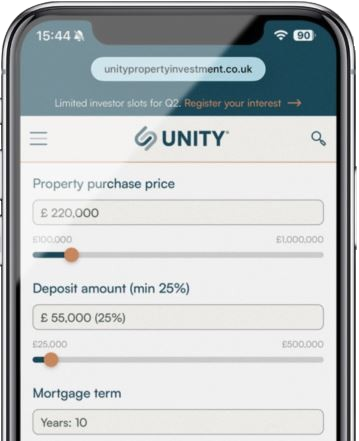
Buy to let investment and rental yield calculator
.png)
Property Investment Strategies Comparison Matrix
Feature
Standard Buy-to-Let
HMO Investment
Serviced Accommodation
BRR Strategy
Many investors naturally focus on projected rental yields, but the best long term strategy is usually the one you can operate consistently over many years. Higher returns often come with higher operational complexity.
Case study
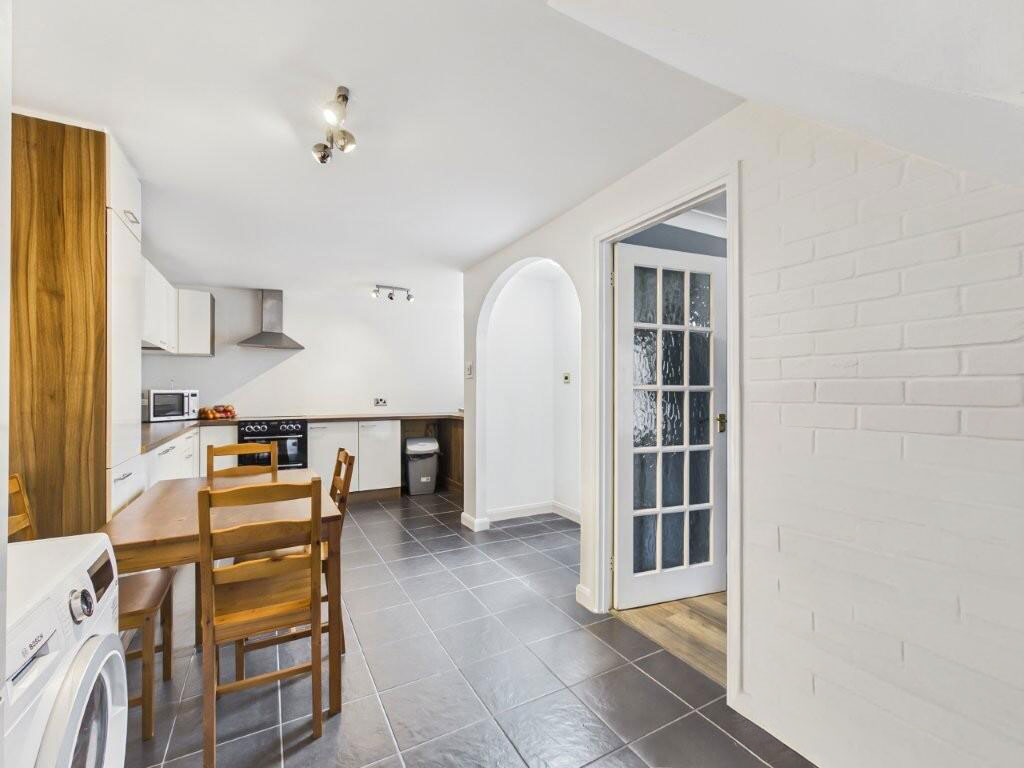
- Property Price:£275k
- Mkt Value at purchase:£290k
- Day one equity:£14,500
- Yield:7.2%
- ROCE:28.6%
.avif)