.jpg)








The UK private rented sector has become incredibly complex. It demands a highly structured, data-driven approach to both buying property and managing it long-term. Investors routinely dedicate months to rigorous market research, number crunching, and conducting exhaustive due diligence when assessing investment opportunities before buying a property. Intensive financial models are built to analyse gross yields, capital growth forecasts, and regional infrastructure plans.
But a common trap often catches investors out right after contracts are exchanged and the purchase completes: the careful attention to detail applied during the buying phase simply disappears, replaced by a basic, reactive approach to day-to-day property management.
This drop in focus is where many investors lose money. Long-term performance is rarely determined solely by how well a property is purchased; rather, your actual returns depend heavily on robust investment property management throughout its lifecycle. Buying a property below market value or investing in a high-growth regeneration zone gives you a great head start, but long void periods, inefficient maintenance spending, and missed compliance updates will quickly eat away at those on-paper margins.
Executive Summary
To prevent this drop in focus and ensure your capital works at maximum efficiency, Unity provides a fully managed, hands-off service designed specifically for investors, rather than just tenants. Our property management philosophy is built on three core pillars to ensure your portfolio performs exactly as projected:
- Protect the Asset: We build a defensive shield around your investment. This means proactively handling all safety certifications, keeping you completely compliant with changing legislation like the new Renters' Rights Act, and integrating robust rent guarantee insurance to secure your cash flow against unexpected arrears.
- Improve Performance: We treat your property as a dynamic financial instrument. Rather than just collecting the rent, we actively drive long-term value through data-driven rent reviews, strategic energy efficiency (EPC) upgrades, and continuous performance tracking to maximise your Return on Capital Employed (ROCE).
- Simplify Ownership: We remove the day-to-day friction of being a landlord. By coordinating vetted contractors, handling all tenant communication, and providing a completely transparent fee structure with no hidden mark-ups, we allow you to build a scalable portfolio without it taking over your life.
What Investors Actually Want
Most investors don't buy property because they want another job.
They don't want to chase tenants for rent, coordinate contractors, keep track of compliance certificates, or worry about changing legislation. They want their investment working quietly in the background while they focus on their careers, businesses, and families.
Effective property asset management exists to make that possible.
At Unity, our property investment management role doesn't end when a property completes. We believe long-term performance comes from protecting the asset, improving its returns over time, and removing as much day-to-day hassle as possible for investors.
Property Management vs Asset Management
The real estate industry often mixes up "property management" and "asset management," but the two jobs are completely different. Understanding this distinction is vital for investors moving from holding a single buy-to-let to needing robust real estate asset management for a proper residential portfolio.
Property management is a ground-level, operational job. Property managers are the day-to-day operators of an investment. They track monthly rent, handle minor late payments, send out contractors for immediate repairs, and act as the main point of contact for the tenant. The goal of property management is practical and short-term: keeping the property running smoothly from month to month within a set budget.
Asset management, on the other hand, focuses on financial strategy. Asset managers take a step back, treating the physical building as a financial asset rather than just bricks and mortar. Where a property manager focuses almost entirely on the income statement, ensuring rent is collected and bills are paid, an asset manager is equally focused on the balance sheet. They analyse how the property's equity position interacts with current market conditions, constantly evaluating whether the money tied up in the asset is working as hard as it should be.
The main idea behind professional portfolio asset management is simple: collecting rent is property management. Improving long-term returns is asset management.
Professional institutions, guided by RICS real estate standards, integrate both sides to create a complete operational strategy. Ground-level data gathered by the property management side is fed directly into the asset management plan. By bringing these two functions together, a comprehensive management model ensures that the everyday tasks of dealing with tenants never hide the bigger financial picture of your portfolio.
Collecting rent is property management. Improving long-term returns is asset management.
The goal isn't simply to own property. The goal is to own property without it taking over your life.
Protecting The Asset
For investors putting significant capital into the UK residential market, the main goal after completion is protecting that money through expert residential asset management. A residential property is exposed to unique physical, legal, and tenant-related risks. Professional management creates a solid barrier between these everyday risks and your wider wealth.
Dealing with Legislation
The regulatory environment is changing rapidly, which is one of the biggest reasons investors choose professional management.
The legal obligations placed on private residential landlords by the UK Government are huge. The basic legal requirements include securing an Energy Performance Certificate (EPC), registering the tenant's deposit within a government-approved scheme, and carrying out strict Right to Rent checks alongside valid Gas Safety and Electrical Installation Condition Reports (EICR). Missing any of these foundational requirements exposes the owner to severe financial penalties.
Furthermore, with the introduction of the Renters' Rights Act 2026, the shift to assured periodic tenancies and the end of Section 21 "no-fault" evictions means that handling tenant changeovers requires a deep understanding of the law. A professional management setup takes on this burden entirely, processing tenant requests legally and keeping all property operations safely within the bounds of the new rules. Investors don't need to become legal experts; they simply need the peace of mind that compliance is handled, regulations are watched closely, and risk is minimised.

Minimising Void Periods and Financial Risk
An empty property is a distressed asset. Void periods don't just stop your income; they actively drain your capital through ongoing mortgage payments and utility bills. Professional asset management drastically cuts down void times through aggressive, early marketing strategies the moment a tenant hands in their notice.
Furthermore, building institutional reducing landlord risk directly into the property management setup acts as a definitive safety net. If a tenant defaults, comprehensive rent protection policies maintain your monthly cash flow and cover the legal expenses associated with formal repossession. By default, a structured asset management approach builds in these essential protections, ensuring your projected yields are insulated against worst-case scenarios.
Making Property Investment Truly Passive
Smart investing is all about separating your time from your financial returns. Utilising professional property asset management services is the layer of support that makes the investment genuinely passive.
The time-saving benefits of handing over the reins show up in a few key areas:
- Contractor Coordination and Maintenance Management: An established asset manager uses a pre-vetted, closely monitored network of tradespeople. When maintenance is required, the manager figures out the problem, sends the right contractor, oversees the work, and ensures the final invoice matches fair market rates.
- Tenant Communication and Problem Resolution: The emotional and administrative headache of dealing with late payments, neighbour disputes, or minor domestic complaints is entirely absorbed by the management team. The property manager acts as the strict enforcer of the lease agreement.
- Rent Collection and Financial Administration: Automated systems constantly monitor incoming rental payments, instantly flagging delays and triggering legally compliant escalation procedures when necessary.
A Note on Tax Efficiency: Professional management fees are generally an allowable expense for tax purposes, making outsourced management significantly more cost-effective than many investors realise. For higher-rate taxpayers or investors operating through Special Purpose Vehicles (SPVs), the net cost of comprehensive management drops significantly when correctly factored into post-tax cash flow.
Creating Additional Value
A basic management service just keeps things ticking over. Great asset management actively builds financial value over the years. We look for opportunities to improve performance.
Handling Rent Reviews and Income Optimisation
Maximising rental income requires a careful balance between pushing for immediate cash flow and keeping long-term tenants happy to avoid expensive void periods. Under current legislation, rent can only be increased once every 12 months using a formal statutory process. An expert property asset manager constantly checks hyper-local market comparables to run data-driven rent reviews that truly match market values. This ensures your income scales properly with inflation, while avoiding the tribunal challenges and tenant move-outs that inevitably happen with aggressive, unjustified rent hikes.
Strategic Upgrades and The EPC Challenge
Perhaps the biggest value-creation opportunity facing UK property investors right now centres on energy efficiency. The UK Government requires privately rented domestic properties to achieve an Energy Performance Certificate (EPC) rating of C or above by 1 October 2030.
An everyday property manager views this legislation simply as a compliance hurdle. A strategic asset manager sees it as a structured opportunity to add value. Upgrading insulation, installing smart heating controls, and modernising the property ahead of the deadline doesn't just wipe out future legislative risk; it fundamentally improves the asset. The property becomes instantly more attractive to high-quality tenants, commands a premium rent, and benefits from a higher valuation.
Maximising Return on Capital Employed (ROCE)
Expert asset management shifts your focus away from vanity metrics like headline gross yield, focusing relentlessly on Return on Capital Employed (ROCE) which measures the exact efficiency of the actual cash you've put in. By using strategic refurbishments to force appreciation, keeping a tight grip on maintenance costs to preserve net cash flow, and leveraging appropriate debt, asset management ensures that every pound you have in the property is working as hard as possible.
Monitoring Performance
Tracking performance is what turns spreadsheet projections into real returns in your bank account. An asset left entirely to its own devices will often drift from its initial underwriting models.
Structured monitoring relies on solid data tracking to give investors total transparency over their portfolio's health. Key performance indicators tracked through institutional-grade management include exact occupancy rates, income stability ratios, and local capital growth trends.
Tracking these specific numbers allows the asset manager to spot structural issues early. If a property begins seeing extended void periods while the rest of the region is stable, the manager immediately knows it's time to step in and fix the strategy. By using comprehensive portfolio reporting, you never have to guess the status of your wealth. The financial story of the asset is quantified, documented, and actively managed toward continuous improvement.

Supporting Long-Term Portfolio Growth
For the ambitious investor, buying a single property is rarely the end goal. It is usually just the first step toward building a scalable portfolio growth strategy. Effective asset management is the key ingredient that helps investors transition from owning one isolated property to running a complex, multi-property strategy.
When a bank or institutional lender conducts a valuation for a cash-out refinance or a portfolio mortgage, they look closely at two main things: the physical standard of the property and the strength and consistency of the rental yield.
A poorly managed property will almost always suffer a lower valuation. Conversely, a well-managed asset looks to a lender like a high-quality financial asset. When an asset manager ensures that the building is in great condition, the rental income is demonstrably optimised, and the tenant profile is perfectly documented, the valuation hits its peak. Asset management is the financial engine that creates the cash required for future purchases, ensuring that your portfolio remains perpetually "refinance ready."


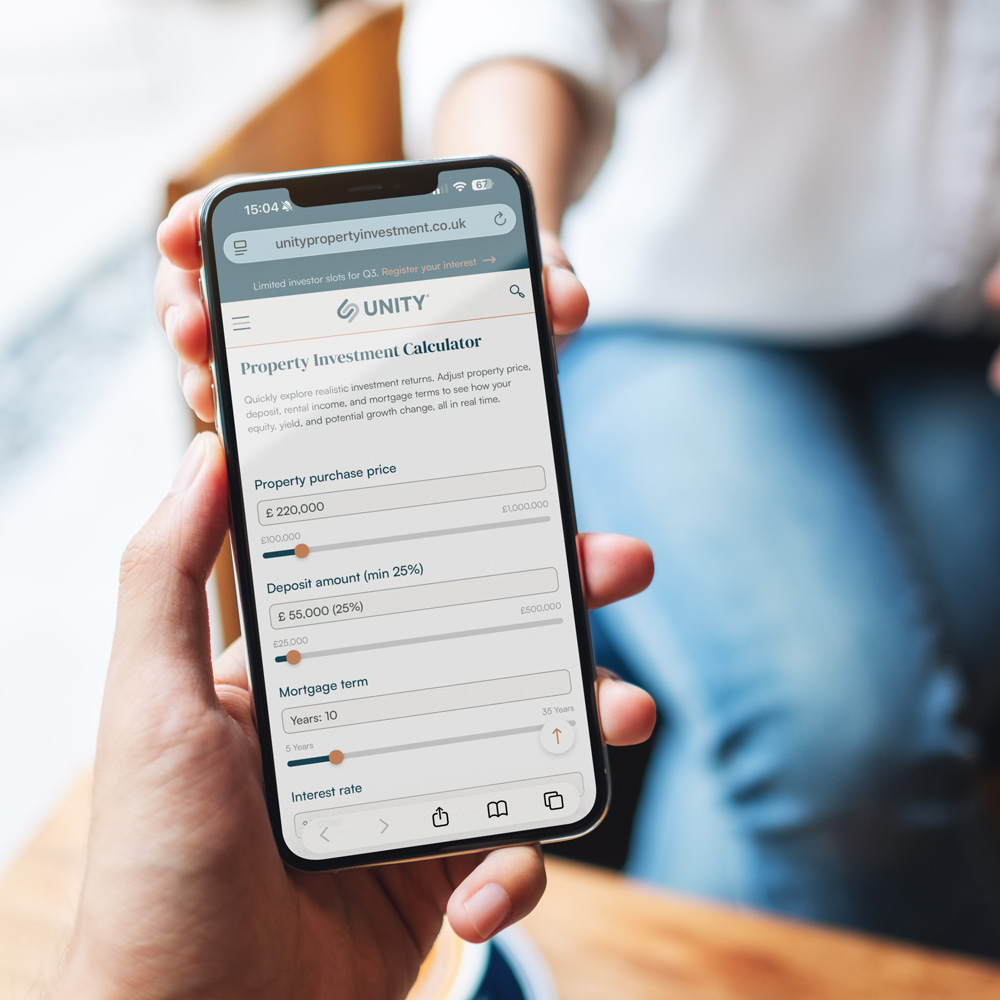
Portfolio projection tool

What This Looks Like In Practice
Imagine an investor buys a property through Unity.
Before the tenant even moves in, all compliance certificates are sorted, rent guarantee insurance is put in place, and the property is carefully inspected.
During ownership, structured rent reviews happen in the background to ensure the yield keeps pace with the market. When a maintenance issue pops up, like a boiler fault on a winter weekend, it is diagnosed and coordinated through trusted, pre-vetted contractors without the investor ever having to pick up the phone or reply to a text. Performance is continuously tracked against the original investment assumptions made during the due diligence phase.
If a chance comes up to increase rental income, improve the EPC rating, or carry out a value-adding refurbishment to boost the property's capital value ahead of a refinance, this is fully assessed and presented to the investor as a clear business case.
Rather than just reacting to problems when they eventually break, the objective is to proactively manage the property throughout its entire lifecycle.
How Unity Approaches Investor Asset Management
The theories of elite asset management only create real wealth when applied through a disciplined operating model. Unity’s underlying philosophy is built specifically to turn the complexities of the UK property market into a streamlined, professional experience for the private investor.
For properties bought through Unity, management starts with a careful handover from the initial underwriting phase over to the tenancy operations team, ensuring nothing gets lost in translation. If an asset was modelled to achieve a specific return based on assumed rental pricing, the management team’s job is to go out and hit those exact numbers.
Our core approach is broken down into three fundamental pillars:
1. Protect
We actively protect your capital.
- Compliance: We proactively handle all safety certifications, licensing requirements, and tenancy documentation, ensuring everything aligns with the Renters' Rights Act.
- Insurance: We heavily integrate comprehensive rent protection and legal expenses cover into our models by default, shielding you from arrears and legal costs.
- Maintenance: We preserve the physical quality of the asset through prompt, fairly priced contractor management, stopping minor defects from turning into expensive structural issues.
2. Improve
We do not just collect rent; we actively engineer value.
- Rent Reviews: We conduct data-driven rent reviews to optimise your income without causing unnecessary tenant turnover.
- Refurbishments & EPCs: We identify strategic improvement windows to boost energy efficiency and force capital appreciation.
- Refinance Opportunities: We carefully maintain the property's standard and income profile to ensure it is always primed for high-valuation refinancing when you are ready to scale.
3. Simplify
We remove the friction of property ownership.
- One Point of Contact: You bypass the stress of tenant communication and contractor negotiations entirely.
- Transparent Fees: We charge a flat, transparent 11% buy-to-let management costs fee. There are no hidden renewal fees, no tenant administration charges, and zero hidden mark-ups on maintenance invoices.
- Reporting: We provide clear, ongoing operational asset oversight so you always know exactly how your capital is performing.
Conclusion
Successful property investing is not just about buying well.
The goal isn't simply to own property. The goal is to own property without it taking over your life.
Effective asset management protects your investment, improves performance over time, and allows you to focus on the things that matter most to you. It transforms physical real estate from an active, stressful burden into a heavily protected, high-performing financial asset.
That's the philosophy behind how Unity manages investor properties. To understand how a disciplined, hands-off management framework can elevate your returns and fit perfectly with your broader investment strategies, we invite you to explore Unity's fully managed property investment approach.
-v1.avif)
Get investor insights and early access to opportunities
Join our investor briefings for structured insights, market updates, and priority access to new deals.

No spam, just timely insights for investors We respect your privacy and never sell your data
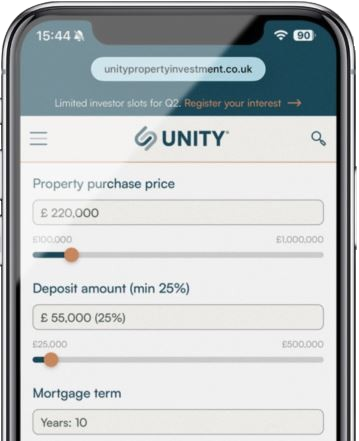
Buy to let investment and rental yield calculator
.png)
Property Management vs. Asset Management: Key Differences for Investors
Discipline
Core Focus
Primary Responsibilities
Value Proposition for the Investor
Case study
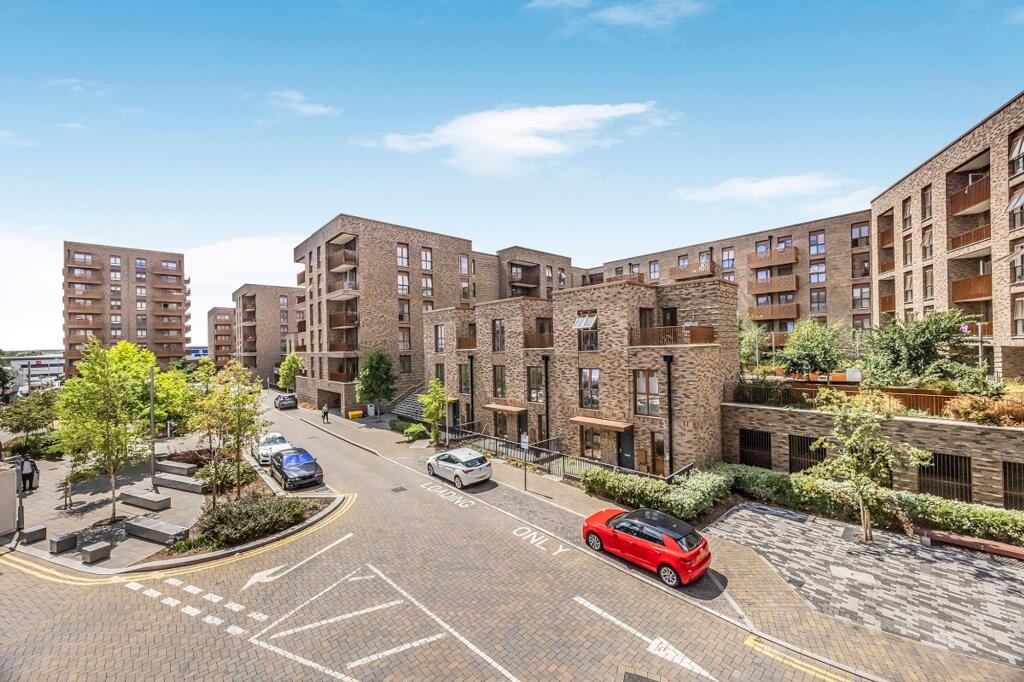
- Property Price:£300k
- Mkt Value at purchase:£320k
- Day one equity:£20,000
- Yield:6.8%
- ROCE:30.1%
.avif)