
.jpg)







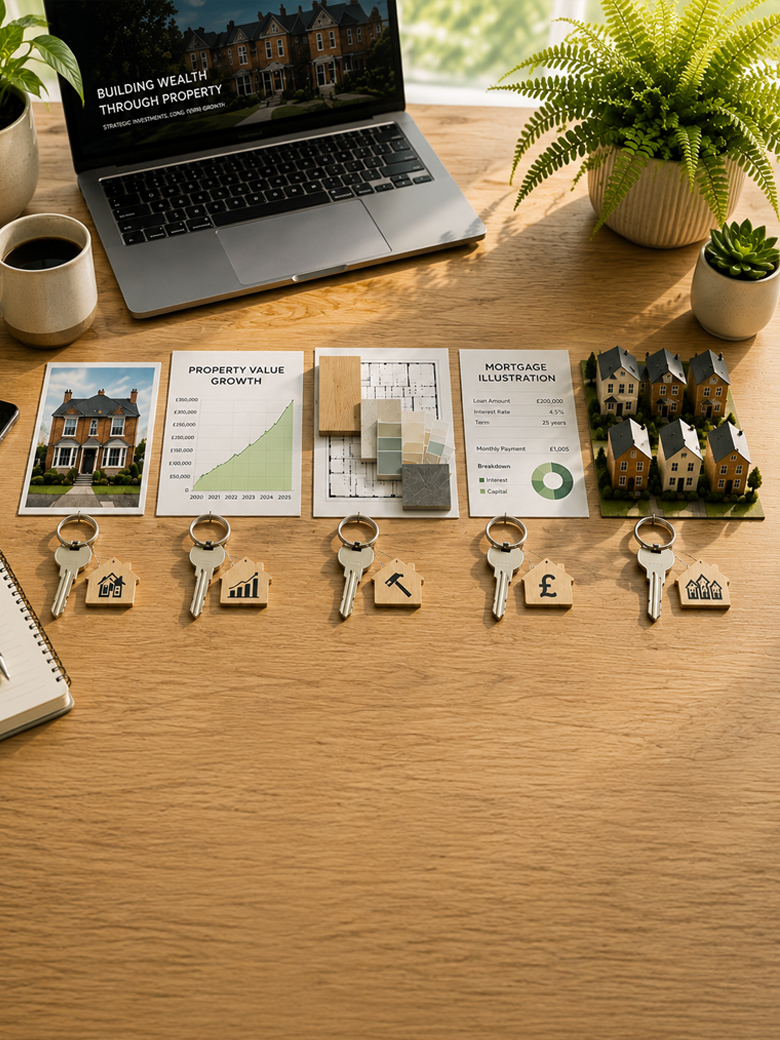

For decades, residential property investment has been one of the most reliable vehicles for long-term wealth creation. However, while much of the industry focuses on comparing specific strategies, fewer people take the time to understand the underlying financial engine that makes those strategies profitable. Before making an investment in property, it is essential to understand exactly where the returns come from.
Whether you are investing in properties for the first time or looking for advanced property investment tips to scale an existing portfolio, true wealth is rarely built by accident. To succeed in real estate investing, UK investors must look beyond simple yield calculations to understand how these assets actually compound over time.
Executive Summary
Many people assume property investors build wealth simply by collecting rent. In reality, successful investors generate returns through five interconnected drivers: rental income, capital growth, value creation, leverage and compound growth. Understanding how these mechanisms work together is often the difference between buying investment property as a standalone asset and building a portfolio that grows in value over decades. This guide explains each wealth driver and how professional investors combine them to create long-term financial growth.
Rental Income ➔ Capital Growth ➔ Value Creation ➔ Leverage ➔ Compound Growth ➔ Long-Term Portfolio Wealth
1. Rental Income
The most immediate and visible way you make money from property is through recurring rental income. In a well-structured portfolio, rent acts as your defensive driver. It provides the regular cash flow needed to pay the mortgage, cover maintenance, and generate a monthly profit.
While it is tempting to focus purely on the highest possible rent, experienced investors prioritise consistent, reliable cash flow. A property that generates slightly lower monthly rent but enjoys high tenant demand and zero void periods will often outperform a high-yielding property that sits empty for three months of the year.
Rental income also benefits from organic growth. Over time, as wages and inflation rise, market rents typically increase as well. A property that provides a solid return today will often generate significantly more cash flow a decade from now without requiring further investment. For context, recent data from the Office for National Statistics indicated that average UK private rents grew by 3.3% in the 12 months to May 2026 alone.
Before committing to a purchase, investors should understand how to work out rental yield and factor in the true costs of being a landlord. This ensures you can forecast whether the property will generate positive buy-to-let profit and cash flow, which helps protect your portfolio during periods of higher interest rates or unexpected maintenance. For a comprehensive overview of these calculations, our buy-to-let investment guide explains how to evaluate income potential in depth.

2. Capital Growth
If rental income provides the cash flow that keeps your investment financially resilient, capital growth is the offensive mechanism that builds long-term wealth. Capital growth simply refers to the increase in your property's market value over time.
In the UK, capital growth is driven by a fundamental shortage of housing. We consistently form new households faster than we build new homes. For example, England alone forms hundreds of thousands of new households each year, while UK housing completions continue to lag behind demand. This structural imbalance places long-term upward pressure on property prices, with the UK House Price Index showing the average UK property reached £270,080 by April 2026, following a 3.8% annual increase.
Crucially, inflation works in your favour here. While inflation drives up the physical value of your property and the rent you can charge, the value of your underlying mortgage debt remains fixed. Over time, inflation effectively shrinks your debt in real terms while your asset value grows.
The real power of capital growth comes from compounding over long periods. A 4% annual growth rate doesn't just add a fixed amount each year; it adds 4% to the new, higher value of the property from the previous year.

While property investment for beginners often focuses heavily on month-to-month cash flow, experienced investors also target specific investment areas with strong economic fundamentals to maximise this long-term appreciation. To visualise how this works over decades, you can use a portfolio projection tool as below to map out your potential equity growth.
Many first-time investors focus almost entirely on rental yield. In practice, long-term wealth is usually created by combining multiple drivers such as rental income, capital growth, leverage and value creation rather than relying on any single metric.
The most successful property portfolios are rarely built through one exceptional purchase. They are typically the result of a disciplined investment process repeated consistently over many years.
3. Value Creation
Capital growth relies on the broader market over long periods, which you cannot control. Value creation, however, allows you to accelerate wealth generation manually. It is the active process of forcing a property to increase in value through targeted improvements.
Investors manufacture equity by buying properties that are tired, poorly configured, or unmodernised. By deploying a careful refurbishment budget—such as installing a new kitchen, upgrading a bathroom, or completely changing the floor plan to add an extra bedroom—you can significantly increase both the property's resale value and its rental capacity. Our project management team oversees refurbishment projects for investors throughout the year, and we've seen first-hand how targeted improvements can significantly increase both monthly rental income and long-term property value.
You can also create instant equity at the point of purchase by securing a below market value property. Based on our daily experience of how we source properties for clients, finding genuinely discounted assets off-market allows you to lock in profit on day one, regardless of which property investment strategy you ultimately pursue.

4. Leverage
Once you have created equity through refurbishment or natural market growth, the next step is understanding how to amplify those returns. This is where leverage comes in, it is one of the biggest advantages property has compared with many other investment classes.
If you invest £50,000 in the stock market, you own £50,000 worth of shares. But in the property market, that same £50,000 can serve as a 25% deposit on a £200,000 property. You now control a £200,000 asset, collect rent on a £200,000 asset, and benefit from the capital growth of a £200,000 asset, despite only putting in a fraction of the money.
How Leverage Multiplies Returns
This example compares buying a £200,000 property for cash versus using a 75% buy-to-let mortgage, assuming £12,000 in annual rent and 4% capital growth (£8,000).
Scenario A: Cash Purchase
- Initial Cash Invested: £200,000
- Total Annual Return (Rent + Growth): £20,000
- Return on Invested Capital (ROIC): 10%
Scenario B: Leveraged (75% Mortgage at 5% Interest)
- Initial Cash Invested (Deposit): £50,000
- Mortgage Borrowed: £150,000
- Net Rent (Gross Rent minus Interest Cost): £4,500
- Annual Capital Growth: £8,000
- Total Annual Return (Net Rent + Growth): £12,500
- Return on Invested Capital (ROIC): 25%
By using a buy-to-let mortgage to fund your purchase, you magnify the return on your actual cash deployed. However, because leverage also magnifies risk, lenders conduct strict stress tests to ensure affordability. If you are exploring how to start property investment, running different scenarios through a buy-to-let calculator is an essential first step to understanding exactly how borrowing will impact your returns and risk profile.
5. Compound Growth
Leverage allows you to amplify the returns on a single property, but the final wealth driver - compound growth, is how you scale those returns across an entire portfolio. Significant property wealth is rarely built by buying a single house and slowly paying off the mortgage; it is built through the velocity of money.
As your property goes up in value (capital growth) or you force the value up (value creation), your equity in the property expands. You can unlock this equity without selling the property by refinancing.
The standard process looks like this:
- Buy: Purchase a property that needs work.
- Refurbish: Add value through renovation.
- Refinance: Remortgage the property at its new, higher value.
- Repeat: Use the cash you pulled out to fund the deposit on your next property.
In our experience, investors who plan their refinancing strategy before purchasing a property are generally better positioned to recycle capital efficiently as their portfolios grow.

In this scenario, the investor pulls £75,000 back out tax-free to buy their next property, leaving only £15,000 of their original money tied up in a high-yielding, modernised asset worth £300,000.
During rapid expansion phases, some investors accelerate this process by buying a tenanted property to secure immediate day-one cash flow while recycling capital elsewhere. To plan out a structured, multi-year approach to scaling your assets, it often helps to book a consultation to ensure your long-term roadmap is financially sound.

Portfolio projection tool

A Note on Taxation
As your portfolio scales and compounding accelerates, structuring your business efficiently becomes critical. Tax can have a significant impact on overall returns, particularly when considering ownership structure and future disposals. Investors should thoroughly understand these implications before purchasing an investment property, which is why many investors seek advice from qualified tax advisers and experienced property professionals before expanding their portfolios.
Conclusion: Building the Financial Engine
Ultimately, learning how to make money from property isn't about relying on one strategy. It's about understanding how rental income, capital growth, value creation, leverage and compound growth work together over time.
Property wealth is rarely created through one exceptional investment. More often, it is built by repeatedly applying the same disciplined principles over many years. Whether you're purchasing your first investment property or scaling an existing portfolio, understanding these five wealth drivers provides the foundation for making better investment decisions.
If you're ready to look beyond a single investment and start building a long-term portfolio using these strategies, we can help. Explore our current investment opportunities or contact us to discuss your plans.
Frequently Asked Questions
What is the fastest way to make money from property?
The fastest way to generate a return is through active value creation. By purchasing a property below market value or buying an unmodernised house and refurbishing it, you can manually manufacture equity within a few months, rather than waiting years for natural capital growth.
Can you still make money from buy-to-let?
Yes, buy-to-let remains a very strong way to build wealth. However, it requires a professional approach. You need to focus on securing strong rental demand and controlling your costs to generate monthly cash flow, while also buying in areas with solid potential for long-term capital growth. Using tax-efficient structures (like a limited company) also helps to protect your profits as your portfolio expands.
Is property still a good investment in the UK?
Yes, property as an investment remains highly resilient in the UK. We have a systemic shortage of housing, meaning demand consistently outstrips supply. This provides a strong foundation for long-term house price stability and capital growth.
How much money do you need to start investing in property?
Typically, you will need a 25% deposit for a buy-to-let mortgage. You also need to factor in acquisition costs like stamp duty, legal fees, and any initial refurbishment work. For a £100,000 property, you should generally aim to have between £35,000 and £50,000 in liquid capital available to purchase safely.
Is rental income or capital growth more important?
Neither is more important; they serve different purposes. Rental income is the defensive part of your investment, it pays the bills and keeps you safe. Capital growth is the offensive part - it builds your overall net worth so you can refinance and buy more properties.
Can you make money from property without owning multiple properties?
Yes. Buying a single, well-chosen property, adding value to it, and holding it for 15 to 20 years will still generate substantial wealth through capital growth and rental income. Holding a fully paid-off property into retirement provides an excellent supplementary income.
What are the biggest risks when investing in property?
The main risks involve running out of cash. This usually happens if an investor borrows too much money (over-leveraging) and interest rates rise, or if the property sits empty for a long period (voids) and they must cover the mortgage out of their own pocket. Keeping sensible cash reserves is essential.
How long does it take to build wealth through property?
Property is a long-term strategy. While you can force equity in 6 to 12 months via a refurbishment, the real compounding power of capital growth and refinancing usually takes 7 to 10 years to reach its full potential. The most successful investors plan in decades, not months.
The Mechanics of Recycling Capital
Portfolio Expansion Phase
Financial Metric
A standard financial breakdown of the Buy, Refurbish, Refinance, Rent, Repeat (BRRR) strategy.
.png)
-v1.avif)
Get investor insights and early access to opportunities
Join our investor briefings for structured insights, market updates, and priority access to new deals.

No spam, just timely insights for investors We respect your privacy and never sell your data
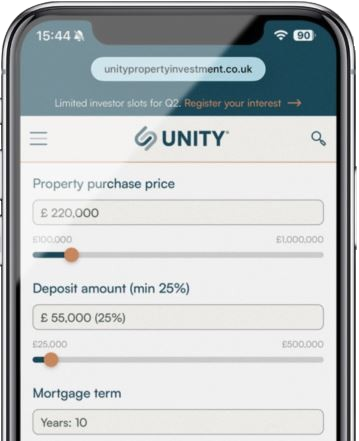
Buy to let investment and rental yield calculator
The Mathematics of Compounding Asset Values
Holding Year
Total Asset Value (4% Growth)
Cumulative Equity Gained
Equity Gained in the Current Year
This table shows how a conservative 4% annual growth rate on a £250,000 property accelerates your equity over 20 years.
Case study
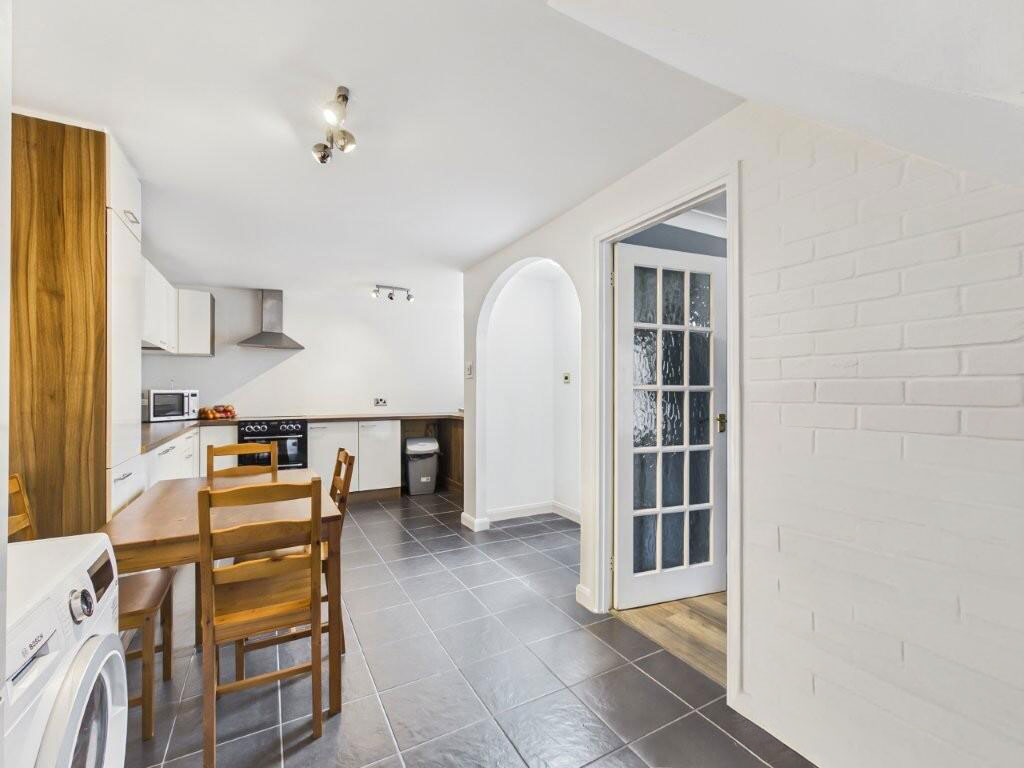
- Property Price:£275k
- Mkt Value at purchase:£290k
- Day one equity:£14,500
- Yield:7.2%
- ROCE:28.6%
.avif)