.jpg)








Cheapest Houses in the UK: The Most Affordable Places to Buy Property
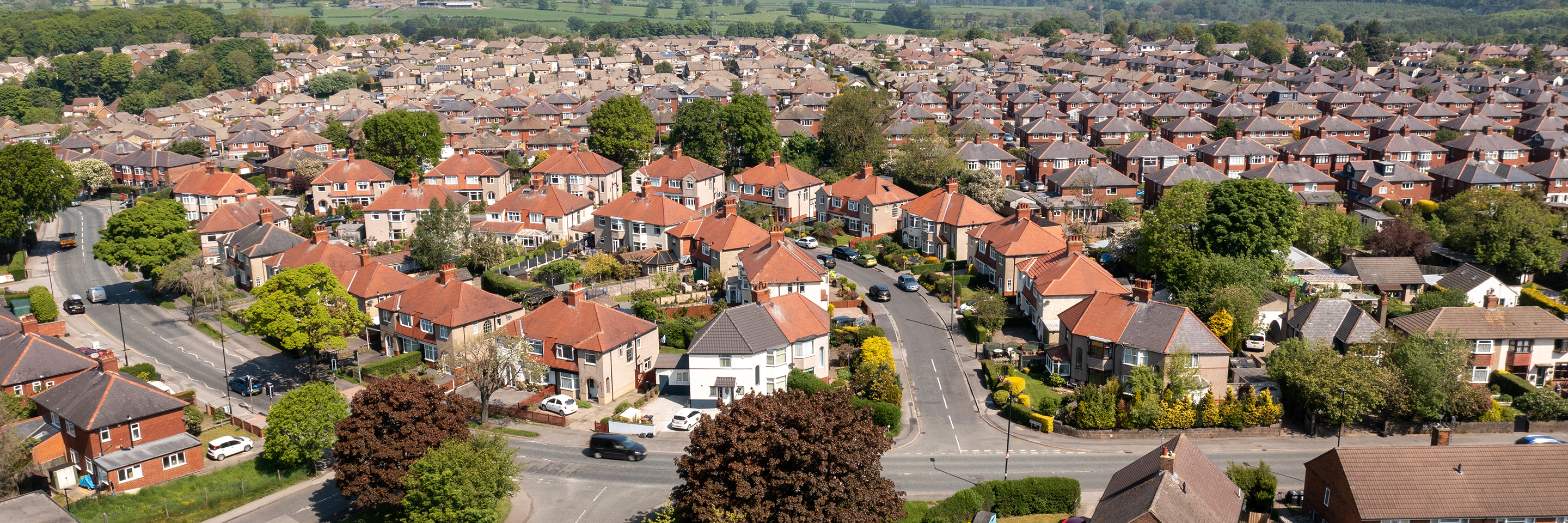
As of June 2026, the average house price in the United Kingdom stands at £272,188, with properties in England averaging £293,000, Wales at £213,000 and Scotland at £195,000. These national figures, heavily skewed by the £554,000 average in London and the elevated prices across the South East, obscure highly fragmented regional markets. The lowest priced housing in the UK remains heavily concentrated in specific corridors of the North East, the North West, Yorkshire, Wales and parts of Scotland. Within these regions, average local authority house prices routinely fall well below the £145,000 mark, driven by a complex interplay of localised wage dynamics, vast surpluses of historic housing stock and ongoing post industrial economic transitions.
For those navigating the initial stages of the location selection process, identifying the cheapest houses in UK markets is a matter of public record. If you are wondering where to buy cheap property UK wide, the answer is heavily concentrated in these northern and coastal markets. However, for anyone acquiring property with the expectation of a financial return, tracking down the cheapest property in UK markets must be balanced against genuine investment quality. A low purchase price does not necessarily mean a property represents good value. Investors also need to consider rental demand, refurbishment and maintenance costs, regulation, financing, resale demand and the area's long term economic prospects.
Executive Summary
While the most affordable housing in the UK offers an accessible entry point for investors looking for cheap houses for sale UK wide, prioritising a low purchase price without assessing fundamental market drivers can lead to poorly performing assets. The cheapest properties in UK markets routinely boast high theoretical gross yields, but these figures are frequently eroded by proportional capital expenditures, stringent new energy efficiency requirements, localised management intensity and regional tax surcharges. Ultimately, securing an asset in a market with sustainable, organic demand is far more important than finding the absolute lowest acquisition cost.
Key Takeaways:
- Affordability hot spots: The cheapest housing is heavily concentrated outside southern England, with markets like Inverclyde, Hartlepool, Aberdeen and Burnley offering average property prices between £109,000 and £135,000.
- Maintenance proportionality: Capital expenditure hits cheap property disproportionately hard. A £10,000 roof replacement is a manageable expense on a £350,000 home, but it represents over 14% of the value of a £70,000 terraced house, potentially wiping out years of profit.
- Regulatory costs: Impending EPC equivalent Band C requirements for 2030 and expanding selective licensing schemes across northern and coastal towns add significant compliance costs that must be factored into the purchase price.
- Hidden capital requirements: A statistically cheap £100,000 investment property still requires over £41,000 in liquid cash to acquire safely when accounting for a 25% deposit, higher rate transaction taxes, legal fees and operational contingencies.
- Tax variances: Investors must navigate regional tax differences, such as Scotland's 8% Additional Dwelling Supplement (ADS) on the entire purchase price, which can make cheap Scottish properties much more expensive to acquire than English equivalents.
Where Are the Cheapest Houses in the UK?
If you want to know where are the cheapest houses in UK regions, the most affordable local authorities are overwhelmingly situated outside of southern England, largely concentrated in former industrial heartlands and coastal peripheries. These regions consistently record the lowest house prices in UK indices, offering a wealth of cheap property for sale UK wide. Utilising current transaction data from the Office for National Statistics (ONS) and HM Land Registry as of June 2026, the following table illustrates the most notable local authorities recording the lowest average property prices.
The Cheapest Places to Buy a House in the UK
Rather than viewing affordable regions as a uniform monolith, finding the cheapest place to buy a house in UK regions requires analysing specific local authorities. Below is a targeted look at eight markets that rank highly for those seeking the cheapest places to buy property in UK postcodes.
Inverclyde, Scotland
Inverclyde is among the UK's lowest priced local authority housing markets, recording an average house price of £109,131 in June 2026. The housing stock is heavily weighted toward affordable flats and ex local authority housing. While gross yields can average 5.6%, the Scottish tax environment complicates the investment case. The Land and Buildings Transaction Tax (LBTT) applies an 8% Additional Dwelling Supplement (ADS) to the entire purchase price for second homes, making the upfront tax burden disproportionately high.

Hartlepool, North East
Hartlepool's average house price remained flat at £130,000 in the year to June 2026. The town's housing stock features a remarkably high density of Victorian terraced properties, which average just £102,000. While yields on paper are attractive, average private rents of £556 per month highlight the relatively low absolute rental income available in the market.
City of Aberdeen, Scotland
Aberdeen's relatively low average price of £131,855 follows a prolonged market correction, with prices falling 7.0% year on year to June 2026. The city's housing market has historically moved in tandem with the North Sea oil and gas sector. As the industry transitions, structural oversupply of housing, particularly city centre flats, has depressed capital values.
City of Kingston upon Hull, Yorkshire
Hull offers an average property price of £134,304. The city has experienced visible regeneration around its marina and expanding renewable energy hubs, providing average gross yields of 6.2%. However, swathes of the city's traditional housing lie in high flood risk zones. Buyers must conduct exhaustive environmental searches, as heavy insurance premiums can erode investment viability.
Burnley, Lancashire
With an average price of £134,515, Burnley's housing stock is dominated by stone built terraced housing originally constructed for 19th century mill workers. While entry prices are accessible, the local authority strictly enforces selective licensing across multiple wards, charging up to £750 per property.
Blackpool, North West
Blackpool presents an average house price of £134,923, driven down by an oversupply of converted former guesthouses. In response to localised housing management issues, the local authority introduced expansive new selective licensing schemes covering thousands of private rented homes with licence fees starting at £572. This introduces immediate compliance costs for buyers.
Middlesbrough, North East
Middlesbrough's average house price stood at £138,000 in June 2026. The market is highly polarised; in central areas like TS1 and TS3, average terraced prices sit between £70,000 and £85,000, generating strong gross yields of 7.6% to 9.5%. However, these central wards demand rigorous, proactive property management to maintain asset performance.
Blaenau Gwent, Wales
As Wales's cheapest local authority, Blaenau Gwent recorded an average price of £145,000, despite experiencing strong annual growth of 8.9% leading up to June 2026. Located deep in the South Wales Valleys, the area suffers from geographical isolation. Buyers must also account for the Welsh Land Transaction Tax (LTT), which imposes higher residential rates on additional property purchases.
Why Are Houses So Cheap in Some Parts of the UK?
The clustering of highly affordable housing in specific locales is never arbitrary. Property prices reflect the local economy, intrinsically linked to the purchasing power of the local population and the physical realities of the housing stock. Areas reliant on low wage service sectors or communities suffering from post industrial decline inherently lack the high income demographics necessary to drive up local asset values, resulting in the lowest house prices UK indices record. Local earnings dictate mortgage affordability, which in turn sets a hard ceiling on achievable house prices.
Furthermore, the cheapest markets are heavily populated by dense, late 19th and early 20th century terraced housing. Built rapidly during the industrial revolution, this stock often exists in surplus relative to modern population needs. In locations experiencing demographic stagnation, demand side pressure is relieved, creating an abundance of cheap properties for sale UK wide and permanently suppressing capital values.

Capital expenditure hits cheap property disproportionately hard. A £10,000 roof replacement represents over 14% of the value of a £70,000 terraced house, potentially wiping out years of profit.
The cheapest house is rarely the objective. The objective is to acquire an asset at a price that produces an attractive risk adjusted return in a market with sustainable, organic demand.
Does Buying a Cheap House Make a Good Investment?
A persistent misconception in property investment is that finding the absolute cheapest house in UK locations automatically equates to a high quality asset. In reality, a £70,000 terraced house yielding 9% is not definitively superior to a £220,000 semi detached house yielding 6%. When analysing the cheapest property prices UK markets have to offer, affordable property locations present unique risk profiles that must be carefully evaluated before acquisition.
Why cheap property isn't always cheap to own
The cost of building materials and professional trades is relatively uniform across the UK, but asset values are not. If a roof requires replacement at a cost of £10,000, this represents a minor 2.8% capital expenditure on a £350,000 property in the South East. However, on a £70,000 property, that exact same roof replacement consumes 14.2% of the asset's total value, which can wipe out several years of net rental profit in a single event.
This capital expenditure risk is acutely exacerbated by impending energy regulations. The government requirement for privately rented homes to reach a minimum energy efficiency standard equivalent to EPC Band C by 1 October 2030 presents an additional cost consideration. While a £10,000 cost cap and various exemptions have been introduced, upgrading older terraced homes with solid walls can still demand significant capital, making it vital to assess a property's energy efficiency before buying.
Furthermore, those searching for cheap houses UK wide must consider how the operational landscape is shifting. The Renters' Rights Act 2025, which came into force in May 2026, alters property management by abolishing Section 21 evictions. The inability to rapidly reclaim possession of a property places a heavy premium on securing reliable tenants. In lower priced markets, arrears risk and tenant demand depth vary substantially between neighbourhoods. High yielding properties often demand management intensive oversight, leading to higher letting agent fees and maintenance callouts that erode the gross yield.
Finally, cheap property can be less liquid. Properties in middle tier markets potentially provide a broader resale market than investor dominated locations, offering more reliable exit liquidity when it comes time to sell.
Cheapest Places to Buy Property for Buy to Let
Finding the cheapest buy to let areas UK investors can target narrows the universe of actionable locations significantly. An investor should not simply seek the absolute cheapest place to buy property UK markets offer, but rather locations that combine affordability with organic rental demand, manageable housing stock and visible economic regeneration.
Investors working with a lower acquisition budget who are looking for cheap buy to let properties UK wide may also want to compare some of the cheapest places to buy a house UK regions can provide, although low purchase prices should be considered alongside rental demand and long term market fundamentals. This strategic alignment is explored further in comprehensive analyses of the best buy-to-let areas in the UK, which highlight towns where structural factors, such as expanding university populations, regional hospital trusts or shifting corporate headquarters, can provide a baseline of reliable tenant demand.
Similarly, investors equipped with a restricted capital base will find detailed, highly targeted strategies in guides covering the best buy-to-let places in the UK with £50k. In such scenarios, thoroughly researched markets offer a vital balance, generating sufficient yield to satisfy commercial lending stress tests. These markets can allow investors to balance a lower overall acquisition cost with sufficient rental income to support the investment case.

Cheap Property vs More Expensive Growth Markets
A mature investment strategy recognises that high cash flow and strong capital appreciation often sit at opposite ends of the geographic and pricing spectrum. Contrasting an inexpensive northern town with established growth markets vividly illustrates this divide, highlighting that price is only one variable in a much larger equation.
A portfolio heavily weighted in cheap property UK northern markets might generate attractive gross yields on paper, effectively funding its own debt and producing monthly income. However, such a portfolio risks remaining stagnant in terms of capital growth. Conversely, investors exploring Kent property investment or buy-to-let in Essex accept substantially higher entry prices and lower immediate yields in exchange for proximity to London, resilient local economies and the potential for stronger long term capital growth.
The same principles apply to London property investment. The entry barrier is severe, with the average London property costing £554,000. However, London benefits from a deep and diverse property market, substantial owner occupier demand and historically strong long term capital growth. Neither the high yield northern approach nor the high growth southern approach is universally superior; rather, the investor's specific objective, risk tolerance and capital base must dictate the geography.
How Much Money Do You Need to Buy a Cheap Investment Property?
A common pitfall for new investors is conflating a statistically cheap investment property UK lenders will finance with a low cash requirement. To illustrate the actual investable cash required, consider the acquisition of an illustrative £100,000 buy to let property in a typical northern English town.
Lender criteria for buy to let mortgages in 2026 treat the property strictly as an income generating asset. Mainstream lenders typically require a minimum property valuation of £50,000 and demand a 25% minimum deposit, capping the Loan to Value (LTV) at 75%. Furthermore, the anticipated rental income must pass an Interest Cover Ratio (ICR) stress test, usually requiring the rent to cover 125% to 145% of the mortgage payment calculated at a stressed interest rate of 5.0% to 5.5%.
The following table breaks down the realistic capital required to acquire a £100,000 investment property in England:

Portfolio projection tool

Therefore, acquiring a statistically cheap £100,000 property still requires over £40,000 in liquid capital to execute safely. If the property requires a new boiler or wall insulation, that cash requirement can surge, fundamentally altering the return on investment.
How to Compare Affordable Property Markets
When asking where is the cheapest place to buy property in UK regions, or trying to determine the cheapest area to buy a house in UK markets, investors must apply a stringent comparative framework. Finding the cheapest place to buy a house UK wide requires more than just sorting by price.
Identifying the cheapest areas to buy property UK wide must begin with purchase price and deposit viability, ensuring the asset meets the minimum £50,000 valuation threshold required by mainstream buy to let lenders. From there, the focus shifts to achievable rent versus advertised rent, determining if the resulting gross yield clears the 125% to 145% ICR stress tests required to secure financing. The acquisition cost must then be adjusted for local tax surcharges, acknowledging that a property in Scotland triggers an 8% LBTT surcharge, impacting initial capital outlay compared to an English equivalent.
Once the financial mathematics are verified, the physical housing quality and regulatory exposure must be assessed. Properties facing costly insulation upgrades or those located within stringent selective licensing zones require careful cost analysis. Finally, the investor must analyse the local economy, tenant demand and resale liquidity. A property situated in a diversified economy with hospitals, universities or logistics hubs may benefit from a broader tenant base and stronger owner occupier resale demand.

Are the Cheapest Houses in the UK Worth Buying?
The cheapest property for sale in the UK offers an undeniable low barrier to entry and the allure of double digit gross yields. For highly active investors who understand the micro geography street by street, and who possess the infrastructure to manage the properties efficiently, these markets can generate substantial cash flow.
However, viewing property purely through the lens of nominal acquisition cost is fundamentally flawed. The cheapest house is rarely the objective. The objective is to acquire an asset at a price that produces an attractive risk adjusted return in a market with sustainable, organic demand.
When accurately factoring in proportional capital expenditure, energy efficiency compliance, localised management intensity and higher transaction taxes applying to additional property purchases, the true cost of the cheapest property for sale UK wide is often higher than its advertised asking price. Investors must look beyond the cheapest place to buy property in the UK, seeking out affordable markets where economic regeneration, demographic stability and modern infrastructure align to support long term asset security.
Estimated Capital Required for a £100,000 Investment Property
Expense Category
Estimated Cost
Rationale and Context
.png)
-v1.avif)
Get investor insights and early access to opportunities
Join our investor briefings for structured insights, market updates, and priority access to new deals.

No spam, just timely insights for investors We respect your privacy and never sell your data
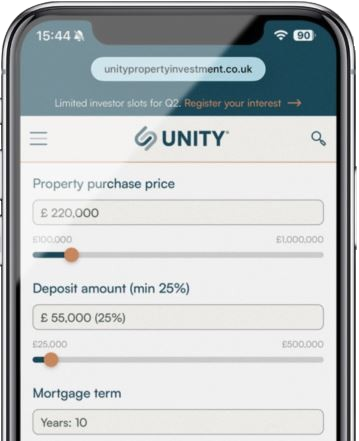
Buy to let investment and rental yield calculator
Lowest Average Property Prices by Local Authority (June 2026)
Local Authority
Average House Price (June 2026)
Region
Market Characteristics
Note: Data reflects provisional Land Registry/ONS estimates for June 2026. Achievable market prices for specific properties will vary significantly based on exact micro location, condition and property type.
Frequently Asked Questions
What is the minimum deposit required for a cheap investment property UK lenders accept?
Do I have to pay extra stamp duty on the cheapest property in UK markets?
Will cheap terraced houses need costly energy efficiency upgrades?
Can I get a mortgage on a cheap ex council flat?
What is top slicing for buy to let mortgages?
How long do selective licensing schemes last and what do they cost?
Case study
- Property Price:£300k
- Mkt Value at purchase:£320k
- Day one equity:£20,000
- Yield:6.8%
- ROCE:30.1%
.avif)