.jpg)








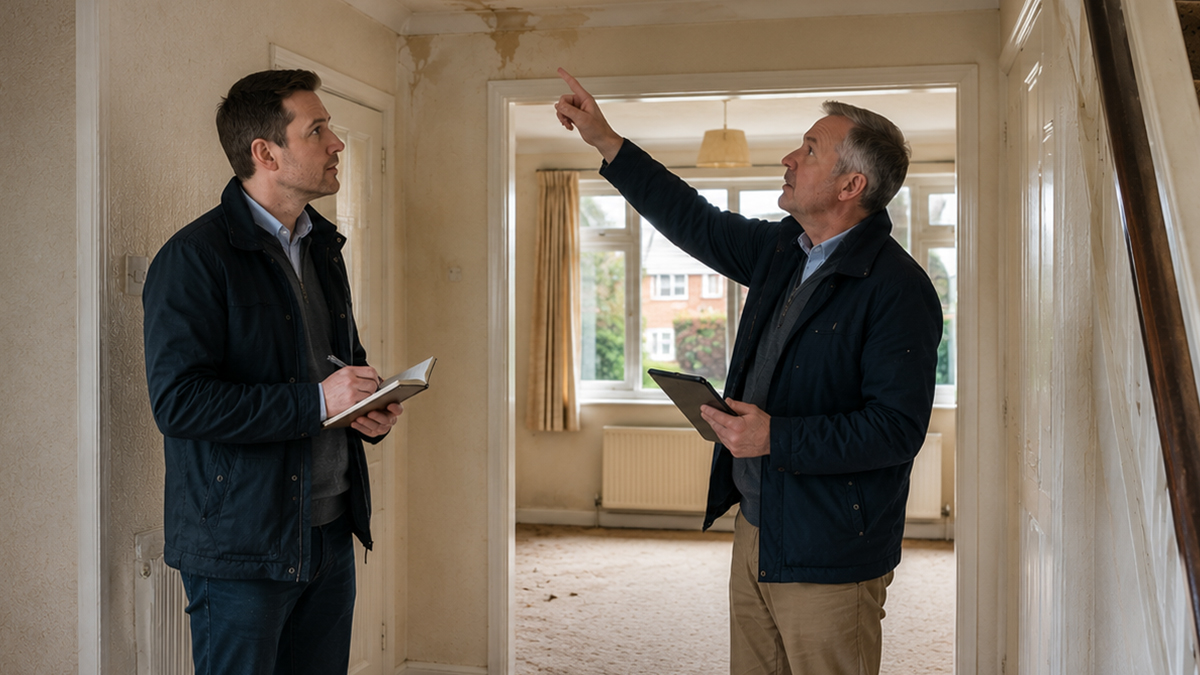
Buying a tenanted property can be an excellent way to generate rental income from day one, but it also means inheriting the existing tenancy. You are not just buying bricks and mortar; you are taking over a legally binding contract, a historical paperwork trail, and a live relationship with a renter. Understanding exactly what you are taking on is just as important as assessing the physical property itself, as the quality of that tenancy will ultimately determine the success of your investment.
Executive Summary
Purchasing a tenanted property provides immediate cash flow but requires you to take on an existing legal and operational framework. Following the implementation of the Renters' Rights Act in May 2026, which abolished Section 21 evictions, landlords now face stricter rules regarding tenant removal and rent increases. This guide details the essential due diligence, legal obligations, and strategic considerations required to safely acquire and manage a property with tenants in situ.
The decision to acquire a property is a major commitment, and buying a house with tenants introduces extra layers to consider. The investment ceases to be merely a physical transaction involving bricks and mortar; you are taking over an active arrangement complete with an existing occupier.
Many investors specifically seek out these opportunities as part of their property investment strategies because they offer immediate, proven rental income, bypassing the estimated projections associated with vacant properties. However, there are scenarios such as executing heavy structural refurbishments, flipping the property for capital appreciation, or moving in yourself where inheriting a tenancy is not the right fit.
This guide explores the mechanics of buying a property with tenants in situ, analyzing the due diligence requirements, the questions you need to ask, and how current regulations impact your investment strategy.
What Does Tenant in Situ Mean?
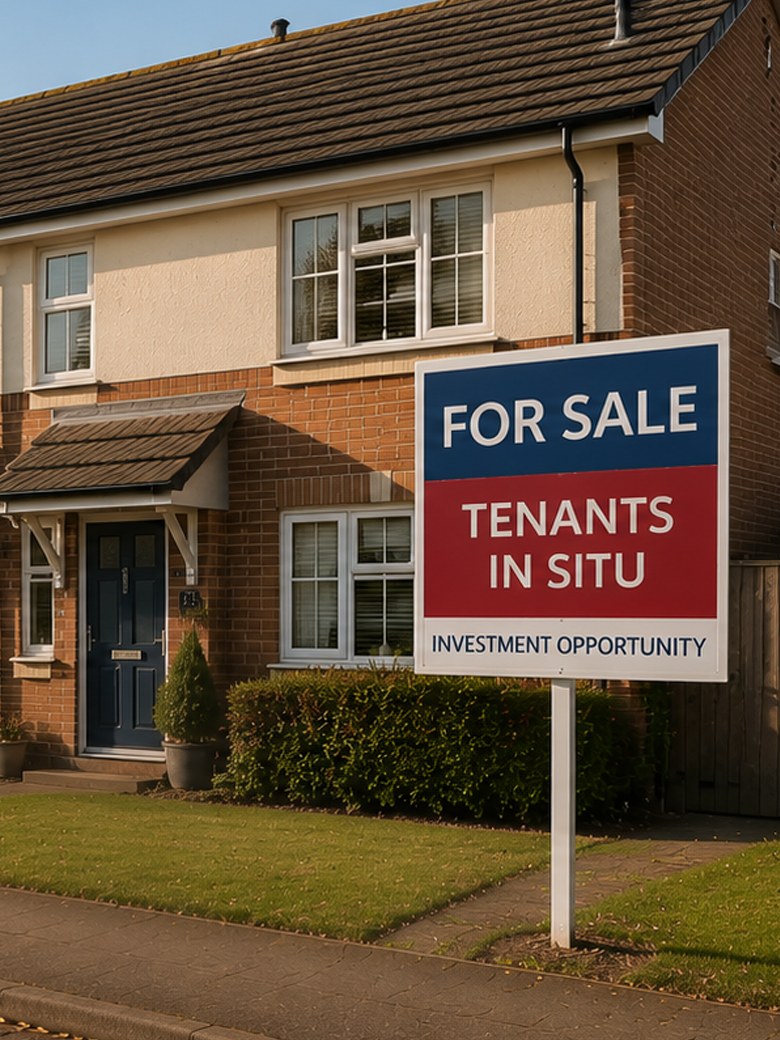
The phrase "tenant in situ" indicates that a property is currently occupied by a renter whose tenancy will continue uninterrupted after the property changes ownership. When an investor buys a tenanted property for sale, the existing tenancy agreement transfers automatically to the new owner under the exact same terms, conditions, and rental rates.
The tenant in situ meaning dictates that the buyer essentially "steps into the shoes" of the previous landlord. The tenant's right to remain in the property is protected, and the new landlord assumes all obligations from the moment of legal completion. This continuity means that the incoming owner cannot arbitrarily alter the lease, increase the rent outside of standard processes, or demand that the tenant vacate simply because the property has changed hands.
For investors researching becoming a landlord, understanding the tenants in situ meaning is critical. It establishes the boundaries within which you must operate, ensuring the transition of ownership goes smoothly.

What Is a Sitting Tenant?
In property investment, the terms "sitting tenants" and "tenants in situ" are often used interchangeably to describe renters who remain in a property during and after a sale. However, knowing the legal distinction is important during an investment property appraisal.
A sitting tenant traditionally refers to someone with a "regulated tenancy" that started before January 15, 1989. These tenancies grant extreme security of tenure, including succession rights for family members, and are subject to "fair rents" which are typically well below the market average. Gaining possession of a property with a regulated sitting tenant is very difficult, and most lenders will heavily restrict mortgages on these assets.
Conversely, a modern tenant in situ holds a standard assured periodic tenancy, operating under normal market conditions. Identifying whether the occupier is a modern tenant or a legacy sitting tenant is the crucial first step, as it dictates the asset's true commercial value.
What Happens When You Buy a Tenanted Property?
The conveyancing process for a tenanted property requires specific expertise, as standard residential conveyancers can sometimes overlook the nuances of landlord obligations. Investors monitoring how long a buy-to-let purchase takes must factor in several unique completion steps.
The Transfer of the Tenancy
Upon completion, the existing tenancy agreement transfers automatically. You don't need to draft a new contract on day one, though it is good practice to formally amend the documentation to reflect your identity as the new landlord. These tenancies are now rolling assured periodic tenancies with no fixed end date.
Legal Notices
The smooth transition of ownership relies on giving the tenant the correct information immediately upon completion. You must officially inform the tenant that the property has changed ownership, providing your actual name and address. You must also provide the tenant with an address in England or Wales where they can serve legal notices to you. If you fail to provide this address, rent is not legally due from the tenant, which will prevent you from claiming arrears later.
Rent Apportionment and Historic Arrears
When the sale completes, the rent payments must be divided fairly. If the tenant pays rent on the 1st of the month and the sale completes on the 15th, the seller has received half a month's rent that legally belongs to you. The solicitors will calculate this and deduct it from the final completion monies.
Crucially, historic rent arrears do not automatically transfer to the new owner. If the tenant owes the previous landlord money, you cannot pursue that debt or use it toward an eviction threshold unless the specific right to those arrears was purchased within the sale contract.
Deposit Transfer
The tenant's security deposit does not transfer alongside the property deeds; it must be actively moved. The seller must transfer the deposit into your chosen government-approved protection scheme (either custodial or insured). Once secured, you must provide the tenant with updated deposit paperwork within 30 days. Failing to do this blocks your ability to serve eviction notices and invites compensation claims.
A tenanted property can generate rental income from day one, but a poor-quality tenancy can quickly outweigh that benefit. Understanding who the tenant is and how the tenancy has been managed is often just as important as analysing the property itself.
We often find that the quality of the tenancy has a bigger impact on investment performance than whether the property is tenanted at all. A well managed tenant paying market rent can be a significant asset, whereas inherited compliance issues or long term under market rents can quickly erode returns.
Advantages of Buying a Tenanted Property
Despite stricter rules across the rental sector, buying property with tenant in situ remains a highly sought-after strategy, particularly for a portfolio landlord focused on yield and sustainable cash flow.
Immediate Rental Income
The biggest commercial advantage of purchasing a house with tenants is the generation of revenue from the exact day of completion. When buying an empty property, you face void periods while refurbishing, marketing, and conducting referencing checks. With a sitting tenant, the income is uninterrupted, allowing for accurate rental yield calculations and easy mortgage servicing, which immediately improves your profit and cash flow.

Known Tenant History and Proven Demand
A vacant property operates on projected income. A tenanted property provides real data. By reviewing a tenant's historic rent ledger, you can verify their payment reliability and confirm that the local market can sustain the current rent.
Below Market Value Property Opportunities
Properties sold with tenants in situ are frequently marketed to a smaller pool of buyers, namely, other investors. Because they aren't suitable for owner-occupiers, motivated sellers may offer these properties at a discount relative to their vacant possession value. For investors executing a below market value acquisition strategy, this provides an instant equity buffer.
Potential Risks
Evaluating the true cost of being a landlord when buying a house with tenants in situ requires acknowledging the specific risks associated with inheriting a tenancy.
Inheriting a Poor Quality Tenant
The most significant risk when buying a home with tenants is inheriting a problematic occupier. If the tenant is consistently late with rent, or causes damage, the new landlord assumes the burden of managing the situation. Removing a problem tenant requires meeting the strict evidence thresholds of the court system.
Below Market Rental Rates
Long-term tenants frequently pay rent that is below the current market average, especially if the previous landlord neglected to implement regular annual increases. Bringing the rent up to market value can be done, but steep increases may prompt a tribunal challenge.
Inherited Compliance Failures
The legal liabilities of the previous landlord's management transfer entirely to the buyer upon completion. If the seller failed to conduct mandatory Right to Rent checks, or operated without a required local authority license, the new landlord assumes the risk of civil penalties. Examining property investment mistakes often reveals buyers who failed to audit these historical documents.
Questions to Ask Before Buying a Tenanted Property
Before proceeding with an offer, experienced investors look beyond the bricks and mortar to assess the quality of the tenancy itself. We recommend asking the seller or their agent the following questions:
- Why is the landlord selling? Understanding their motivation can reveal hidden issues with the property or the tenancy.
- Has rent ever been in arrears? You want to know if the tenant is genuinely reliable.
- Has the tenant ever been served notice? This indicates past friction or attempts by the seller to remove them.
- Are there ongoing disputes? Check for any active disagreements between the landlord and tenant, or with neighbours.
- Have there been complaints? Look into anti-social behaviour or noise complaints.
- Are repairs outstanding? Tenants may be withholding rent, or expecting the new owner to immediately fund significant maintenance.
- Is the rent at market level? If it is significantly below market value, factor in the time and difficulty required to increase it.
- Is there a guarantor? A guarantor adds a layer of financial security, especially for younger tenants or those with variable incomes.
- Are inspections documented? Regular property inspection reports show how well the tenant has looked after the home.
Due Diligence Checklist Before Buying
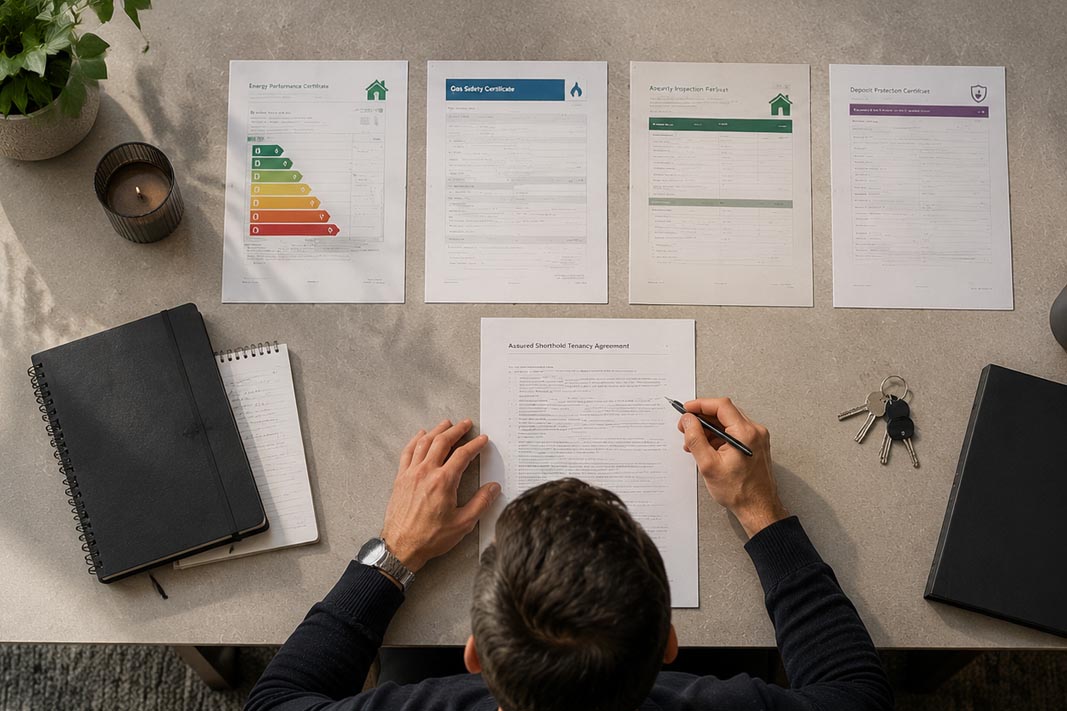
Instead of relying on verbal assurances, demand a complete due diligence paperwork trail from the seller's solicitor.
✔ Tenancy Agreement: Review the original contract and any addendums regarding rent dates, pets, or property alterations.
✔ Deposit protected: Verify the deposit was placed in an approved scheme within 30 days and the correct paperwork was served to the tenant.
✔ Gas Safety: You need a historical chain of annual certificates, not just the most recent one.
✔ EICR: Ensure the Electrical Installation Condition Report is valid and less than five years old.
✔ EPC: Check the Energy Performance Certificate rating and calculate any upgrade costs needed for future regulations. Reviewing buy-to-let EPC ratings is crucial here.
✔ Rent ledger: Demand a formal bank statement or software-generated ledger to prove rent is actually being paid.
✔ Repairs history: Review the maintenance log to spot recurring issues like damp or boiler breakdowns.
✔ Licensing: Confirm if the property needs an HMO or selective license from the local council, and ensure it is currently compliant.
✔ Insurance claims: Ask for a history of claims to identify potential structural or environmental risks.
✔ Right to Rent: Check that the seller retained physical copies of passports or used the Home Office online share code system correctly.
Buying With Vacant Possession on Completion
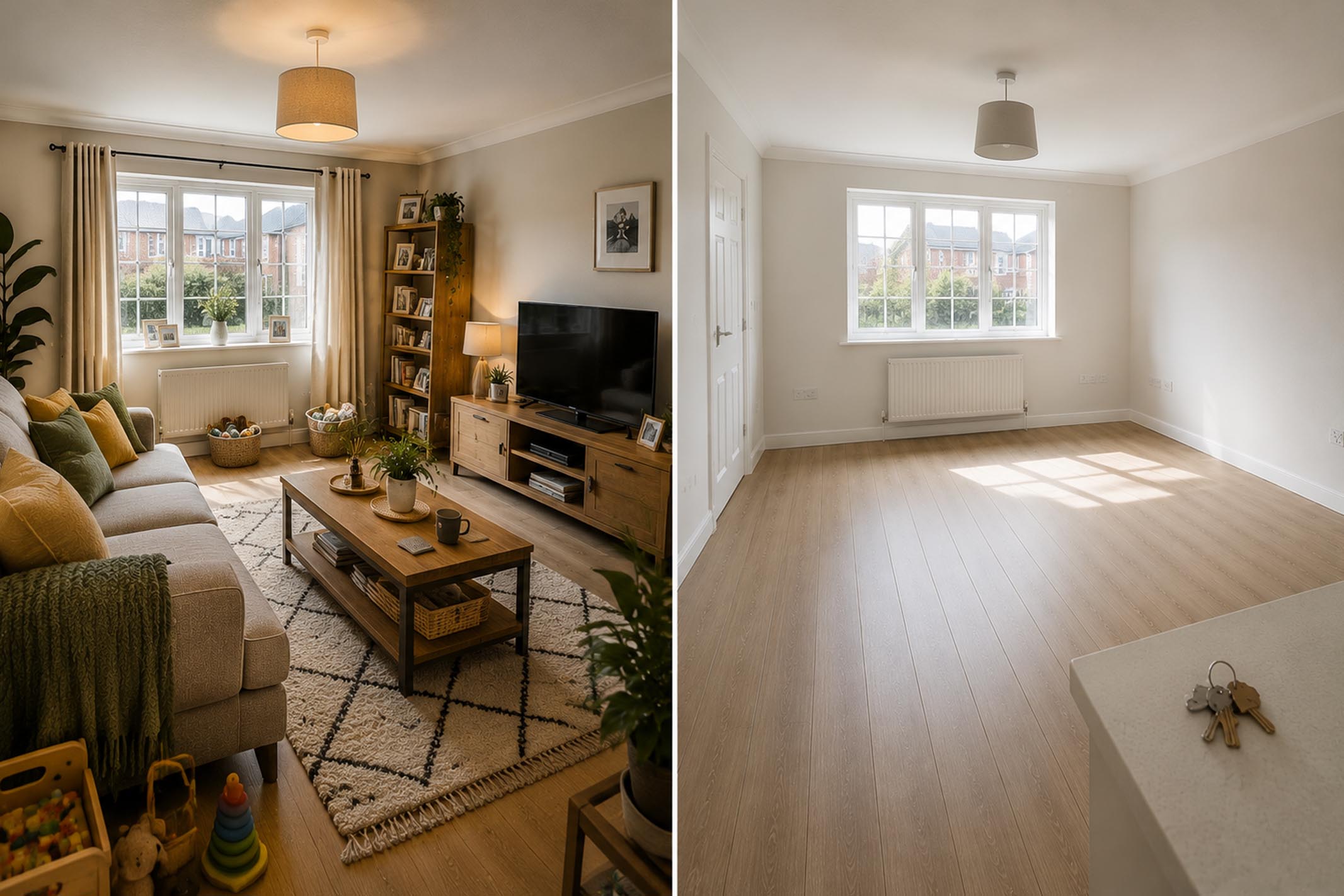
To entirely mitigate the risks of inheriting an unknown tenancy, many investors prefer buying a tenanted property with vacant possession on completion. In this scenario, the seller is obligated to clear the property of all occupants before you take ownership.
The Process and Delays
Selling a property with vacant possession usually requires the seller to utilize a formal eviction notice, which mandates a multi-month notice period.
The primary disadvantage here is the high probability of long delays. If the tenant refuses to leave when the notice expires, the seller must take them to court, stalling your purchase. Furthermore, properties purchased empty after certain eviction notices may come with restrictions on how quickly you can re-let them.
Comparison: Tenanted vs. Vacant Possession

Portfolio projection tool

Mortgage Considerations
Mainstream residential lenders will not finance a property unless it has vacant possession upon completion. For a tenanted property, you will need a dedicated buy-to-let mortgage, and researching current buy-to-let mortgage rates is essential.
Buy-to-Let Lender Requirements
Lenders view sitting tenants cautiously and will demand to see the tenancy agreement, proof of deposit protection, valid safety certificates, and a flawless rent payment history. If the property is occupied by a regulated sitting tenant (pre-1989), the vast majority of lenders will decline the application entirely or cap the loan size severely.
Rental Stress Testing and ICRs
When assessing affordability, lenders use an Interest Coverage Ratio (ICR). This ensures the rental income comfortably covers the mortgage payments.
Typically, the rent must equal 125% of the mortgage interest for basic-rate taxpayers, and 145% for higher-rate taxpayers or limited company buy-to-let structures. If the current tenant pays below-market rent that fails this test, you may need a larger mortgage deposit to satisfy the lender's criteria.
Is Buying a Tenanted Property a Good Investment?
Determining whether purchasing a tenanted property aligns with your goals requires a practical assessment of your strategy.
For an investor seeking immediate yield and minimal disruption, inheriting a compliant, high-quality tenancy is a great option. It removes the cost of finding a tenant and provides immediate cash flow.
However, if your plan relies on rapid renovations or flipping the property, buying with a tenant in situ will hold you back. The rights of the occupier mean you cannot easily force them out to conduct structural works. In these scenarios, demanding vacant possession on completion is often the better path. Ultimately, the success of the investment relies entirely on executing an uncompromising due diligence process.
Frequently Asked Questions
Can a sitting tenant buy the property?
Yes, a sitting tenant can purchase the property they are renting. Landlords looking to offload an asset often approach the current tenant first, as it eliminates estate agent fees and avoids the legal complexities of selling a tenanted property on the open market.
Can I increase the rent?
Yes, but rent increases are strictly regulated. A landlord can only increase the rent once every 12 months by issuing a formal statutory notice. Tenants retain the right to challenge the increase at a tribunal if they believe it exceeds current open market rates.
Does the tenancy agreement transfer automatically?
Yes. When a property is sold, the new owner automatically inherits the existing tenancy agreement under the exact same terms, conditions, and rental limits. You legally "step into the shoes" of the previous landlord.
What happens to the deposit?
The deposit does not transfer automatically with the property deeds. It must be formally moved between the seller's and buyer's government-approved protection schemes. The new landlord assumes full legal liability for the deposit and must provide the tenant with updated paperwork within 30 days.
Can I ask the tenant to leave?
You can no longer ask tenants to leave without a specific statutory reason. To evict a tenant, the landlord must serve a formal notice and prove a specific legal ground in court, such as wanting to sell the property or severe rent arrears.
Should I buy with vacant possession?
Buying with vacant possession is highly recommended for investors who plan to undertake significant refurbishments, alter the property's layout, or immediately flip the asset for capital gain. It removes the legal risks of inheriting compliance failures.
How do I verify if the rent is actually being paid?
Never rely solely on verbal confirmations. Investors must demand formal proof through bank statements or software-generated rent ledgers spanning at least the previous 12 months.
What happens if the previous landlord failed to protect the deposit?
You inherit the liability. The tenant could sue you for compensation ranging from one to three times the deposit amount. Furthermore, you will be legally barred from serving most eviction notices until the compliance failure is rectified.
Do I have to pay Stamp Duty when buying a tenanted property?
Yes, purchasing a tenanted property is subject to standard buy-to-let tax regulations, including Stamp Duty Land Tax (SDLT). Because tenanted properties are typically purchased as second homes or buy-to-let investments, they generally attract the higher rate surcharge. Stamp Duty must be paid to HMRC within 14 days of completion to avoid strict financial penalties.
Conclusion
Buying a tenanted property can provide immediate rental income and remove the cost of finding a tenant, but you're buying far more than bricks and mortar. You're also inheriting the tenancy, the paperwork and the previous landlord's management standards. The best opportunities are those where both the property and the tenancy have been carefully assessed before exchange.
When structuring your next acquisition, it helps to establish clear investment criteria to ensure every purchase aligns with your long-term goals. If you are actively looking for tenanted assets, exploring our current investment opportunities can provide a strong foundation. For bespoke advice on acquiring occupied properties, you can also book a call with our team.
Example ICR Stress Test
Taxpayer Bracket
Required ICR
Annual Interest at 5.5%
Min. Annual Rent Required
Min. Monthly Rent Required
.png)
-v1.avif)
Get investor insights and early access to opportunities
Join our investor briefings for structured insights, market updates, and priority access to new deals.

No spam, just timely insights for investors We respect your privacy and never sell your data
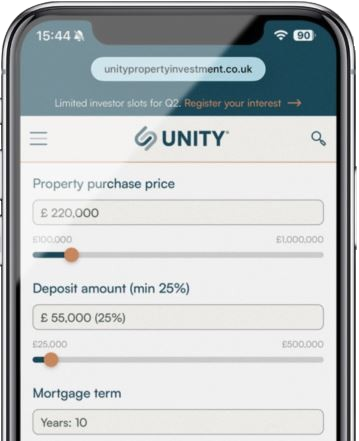
Buy to let investment and rental yield calculator
Buying with Tenants vs. Buying Vacant
Buying with Tenants
Buying Vacant
Case study
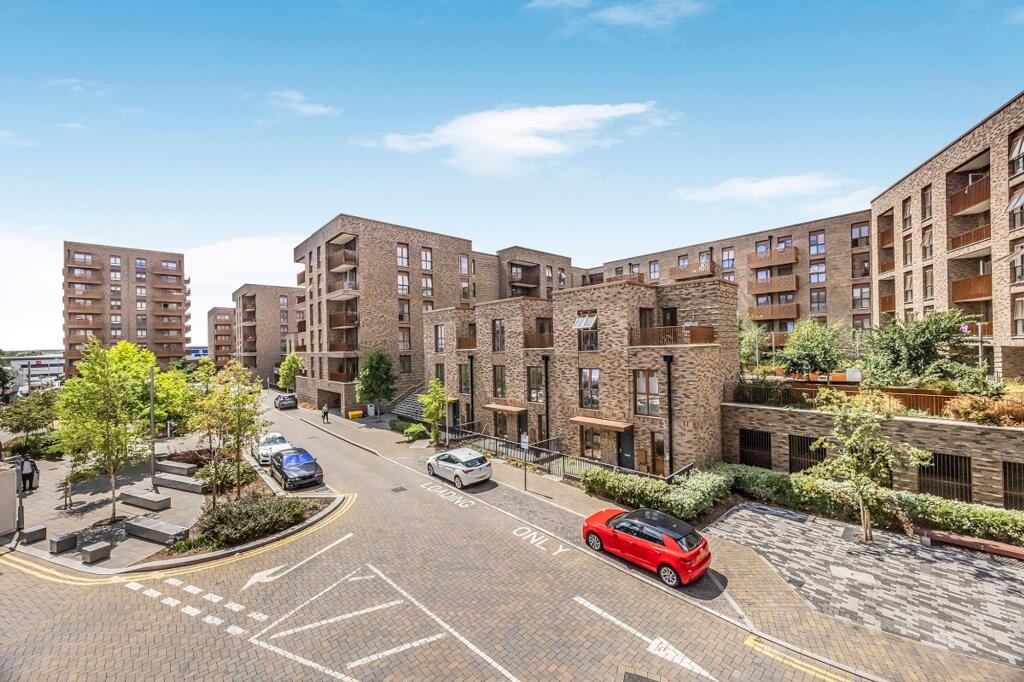
- Property Price:£300k
- Mkt Value at purchase:£320k
- Day one equity:£20,000
- Yield:6.8%
- ROCE:30.1%
.avif)