.jpg)





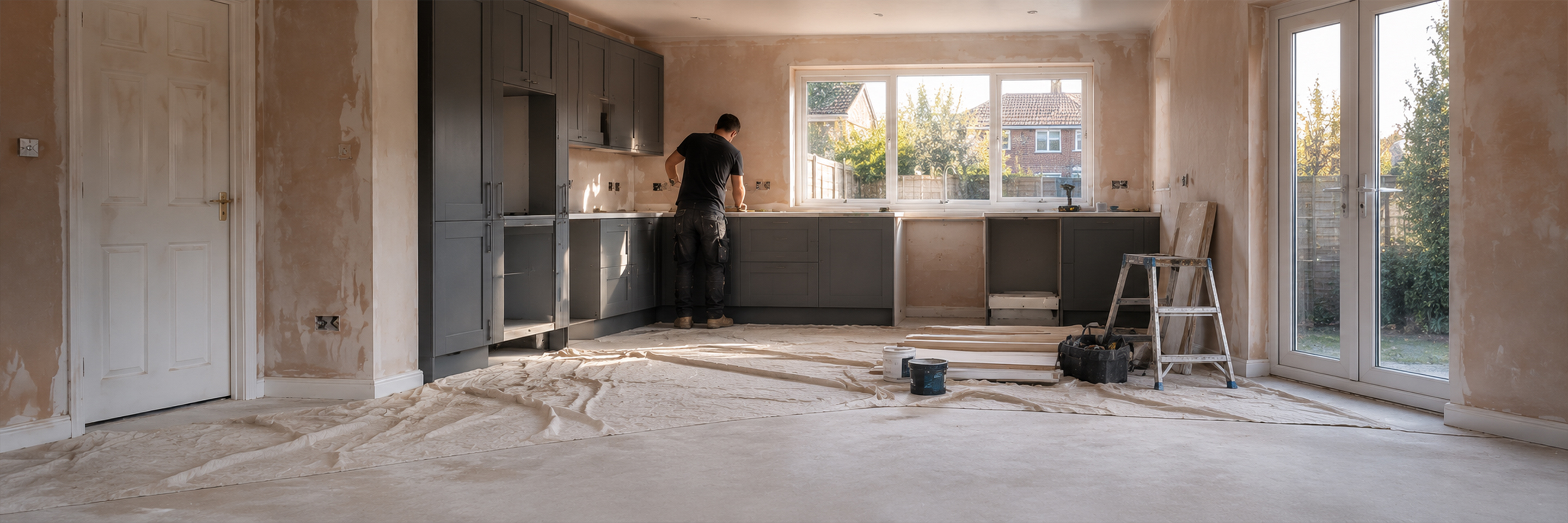


Property refurbishment is frequently misunderstood.
Among amateur buyers and casual landlords, the prevailing assumption is that property investing is largely a passive endeavour: buy a property, place a tenant, and wait for house prices to rise.
While that approach might have worked a decade ago, the modern UK real estate market requires a much more proactive mindset. Relying entirely on external market forces leaves your portfolio vulnerable to things you can't control.
Experienced investors think differently. Instead of waiting for the market to dictate the value of their portfolio, the best investors actively create value, improve properties, and increase their rental income.
Strategic refurbishment is one of the most powerful tools available to investors. When executed correctly, a buy to let refurbishment is not merely a cosmetic exercise in interior design; it is a carefully planned strategy based on real numbers. It serves to upgrade the property, attract better tenants, and dramatically improve long-term performance.
This article explains the exact mindset, process, and real-world strategies we use at Unity to evaluate, execute, and capitalise on refurbishment projects.
Executive Summary
At Unity, we treat property refurbishment as a strict, mathematically driven financial strategy rather than a cosmetic exercise, which completely eliminates emotional bias from the decision-making process. Before we even acquire an asset, we start by determining its maximum potential end value based on real, hyper-local comparable data. We then work backwards to create a highly disciplined, standardised Schedule of Works that guarantees every pound spent directly increases rental income or forces capital appreciation.
By acquiring properties below their intrinsic potential, avoiding the trap of over-improvement, and controlling our costs through established trade networks, we actively manufacture immediate equity. This methodical, step-by-step approach allows our investors to secure premium tenants, drastically improve their Return on Capital Employed (ROCE), and unlock opportunities to refinance and scale their portfolios efficiently.
Why We Refurbish Properties
When you approach property investing professionally, every pound spent must serve a clear purpose. The overarching goal of an investment property renovation is not simply to spend money making a house look pretty. The goal is to generate a measurable return on the capital you've invested.
At Unity, we undertake refurbishment projects to achieve six primary outcomes:
- Increasing Market Value and Creating Equity: By acquiring a property that needs work or suffers from deferred maintenance, we can actively force capital appreciation. When the value added exceeds the project costs, we create immediate equity.
- Increasing Rental Income: Tired properties command average, baseline rents. Conversely, fully modernised properties establish what similar refurbished properties are actually achieving in rent today. Strategic improvements secure a premium rental rate.
- Improving Tenant Appeal: Premium properties attract premium tenants. A high-quality refurbishment draws in stable professionals who want a modern living environment, reducing operational headaches and void periods.
- Creating Refinance Opportunities: Equity creation unlocks the potential to reinvest your capital. We can refinance the newly improved property to extract the initial capital, which supports future portfolio growth.
- Reducing Maintenance Issues: A heavy refurbishment frontloads your spending, proactively fixing plumbing, roofing, and electrical vulnerabilities before they become midnight emergencies.
- Extending Asset Lifespan and Ensuring Compliance: Upgrading the core fabric of the building future-proofs the asset against tightening legislative standards, like the upcoming EPC regulations.
How Unity Approaches Refurbishment Projects
At Unity, we do not view refurbishment as a standalone building project. It is a core part of our investment strategy. Here is exactly how we identify, assess, and manage these projects on behalf of investors.
Start With the End Value
We do not begin with the refurbishment budget. We begin by assessing the likely end value of the property once it is refurbished.
Before an offer is even made, we rigorously analyse refurbished comparable properties in the local area to establish:
- The expected market value after works.
- The expected rental value after works.
- The realistic price ceiling for that specific micro-location.
This gives us a realistic target valuation before any purchase decision is made.
Work Backwards From the Comparables
Once the likely end value is established, we compare our target property against those local comparables. We identify exactly what work is required and what specification level is needed to match the best houses on the street.
Crucially, we evaluate whether the property can genuinely achieve comparable values. We avoid blindly assuming a property will achieve a premium price unless there is clear, undeniable evidence from local data.
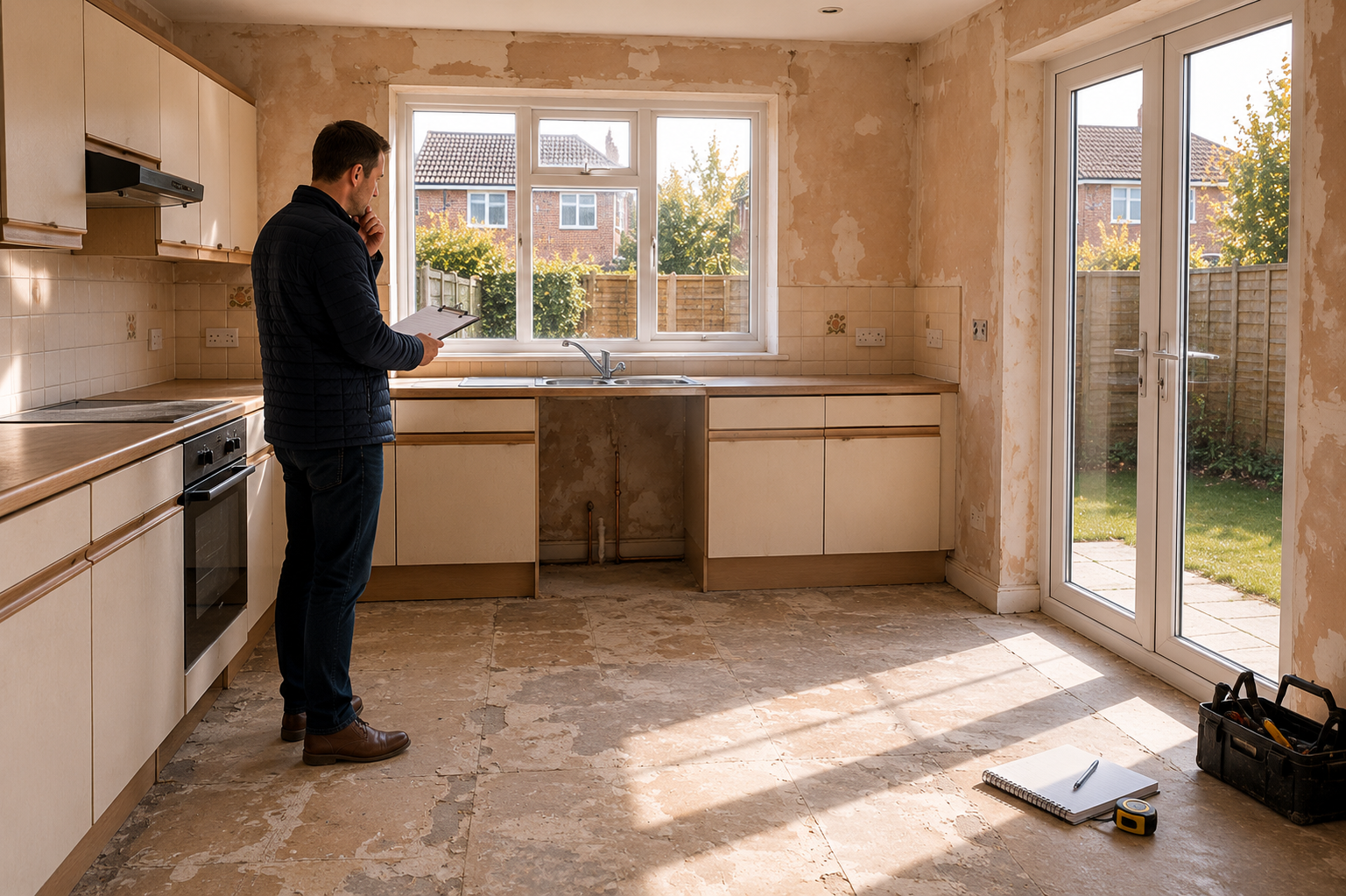
Underwrite the Refurbishment
Next, we conduct a full property investment appraisal. We estimate the refurbishment costs, acquisition costs, stamp duty, legal fees, and financing costs.
This allows us to calculate:
- Total capital invested.
- Expected end value.
- Equity created.
- Potential refinance position.
- Potential rental uplift.
The objective is simple: does the refurbishment create sufficient value relative to the risk and capital invested? If the numbers don't work, we walk away.
Standardised Schedule of Works
Every project is scoped using a standardised Schedule of Works. This is built into our appraisal process before an investor ever commits to a property.
By using a detailed schedule, we can clearly define the project scope, compare contractor quotations accurately, control costs, and dramatically reduce surprises once the builders start swinging hammers. The emphasis is on process and consistency, not ad-hoc project management.
Contractor Management
At Unity, we maintain a preferred contractor network that we use across our projects. We select our contractors based on previous project performance, quality of workmanship, reliability, and value for money. Using an established network helps reduce project risk, prevents timeline blowouts, and ensures delivery consistency across the portfolio.
Procurement
We procure materials through established trade supplier relationships. Through our trade procurement network, including supplier relationships and buying groups, we're often able to secure materials at significantly lower costs than retail pricing. This helps control our property refurbishment costs and improves the overall economics of the project.
Vacant Possession vs Tenanted Refurbs
Not every refurbishment begins with an empty property. Some properties are acquired with tenants already in place. In these situations, we assess whether improving rental performance can be achieved through management and rent reviews alone, or whether a future refurbishment may create additional value once the property becomes vacant.
Focus on Return on Investment
Ultimately, our decision-making process always links back to financial outcomes. Refurbishment is not primarily about aesthetics; it is about increasing rental income, creating equity, improving tenant demand, supporting future refinancing, and enhancing long-term asset performance.
Step 1: Assessing the Opportunity Before Purchase
The success of a project is determined long before you pick up the keys.
Locational Due Diligence
You cannot successfully refurbish a property beyond the economic ceiling of its location. We rely on comprehensive analysing property deals frameworks to ensure the area has strong demand. For example, prime London commuter corridors consistently perform well due to exceptional transport infrastructure and a severe lack of high-quality housing supply.
Assessing Current Condition
Never rely solely on an estate agent's visual appraisal. A robust property due diligence checklist mandates the instruction of independent, fully qualified RICS professionals to conduct comprehensive structural surveys. This quantifies the hidden risks that blow budgets apart.
Comparable Evidence and Value Uplift
To know exactly how to add value to a property, you must establish the local market ceiling. We use high-authority data sets, such as the UK House Price Index reports, to cross-reference macro trends, while analysing street-level comparables to find the maximum potential value.
The goal is not to build the nicest property on the street. The goal is to create the strongest return on investment.
Adding value to property relies on distinguishing between improvements that generate a measurable return and those that serve only aesthetic vanity.
Step 2: Calculating Refurbishment ROI
A complete appraisal requires measuring proposed property refurbishment costs strictly against the anticipated financial uplift.
We focus on Return on Capital Employed (ROCE), frequently referred to as the Cash-on-Cash Return.
The approach is practical and straightforward:
- Calculate total cash invested: Add up your deposit, stamp duty, legal fees, broker fees, and refurbishment costs.
- Determine net annual profit: Take your annual rental income and subtract all operating expenses (mortgage, management, insurance, etc.).
- Find your ROCE: Simply divide your net profit by your total cash invested.
By frontloading capital to create equity, you improve your loan-to-value (LTV) ratio upon refinancing, which fundamentally improves the long-term safety and performance of the property.

Step 3: Prioritising Improvements That Matter
Adding value to property relies on distinguishing between improvements that generate a measurable return and those that serve only aesthetic vanity.
Here is a quick-reference guide to standard benchmark costs for core residential projects, and how we approach them:
Beyond the broad figures, here are the specific areas we focus our capital on:
- Kitchens & Bathrooms: These are the anchors of rental appeal. We prioritise high-durability, modern finishes. They establish the top end of the rent and appeal instantly to high-quality tenants.
- Flooring: We view flooring strictly through the lens of longevity. High-traffic areas get heavy-duty luxury vinyl tile (LVT), saving thousands in replacement costs over a ten-year hold.
- EPC Improvements: By October 2030, properties must meet a minimum EPC of Band C. Following the government's MEES landlord guidance, astute investors integrate insulation and heating upgrades immediately to guarantee legal compliance and unlock cheaper "green mortgage" rates.
- Decoration: Utilising a consistent, neutral colour palette ensures the property appears bright and meticulous, while streamlining touch-ups between tenancies.
What We Don't Refurbish (Avoiding Over-Improvement)
Just as important as knowing what to upgrade is knowing what to leave alone. At Unity, we avoid over-improving properties.
- We don't fit £20,000 kitchens into £150,000 houses.
- We don't install luxury finishes that tenants won't pay extra for.
- We don't spend money simply because a property "looks nicer".
The goal is not to build the nicest property on the street. The goal is to create the strongest return on investment.
Refurbishment Is Not Always The Right Answer
Some of the best investments require little or no refurbishment. If a property already achieves market rent and is in good condition, spending additional capital may not improve returns. At Unity, we only recommend refurbishment where the expected uplift justifies the cost and risk involved.
Step 4: Increasing Rental Income
The objective of an income-producing strategy is to secure sustainable, long-term cash flow.
- Achieving Market Rent: A substandard property will forever be anchored to the bottom quartile. By elevating the specification, you can confidently demand the maximum market rent.
- Appealing to Better Tenants: Fully modernised properties naturally filter for reliable, well-capitalised professionals who tend to stay longer and treat the property with respect.
- Reducing Void Periods: Highly specified properties let significantly faster, neutralising the financial drag of extended vacancy.
- Tracking the Data: Understanding how to increase rental value and successfully increase rental income means following the data. The Office for National Statistics (ONS) provides vital tracking on private rental price inflation, helping investors benchmark their assets.


Portfolio projection tool

Step 5: Avoiding Common Refurbishment Mistakes
Even structurally sound properties can become financial liabilities if basic rules are ignored.
- Over-Improving: Failing to match the specification to the local property value traps unrecoverable capital inside the asset.
- Underestimating Costs: We always pad our budgets by 10% to 20% to absorb hidden defects or raw material inflation.
- Poor Contractor Management: Utilising unvetted tradespeople results in prolonged delays, which are financially lethal when holding short-term finance.
- Focusing on Aesthetics Over Returns: If a proposed cosmetic upgrade does not directly increase the surveyor's valuation or tangible rent, we don't do it.
Real Example: The Unity Process in Action
To show how this thought process works in the real world, let's look at what makes a good investment property through a recent Unity acquisition in Maidstone.
We acquired a property with strong potential but a significant need for improvement, securing it for well under its true worth. Following our process, we worked backwards from the comparable data on the street, implemented our standardised Schedule of Works, and used our preferred contractor network.
The Financial Result:
- Purchase Price: £167,500
- Market Value at Purchase (Unmodernised): £200,000
- Buying Costs: £16,225 (Includes £9,225 stamp duty, £2,000 legals, and £5,000 auction fees)
- Refurbishment Budget: £33,000
- Total Capital Deployed: £216,725
- Potential End Value (GDV): £275,000
- Market Rent (Current): ~£1,100 pcm
- Market Rent (Post Refurbishment): ~£1,350 pcm
This deal perfectly demonstrates our core strategy. By buying below market value and executing a strictly controlled £33,000 refurbishment, we pushed the potential end value to £275,000. Factoring in the purchase price, refurbishment, stamp duty, legals, and auction fees (a total investment of £216,725), we have the potential to create circa £58,275 of equity. Not only does this secure a substantial rental uplift, but it also creates an excellent opportunity to refinance and pull capital out for the next investment.
How Refurbishment Fits Into Long-Term Portfolio Growth
Refurbishment shouldn't be an isolated event. It is the engine that drives your wider investment strategy.
For busy professionals deploying £50,000 to £150,000+ per property, effective growth requires transitioning from a reactive landlord to an active asset manager.
Once the initial refurbishment is complete, the newly stabilised asset becomes a reliable income generator with highly predictable maintenance costs.
By relying on professional property management frameworks, investors can detach themselves from daily operational friction. This unbroken loop - buying right, improving smartly, and managing professionally is the bedrock of property asset management and the proven way to build long-term wealth.
Conclusion
The property market can be deeply unforgiving to those who treat real estate as a passive vehicle for speculative growth. Experienced investors do not just hope for appreciation; we actively create value.
When guided by careful due diligence, disciplined cost control and a clear understanding of local tenant demand, strategic refurbishment dramatically increases your rental income. By creating equity from day one, you establish a robust protective buffer against market changes and open the door to recycling your capital.
Ultimately, when approached as a step-by-step process rather than an emotional DIY project, property refurbishment transforms standard houses into highly efficient, cash-flowing assets.
-v1.avif)
Get investor insights and early access to opportunities
Join our investor briefings for structured insights, market updates, and priority access to new deals.

No spam, just timely insights for investors We respect your privacy and never sell your data
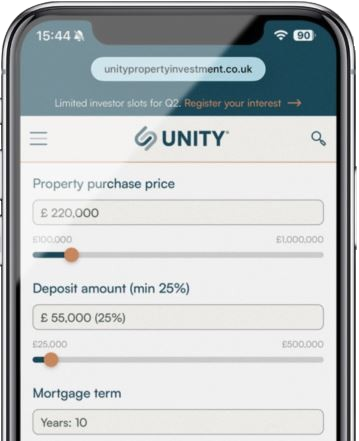
Buy to let investment and rental yield calculator
.png)
Standard Schedule of Works: Cost Parameters and Impact
Project Component
Typical Cost Range (2026)
Strategic Impact & Professional Considerations
Case study
- Property Price:£300k
- Mkt Value at purchase:£320k
- Day one equity:£20,000
- Yield:6.8%
- ROCE:30.1%
.avif)