
.jpg)







Understanding how long a buy-to-let purchase takes is an essential foundation for successful property investment, directly impacting how quickly you can deploy capital, execute refinancing strategies, and scale your portfolio growth. While highly straightforward, chain-free transactions can technically complete in as little as 8–12 weeks, the reality of the current market means the average UK property purchase takes closer to 16–20 weeks from the moment an offer is accepted through to final completion.
Executive Summary
Before diving into the granular details of each conveyancing stage, this executive summary provides a high-level overview of the typical transaction lifecycle and the critical factors that dictate the speed of your acquisition.
Key Takeaway:
Most buy-to-let purchases complete within 8-20 weeks. Chain-free properties, pre-approved finance and experienced solicitors can significantly reduce delays.
For property investors, timelines can vary significantly depending on mortgage underwriting, property chains, leasehold complexities, local authority searches, and whether the property is purchased through an SPV limited company.
This guide explains the typical buy-to-let purchase timeline in the UK, common causes of delay, and the strategies experienced investors use to complete transactions faster. Understanding these temporal dynamics is a core component of any robust buy to let investment guide.
Average Buy-to-Let Purchase Timeline at a Glance
Offer Accepted → Mortgage Application → Searches & Surveys → Conveyancing → Exchange → Completion
The lifespan of a property acquisition can be segmented into distinct, sequentially dependent phases. While concurrent processing is occasionally possible, the transaction is ultimately governed by the speed of the slowest variable.
Table 1 outlines the optimal durations expected, providing a baseline expectation for investors plotting out their capital deployment schedules.
The data reveals that achieving the optimal target requires seamless execution across all five stages. The variance between a rapid completion and a protracted ordeal is largely determined by the investor's upfront preparation, the operational efficiency of their chosen legal representatives, and the inherent complexity of the asset being acquired.
Stage 1: Offer Accepted
The formal timeline of a property purchase commences the moment a seller accepts an offer. However, the subsequent days are critical in setting the pace for the entire transaction. The primary objective during this initial phase is to move swiftly from a verbal or digital agreement to the issuance of a formal Memorandum of Sale.
The negotiation phase itself requires precision. Investors securing assets below market value must demonstrate immediate credibility to the seller. This involves providing unimpeachable proof of funds and demonstrating a readiness to proceed. Once the price is agreed upon, the estate agent or the sourcer must issue the Memorandum of Sale. This is a non-legally binding document that formally records the agreed terms of the transaction, detailing the purchase price, the identities of the buyer and seller, and the contact information for both parties' conveyancing solicitors. The legal transfer process cannot officially begin until this document is circulated to all relevant stakeholders. The methodologies used to secure these agreements efficiently are further detailed on our dedicated page outlining how we source properties.
In the contemporary regulatory environment, property professionals are bound by stringent Anti-Money Laundering (AML) regulations. Before a Memorandum of Sale is circulated, the investor must rigorously prove their identity and the legitimate source of their deposit funds. For investors purchasing through a Limited Company, this requires providing certificates of incorporation, shareholder registers, and identification for all directors with a significant shareholding. Delays at this stage are entirely avoidable. Astute investors maintain a constantly updated portfolio of identity documents and bank statements, allowing them to clear AML checks within 24 hours. The speed of this initial phase relies heavily on having a professional team pre-assembled. Delaying the instruction of a solicitor until after the offer is accepted can needlessly add several weeks to the timeline, as the solicitor will need to issue client care letters, request upfront fees for searches, and conduct their own internal AML audits before opening the file. Engaging a firm experienced in investor-specific transactions is a fundamental tenet outlined in property investment for beginners.

Stage 2: Buy-to-Let Mortgage Application
A critical query among market participants is precisely how long does a buy to let mortgage take? While high-street lenders frequently advertise rapid turnarounds for standard residential mortgages, the buy to let mortgage process is fundamentally different. Lenders assess the commercial viability of the asset alongside the borrower's personal background, necessitating a more intricate underwriting procedure.
The process typically begins with an Agreement in Principle (AIP), which can usually be obtained within 24 hours. However, this is merely an algorithmic indication of borrowing capacity based on a soft credit footprint. Once the offer is accepted, the broker submits the full application, triggering the formal underwriting process. Mortgage underwriting is the critical phase wherein a lender’s risk assessment team takes an in-depth look at the borrower's credit history, financial background, and the commercial viability of the property. The underwriting timeline typically consumes between 3 to 15 business days, though complex files can take significantly longer.
For commercial applications, underwriters conduct rigorous financial stress tests. They evaluate whether the projected rental income can cover the mortgage payments at a stressed interest rate, an equation central to determining buy-to-let profit and cash flow. If the figures are marginal, the underwriter may request further evidence of personal income to support the application, leading to a status of conditional approval until the documentation is provided. Understanding these calculations requires a solid grasp of how to work out rental yield, using a tool such as our buy-to-let calculator can help with this process.
A significant regulatory bottleneck exists for individuals classified as "Portfolio Landlords." The Prudential Regulation Authority (PRA) defines a portfolio landlord as an individual or corporate entity holding four or more mortgaged buy-to-let properties. Lenders are required by the PRA to stress-test not just the new property being acquired, but the investor's entire background portfolio. Underwriters will demand a comprehensive business plan, cash flow forecasts, and a detailed spreadsheet outlining the addresses, current values, outstanding mortgage balances, and rental incomes of all existing assets. Gathering, validating, and underwriting this mass of data can add an extra block of time to the mortgage timeline.

While highly straightforward, chain-free transactions can technically complete in as little as 8–12 weeks, the reality of the current market means the average UK property purchase takes closer to 16–20 weeks.
Transactional delays cost investors yield, capital efficiency, and momentum. Investors seeking to scale portfolios often prioritise chain-free assets, experienced conveyancers and specialist brokers to reduce transactional friction.
Stage 3: Searches and Surveys
Once solicitors are formally instructed, they will order a suite of property searches. For many stakeholders tracking their transaction, the question of how long do searches take on a property is a major point of strategic forecasting. Searches are non-negotiable for anyone utilizing institutional finance, as lenders require absolute certainty regarding the legal and environmental risks surrounding the asset.
A standard conveyancing search pack comprises three primary elements. The Drainage and Water Search confirms whether the property is connected to a public sewer and mains water supply, generally returning within a few days. The Environmental Search highlights risks such as land contamination, flood risk, and ground stability issues related to historical mining activity, usually returning within 48 hours. The primary cause of systemic delay is the Local Authority Search. This search queries the local council's registers for critical information regarding planning permissions, building control history, highway boundaries, and upcoming local developments.
The UK government target for returning local authority searches is 10 working days. However, the data reveals a starkly different reality, prompting the question: how long do local authority searches take in practice? On average, a local authority search takes several weeks, and in severely backlogged municipalities, it can stretch significantly longer. Recent cyber incidents affecting local authorities have highlighted how search delays can unexpectedly extend transaction timelines. While cyberattacks are extreme examples, local authorities routinely suffer from IT upgrades, staff absences, and seasonal administrative backlogs that drastically impact turnaround times.
Distinct from the lender's valuation, a buyer's survey assesses the structural condition of the building. The time it takes to arrange a surveyor and receive the report is typically one to three weeks. The survey typeranging from a basic Condition Report to a comprehensive Level 3 Building Surveydpends on the age and complexity of the property. If the survey uncovers severe issues, such as damp or structural movement, renegotiation of the purchase price is required, extending the timeline further. The long-term financial implications of these structural discoveries highlight the importance of understanding the comprehensive costs of being a landlord.
Stage 4: Conveyancing Process
When property professionals are asked why is conveyancing taking so long, the answer inevitably points to the intricate legal enquiries phase. Conveyancing is a meticulous process of legal risk mitigation, and the average time for the legal work alone requires several weeks of concerted effort.
Upon receiving the draft contract and the seller's property information forms, the buyer's solicitor will thoroughly review the title register at title register at HM Land Registry. Once the search results and survey reports are received, the solicitor collates all discrepancies and raises enquiries with the seller's solicitor. Enquiries are specific questions demanding legal or documentary clarification. For instance, if the local search shows an extension was built, the solicitor will demand the building regulations completion certificate. This stage can consume a significant portion of the transaction lifecycle, characterised by a continuous back-and-forth between solicitors, often delayed by a seller taking days to locate historical paperwork.
Historically, delays in the enquiries phase stemmed from critical property information being obscured. To combat this, the Digital Markets, Competition and Consumers (DMCC) Act made it a legal requirement to disclose comprehensive Material Information upfront on property listings. This includes data on tenure, ground rent, service charges, and building safety. Government trials indicate that having this conveyancing-grade data available at the point of listing can speed up transactions by up to four weeks. By shifting the investigative burden earlier, solicitors raise fewer enquiries, accelerating the timeline.
The tenure of the property is another massive structural factor impacting the conveyancing duration. Table 2 highlights the timeline disparities and operational complexities between freehold and leasehold properties.
Leasehold properties inherently take longer because they involve a third party: the freeholder or the managing agent. The seller must pay for and request a Leasehold Management Pack, detailing service charge accounts, future major works notices, ground rent schedules, and building insurance policies. Managing agents are notoriously lethargic, and obtaining this pack routinely inserts a multi-week delay into the timeline. Once received, the solicitor must meticulously review the lease for clauses that might breach the lender’s stringent criteria.
A scenario unique to the investment market is purchasing a property with a tenant in situ. This means the property is sold without vacant possession, and the existing tenant remains in the property, seamlessly transferring their rental agreement to the new owner upon completion. While highly attractive because rental income begins immediately, which provides a boost to the annualised average rental yield, it does however add severe technical complexities to the conveyancing timeline. The buyer effectively inherits the existing Assured Shorthold Tenancy (AST). The solicitor must forensically audit the tenancy, verify the rent payment history to ensure there are no arrears, and confirm the existence of valid safety certificates. Crucially, the solicitor must manage the precise transfer of the tenant's deposit between government-approved Tenancy Deposit Schemes. Allowing gaps in deposit protection creates immense legal liability. Ensuring these mechanisms are airtight adds considerable legal work, slowing the process but securing the asset's commercial viability prior to handover to property management.

Exchange and Completion
The culmination of the legal process is the exchange of contracts, closely followed by formal completion. Up until the exchange of contracts, the transaction is not legally binding. Either party can withdraw without legal penalty, a vulnerability that results in the collapse of nearly one in three agreed sales. Exchange occurs when both solicitors confirm they hold identical contracts and formally agree to exchange them, rendering the transaction legally binding. Prior to exchange, the buyer must transfer their exchange deposit to their solicitor's client account.
A frequent query concerns how long between exchange and completion the market standard dictates. Usually, there is a period of one to three weeks between the two milestones. This gap provides the buyer time to arrange buildings insurance, organise logistics, and gives the lender the requisite notice to draw down the mortgage funds and transfer them to the solicitor via the banking system. However, it is increasingly common for the exchange and completion to happen on the exact same day. While this compresses the timeline rapidly, it is highly stressful; if mortgage funds are delayed in the banking system, the buyer is in immediate breach of contract.
Completion day is the day legal ownership formally transfers. The buyer's solicitor sends the remaining balance of the purchase money to the seller's conveyancer. Once the seller's solicitor confirms receipt of the funds, they instruct the estate agent to release the keys to the buyer. Post-completion, the solicitor will pay the relevant property taxes and register the new ownership with HM Land Registry, a purely administrative process that can take many months due to government backlogs.
Common Causes of Delay
Understanding the baseline timeline is only half the equation; anticipating systemic failures is what separates amateur buyers from seasoned investors.
Property chain delays are the most destructive element of the open market. A property chain exists when a buyer relies on the sale of their existing home to fund their new purchase, and their seller is simultaneously buying another property. In a chain, multiple transactions are inextricably linked; no one can exchange or complete until everyone in the chain is entirely ready. If a survey fails at the bottom of the chain, or a mortgage expires at the top, the entire sequence collapses or faces severe delays stretching into months. Conversely, properties sold by investorssuch as ex-rentals or inherited assetsre typically chain-free. Market observers frequently track the influx of these highly desirable, chain-free assets when analysing whether landlords are selling up.
Slow communication from solicitors is another primary friction point. According to industry data, over a quarter of formal complaints regarding conveyancers relate directly to a failure to communicate. The transaction is limited by the speed of the slowest party. A slow seller's solicitor can completely stall a highly motivated buyer.
Furthermore, critical documents have a finite lifespan. Mortgage offers typically expire after three to six months, and local authority searches are generally deemed unreliable by lenders after six months. If a transaction is dragged out by a property chain or a leasehold dispute, these documents may expire, forcing the investor to reapply for finance or repurchase searches, adding further delays.
How Investors Speed Up Transactions
Seasoned investors structure their operations to bypass these systemic delays, routinely completing transactions significantly faster than the national average. The table below outlines the strategic interventions utilised to overcome common bottlenecks.
The most potent way to accelerate a transaction is to alter the financing structure. Cash purchases eliminate weeks of underwriting, surveyor bookings, and lender-mandated legal requirements. Where liquid cash is unavailable, active investors frequently utilize bridging finance. Bridging loans are short-term, asset-backed lending facilities designed purely for speed. Because they do not rely on rigorous rental stress tests, bridging finance can wrap up a transaction within one month. The investor then executes their exit strategy by refinancing the bridging loan onto a standard institutional mortgage once the property is secured and stabilised.
Targeting specific asset profiles also dictates speed. Buying properties sold by other landlordssuch as ex-rentals or those with tenants in situequently means buying chain-free. Because the seller is not relying on the capital to purchase a residential home to live in, the emotional and logistical friction is removed, smoothing the path to a rapid completion. Exploring these specific asset profiles is a core part of evaluating investment opportunities.
When faced with a local authority taking months to return a search, investors and their solicitors can utilise a legal workaround known as Search Delay Indemnity Insurance. If an investor needs to legally commit to a purchase but is trapped in a local authority backlog, this insurance policy provides financial cover for the buyer and the mortgage lender against any adverse issues that would have been revealed by the delayed searches. This allows transactions to proceed without the physical search data, effectively bypassing the bureaucratic delay entirely.

Portfolio projection tool

Frequently Asked Questions
How long does a buy-to-let purchase take in the UK?
Most buy-to-let purchases complete within 8–20 weeks, depending on mortgage approval, searches, conveyancing complexity and whether the property is chain-free.
Can you buy a buy-to-let property in 4 weeks?
Yes, but usually only if the purchase is chain-free and funded with cash or bridging finance. Mortgage purchases typically take longer.
Why do buy-to-let purchases take longer than residential purchases?
Buy-to-let purchases often involve additional mortgage underwriting, rental stress testing, SPV company structures and portfolio landlord assessments.
How long do local authority searches take?
Local authority searches usually take between 2 and 6 weeks, although turnaround times vary significantly between councils.
How long does a buy-to-let mortgage take?
Most buy-to-let mortgage applications take between 3 and 6 weeks from submission to formal offer.
Does buying through an SPV take longer?
Purchasing through an SPV limited company can add additional steps, including company checks, personal guarantees and independent legal advice.
Does a leasehold property take longer to buy than a freehold?
Yes. Leasehold purchases often take longer because solicitors must obtain management packs, review service charges, and liaise with freeholders or managing agents.
Can buying with tenants in situ speed up a purchase?
Often yes. Properties with tenants in situ are frequently chain-free and generate rental income immediately, although additional legal checks are required.
What is the fastest way to complete a buy-to-let purchase?
The fastest transactions are typically cash purchases of chain-free properties using experienced conveyancers and pre-approved finance.
Conclusion
While some buy-to-let purchases complete within eight weeks, many UK transactions take significantly longer due to property chains, mortgage underwriting and legal complexities. Investors who prepare documentation in advance, work with experienced professionals and target chain-free opportunities can materially reduce delays and improve capital efficiency.
Understanding transacwtion timelines is an important part of successful portfolio building. By approaching acquisitions with institutional discipline, investors can deploy capital more effectively and scale with confidence.
The Unity Angle
At Unity Property Investment, our philosophy is centred on reducing friction throughout the acquisition process. Delays in property transactions can impact yield, capital efficiency and portfolio growth, which is why experienced investors often prioritise chain-free assets, specialist brokers and proactive conveyancing teams.
By combining institutional analysis with hands-on transaction management, investors can improve execution speed and deploy capital more efficiently. Whether assessing investment opportunities, building a long-term portfolio or refining acquisition strategies, preparation remains one of the most powerful tools for accelerating growth.
To learn more about our investment approach, explore our how it works, case studies and insights sections, or book a consultation to discuss your property investment objectives.
Conveyancing Timelines by Tenure Type
Property Tenure
Expected Legal Timeline
Primary Bottlenecks and Complexities
.png)
-v1.avif)
Get investor insights and early access to opportunities
Join our investor briefings for structured insights, market updates, and priority access to new deals.

No spam, just timely insights for investors We respect your privacy and never sell your data
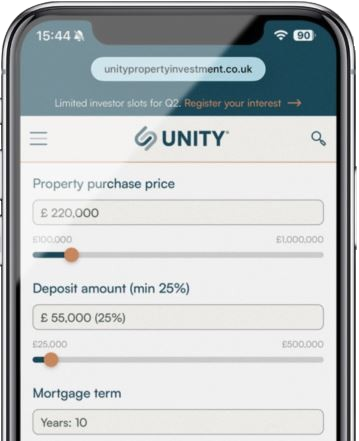
Buy to let investment and rental yield calculator
Average Buy-to-Let Purchase Timeline
Stage
Typical Time
Strategic Interventions to Accelerate Transactions
Systemic Bottleneck
Professional Investor Solution
Timeline Impact
Case study
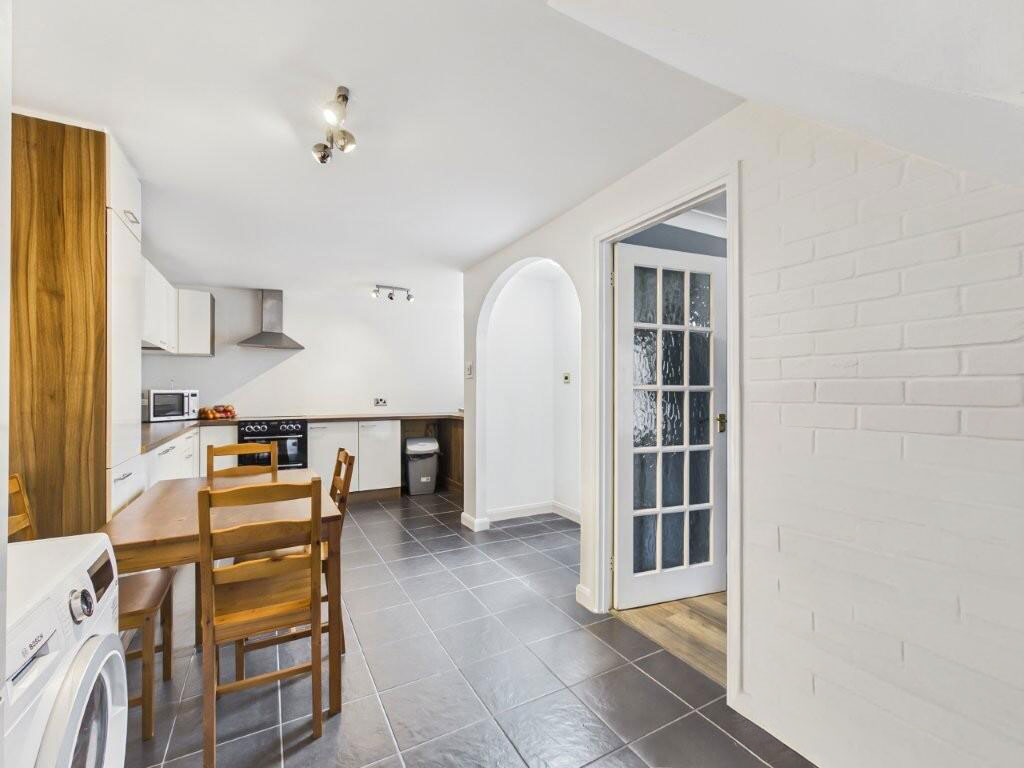
- Property Price:£275k
- Mkt Value at purchase:£290k
- Day one equity:£14,500
- Yield:7.2%
- ROCE:28.6%
.avif)


