.jpg)







Buy-to-Let Insurance Explained: What It Covers, Costs & How to Choose the Right Policy
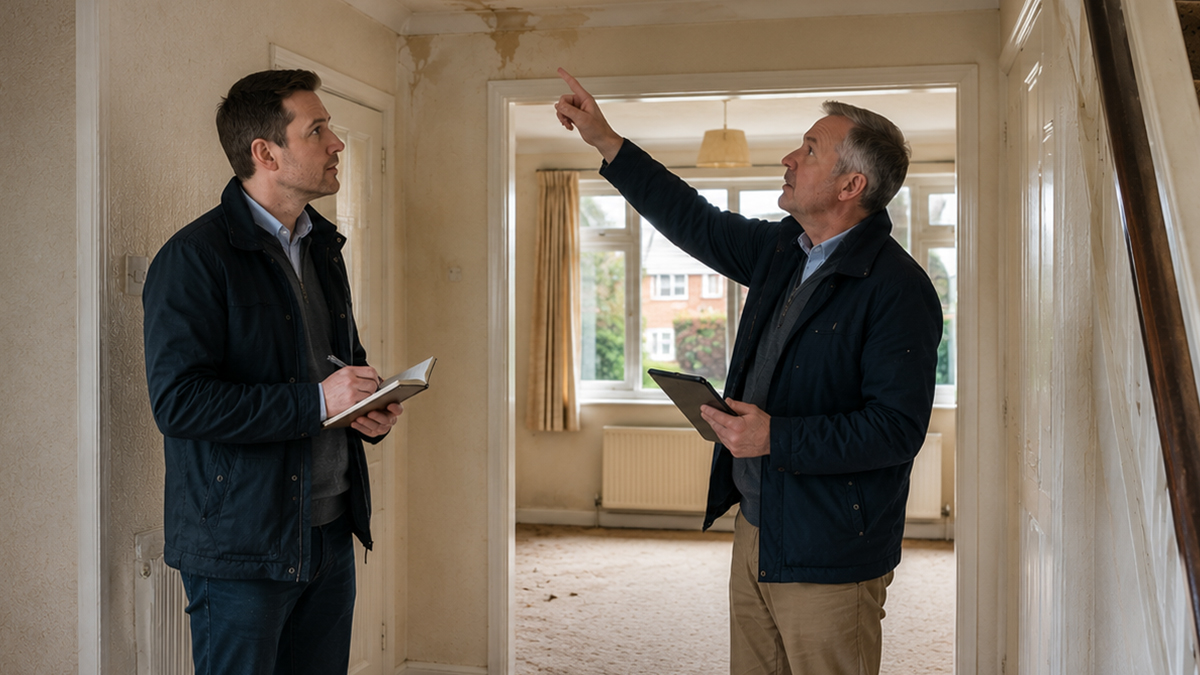
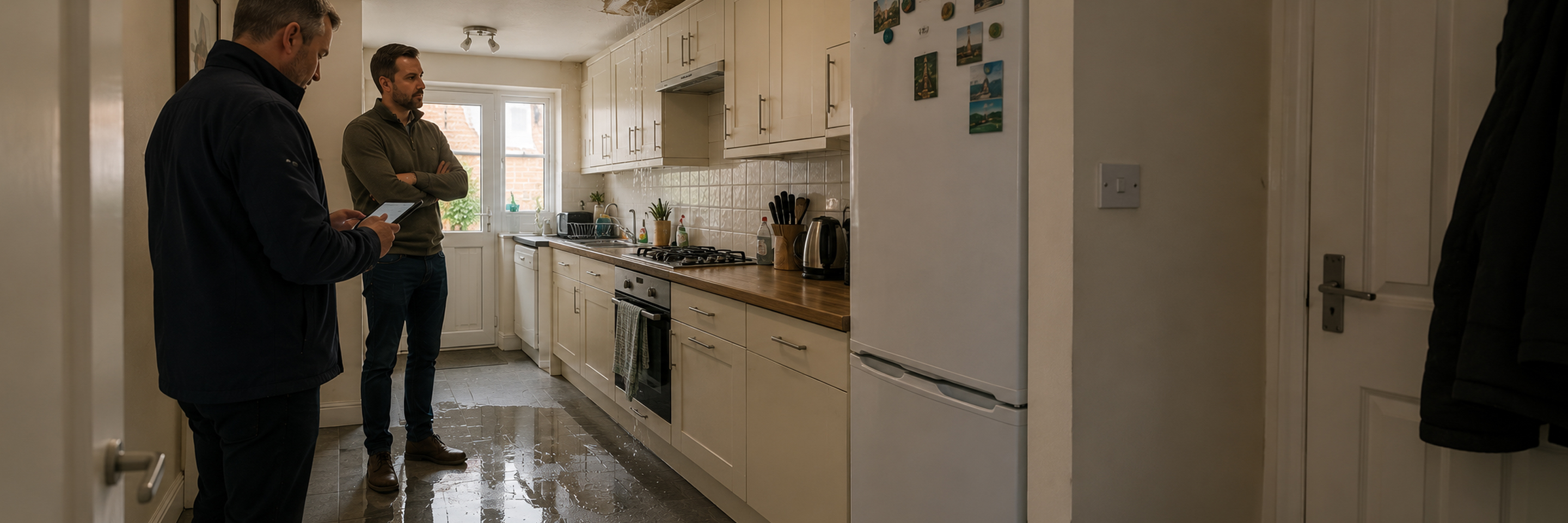
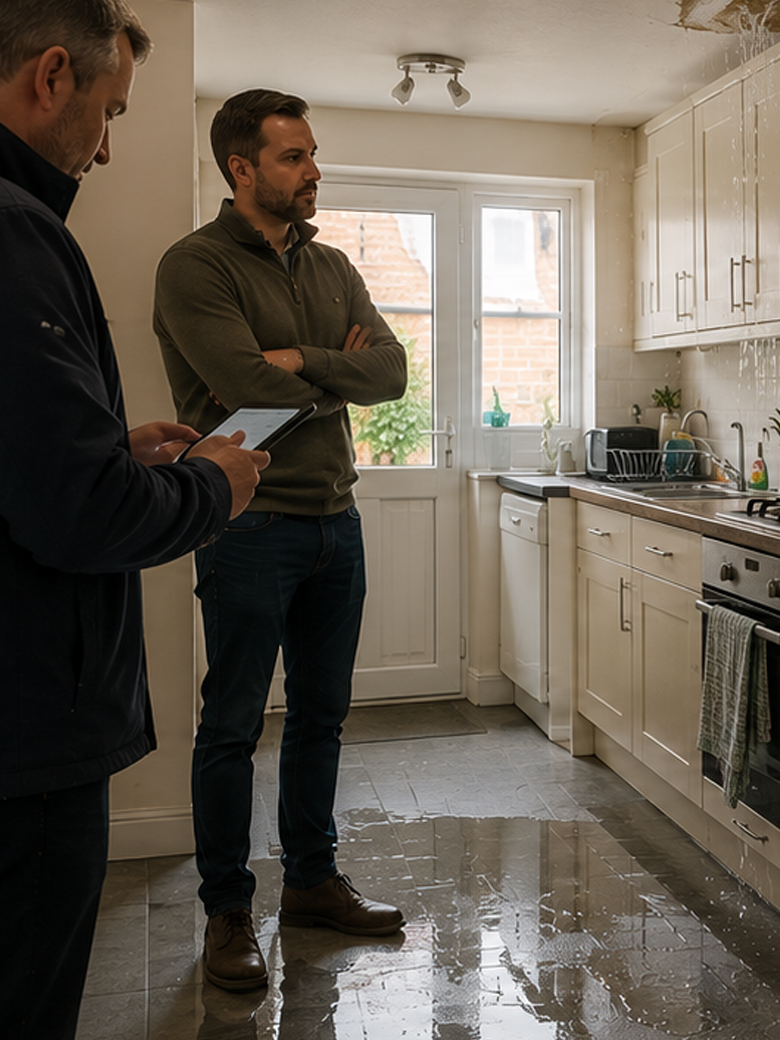
If you're buying a rental property, you're making a significant long-term investment. But becoming a landlord also means taking on new risks that standard home insurance simply wasn't built to handle. Whether it's a burst pipe ruining a newly fitted kitchen or a tenant suddenly falling behind on their rent, having the right protection in place is crucial to keeping your property and your profits safe.
We regularly review our insurance alongside mortgage costs, maintenance budgets, and management arrangements. It's not just a paperwork exercise; it's a core part of protecting long-term returns.
This guide - landlord insurance explained from an investor's perspective, shows exactly what buy-to-let insurance covers, how much it usually costs, and how to choose the right policy for your property business.
Executive Summary
Buying and managing residential property introduces a complex matrix of physical, financial, and legal liabilities. For UK property investors, buy-to-let landlord insurance serves as the primary mechanism for mitigating these risks, operating as a critical financial safeguard that protects both the physical structural asset and the ongoing rental income stream it generates. Residential rental properties face fundamentally different operational risks compared to owner-occupied homes, rendering standard residential home insurance universally invalid once a commercial tenancy commences.
This comprehensive report examines the buy-to-let insurance market in 2026. It details the core coverage mechanisms, regulatory requirements, premium cost drivers, and the strategic role of insurance within broader portfolio management. Furthermore, it highlights the profound impact of the Renters' Rights Act 2025 on the residential risk landscape, emphasizing the increased necessity for specialized legal and rent protection mechanisms in an era of evolving tenant rights.
Key Takeaways
- Policy Invalidation: Standard residential home insurance policies are unsuitable for rental properties and will be invalidated if a property is let to tenants.
- Lender Mandates: While not a statutory legal requirement for cash buyers, buy-to-let building insurance is a strict contractual condition of almost all buy-to-let mortgages.
- Comprehensive Coverage: A robust policy extends beyond the physical building structure, offering vital protections including property owners' liability, alternative accommodation, and loss of rent following an insured physical peril.
- The 2026 Cost Benchmark: The median average cost of a standard buildings-only landlord insurance policy in the UK in 2026 is £285 annually, though premiums fluctuate significantly based on property type, location, and tenant demographics.
- Legislative Shifts: The implementation of the Renters' Rights Act has fundamentally altered eviction timelines, increasing the strategic value of legal expenses and rent guarantee cover.
- Tax Efficiency: Buy-to-let insurance premiums are classified by HMRC as allowable business expenses, meaning they are fully tax-deductible against gross rental income.
The Quick Answer: Buy-to-let insurance (often called landlord insurance) protects your rental property against physical damage, liability claims, and loss of rental income. While not legally required in the UK, it is almost always a mandatory condition if you have a buy-to-let mortgage. A standard policy typically covers the building's structure and your liability as a property owner, with optional add-ons available for landlord contents, legal expenses, and rent protection.
What Is Buy-to-Let Insurance?
Buy-to-let insurance is a specialised type of cover designed specifically for property owners who rent out residential homes to tenants.
According to guidance from the Association of British Insurers (ABI), standard home insurance assumes you live in the property yourself. It expects that you will be there every day to monitor the home, maintain it, and spot emergencies like water leaks immediately. When you rent a property out, those daily risks change. You are no longer on-site, the property may sit empty between tenancies, and you take on new responsibilities for the safety of your tenants.
Specialised rental property insurance is vital because if you try to use a standard residential policy for a rental property, the insurer will simply invalidate the policy if you make a claim. In the event of a fire or flood, you would be left to cover the entire repair bill out of your own pocket.
Is Buy-to-Let Insurance a Legal Requirement?
There is no UK law that says you must have buy-to-let insurance. If you own your property outright with cash, you are technically free to operate without it.
However, in the real world, landlord insurance is essentially required for the vast majority of investors for two main reasons:
- Mortgage Lenders Require It: If you finance your purchase with a buy-to-let mortgage, your lender will make adequate buy-to-let building insurance a strict condition of the loan. They need to know their financial security is protected. This requirement is standardized across the industry by the UK Finance Mortgage Lenders' Handbook. If you let the insurance lapse, you breach your mortgage terms.
- Local Authority Licensing: If you operate a House in Multiple Occupation (HMO) or rent in an area with Selective Licensing, GOV.UK's renting rules and local councils often require you to prove you have valid property and liability insurance before they grant you a licence.
What Does Buy-to-Let Insurance Cover?
Understanding exactly what does buy-to-let insurance cover is the first step to building a robust policy. A good policy is actually a bundle of different covers that you can tailor to your specific property. Here is a breakdown of the core elements.
Buildings Insurance
This is the foundation of your policy. It covers the physical structure of the property, including the walls, roof, floors, and permanent fixtures like fitted kitchens and bathroom suites. It protects you against major events such as:
- Fire and smoke damage
- Storms and flooding
- Escape of water (burst pipes or leaks)
- Subsidence (subject to area history)
- Vandalism to the exterior
Important Note: You must insure the property for its rebuild cost, not its market value. The market value includes the price of the land and local demand. The rebuild cost is simply what it would cost in materials and labour to clear the site and rebuild the house from scratch.
Landlord Contents Insurance
If you rent your property part-furnished or fully furnished, landlord contents insurance covers the items you provide for the tenant. This typically includes freestanding appliances (like washing machines and fridge-freezers), carpets, curtains, and furniture.
Crucially, this does not cover your tenant's belongings. Tenants are responsible for buying their own renter's contents insurance.
Property Owners' Liability Insurance
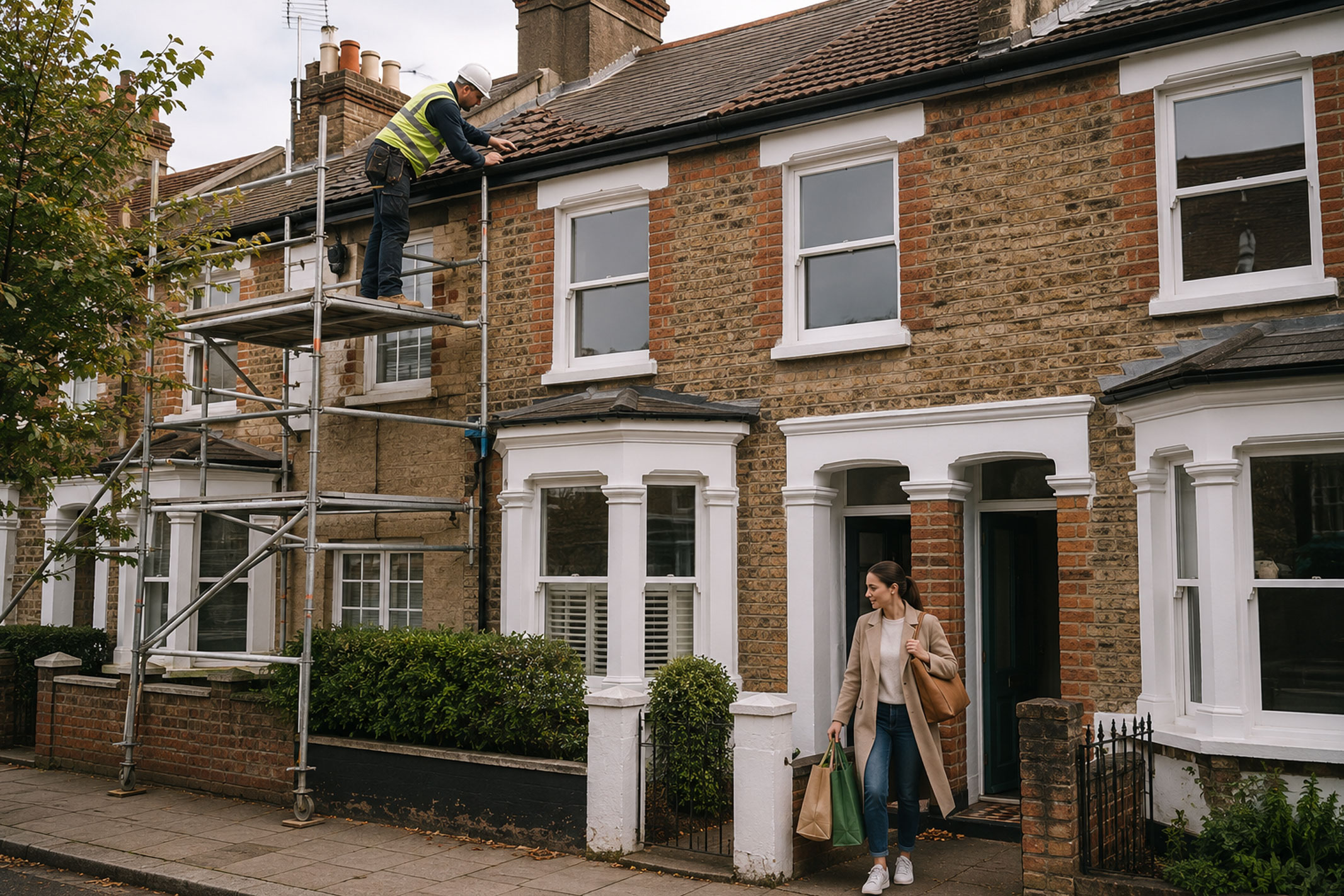
Landlords have a duty of care to ensure their properties are safe. If a loose floorboard causes a tenant to trip and break their leg, or a falling roof tile damages a visitor's car, you could be sued for negligence. Liability insurance covers your legal defence costs and any compensation awarded, usually up to £2 million or £5 million.
Loss of Rent Cover
If your property is severely damaged by an insured event (like a fire or major flood) and becomes completely uninhabitable, your tenant will have to move out and stop paying rent. Loss of rent cover replaces that lost income while the property is being rebuilt or repaired.
This is entirely different from rent guarantee insurance, which covers you if the property is perfectly fine but the tenant simply stops paying.
Alternative Accommodation
Closely tied to loss of rent, this covers the cost of putting your tenants up in temporary accommodation (like a hotel or short-term let) if the property is severely damaged by an insured event and they cannot live there.
Legal Expenses Cover
This covers the professional legal fees - often up to £100,000, involved in property disputes. This is incredibly useful for covering the costs of eviction proceedings, contract disputes, or pursuing tenants for property damage that exceeds their deposit.
Accidental and Malicious Damage
Standard policies cover sudden events like storms, but not always accidents. Accidental damage (e.g., a tenant dropping a heavy pan and cracking a ceramic hob) or malicious damage (a disgruntled tenant intentionally smashing doors) are usually optional extras.
What Isn't Usually Covered?
Understanding what your policy won't pay out for is just as important as knowing what it covers. Common exclusions include:
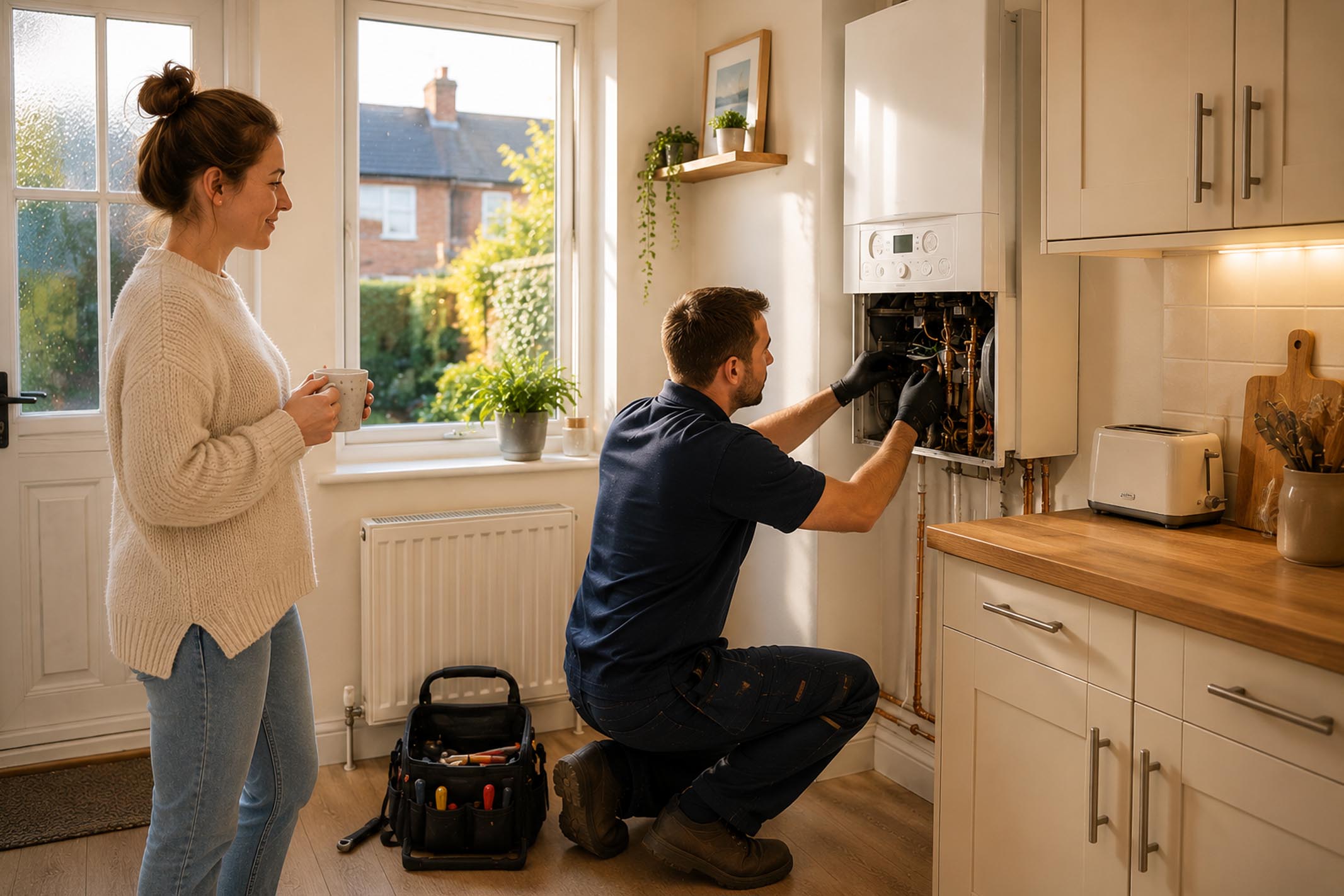
- Wear and Tear: Natural deterioration over time, like scuffed paint, worn carpets, or an old boiler finally breaking down, is an expected cost of doing business. Insurance won't pay for general maintenance.
- Poor Maintenance: If your roof leaks during a mild rainstorm because you haven't replaced rotting tiles for five years, your claim will likely be denied due to neglect.
- Tenant Possessions: The tenant's personal electronics, clothes, and furniture are never covered by your policy.
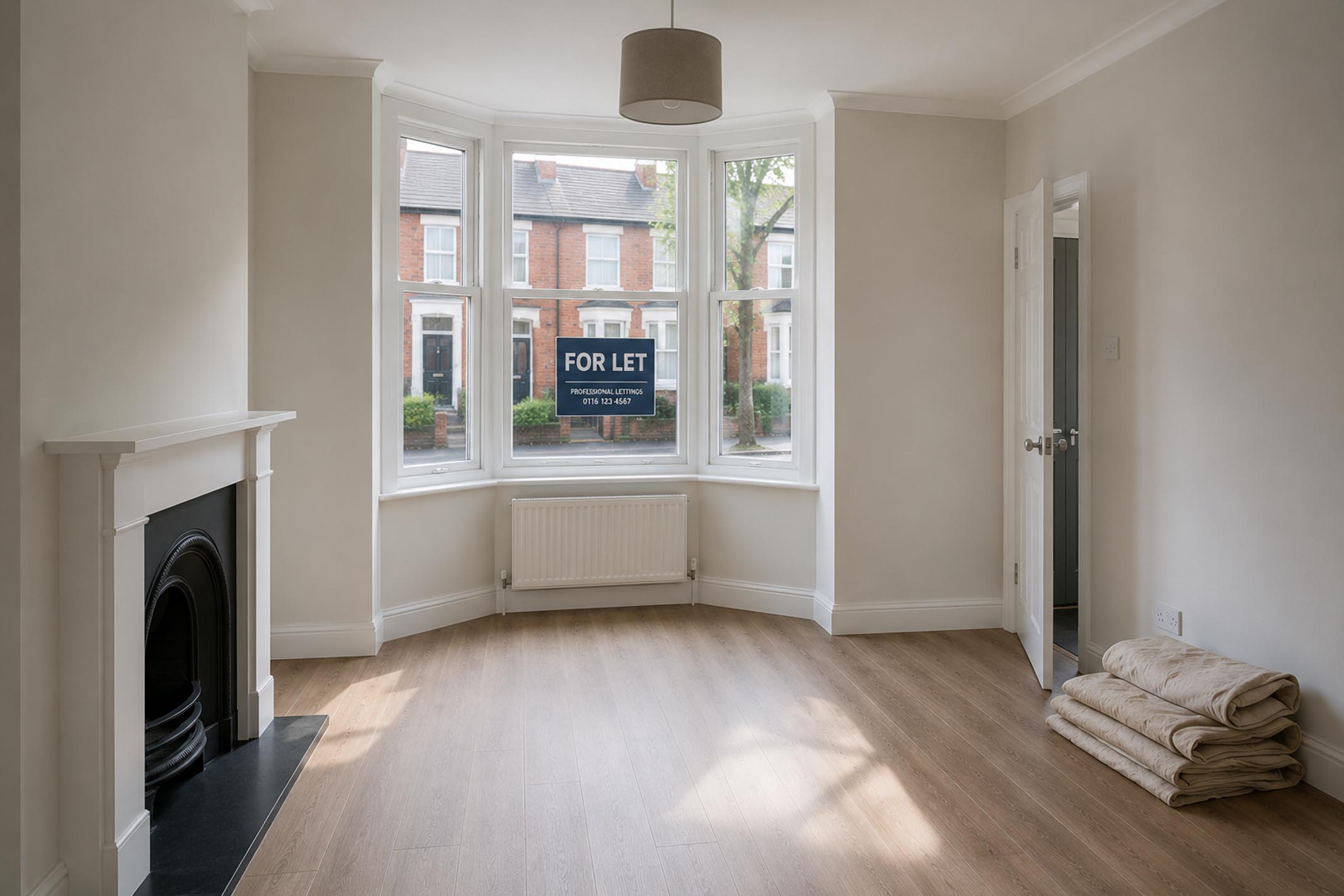
- Long-Term Vacant Properties: Standard policies usually only cover a property if it's left empty for up to 30 or 60 days. If it's empty longer than that, your cover will be restricted or voided entirely.
Buy-to-Let Buildings Insurance vs Landlord Contents Insurance
It's easy to get confused about where buildings insurance ends and contents insurance begins. Here is a quick breakdown:
Insurance shouldn't be viewed as another landlord cost. It's part of protecting the asset that generates your long-term returns.
The cheapest policy isn't always the best value. Good landlord insurance is about making sure one unexpected event doesn't undo years of investment.
Common Insurance Mistakes Landlords Make
Even experienced investors can get caught out by insurance small print. Here are the most common pitfalls we see:
1. Underinsuring the rebuild value
Many landlords guess their property's rebuild cost or simply use the purchase price. If you underinsure the property by 50%, the insurer is legally entitled to only pay out 50% of any claim, even for a minor leak. Always use a professional surveyor or a reliable calculator (like the BCIS rebuild calculator) to get this number right.
2. Forgetting to tell the insurer the property is empty
If you have a void period lasting longer than 30 to 60 days, your standard cover becomes invalid. Landlords often forget to switch to an "unoccupied property" policy during long refurbishments or difficult letting periods, leaving them completely exposed to theft or water damage.
3. Assuming tenant damage is automatically covered
Most basic policies only cover damage from external forces (fire, weather, burst pipes). If a tenant maliciously damages the property or accidentally ruins the carpets, you aren't covered unless you specifically added "accidental and malicious damage by tenants" to your policy.
4. Not reviewing the policy annually
It's easy to let policies auto-renew. However, as material and labour costs rise, your rebuild cost increases. If you don't adjust your cover annually, you risk creeping into underinsurance.
How Much Does Buy-to-Let Insurance Cost?
Landlord insurance is generally a bit more expensive than standard homeowner insurance because renting out a property carries higher risks.
According to recent industry data, the median average cost of a standard landlord insurance policy in the UK in 2026 is £285 per year.
However, presenting an "average" can be misleading because the true buy-to-let insurance cost varies dramatically based on the property. A standard semi-detached house will generally cost far less to insure than a large, purpose-built block of flats where multiple households increase the risk of widespread water or fire damage.
Rather than focusing on averages, it is better to understand the factors that insurers use to calculate your premium and how you can actively manage them.
What Affects Buy-to-Let Insurance Premiums?
When you apply for a quote, the insurer assesses several key risk factors to determine your price:
- Property Type and Rebuild Cost: The more expensive the property is to rebuild, the higher the premium. Terraced and semi-detached houses are generally the cheapest.
- Location: Postcodes heavily dictate pricing. Areas with high crime rates, historical flooding, or subsidence risks will see much higher premiums.
- Tenant Type: Insurers view working professionals and retired tenants as lower risk. Conversely, student lets usually attract higher premiums due to higher turnover rates and a statistically higher chance of accidental damage.
- HMOs (Houses in Multiple Occupation): HMOs are considered higher risk because multiple unrelated people share the same kitchen and bathrooms, leading to more wear and tear and a higher risk of fire.
- Claims History: If you have made multiple claims in the last few years, especially for recurring issues like water leaks, insurers will raise your premiums accordingly.
How to Reduce Your Premiums
While you can't change your property's location, you can take steps to lower your costs:
- Increase your voluntary excess: Agreeing to pay the first £250 or £500 of a claim yourself will usually result in a noticeably lower annual premium.
- Improve property security: Installing modern alarm systems, secure deadlocks, and security lighting can sometimes reduce your quote.
- Shop around annually: Never let a policy automatically renew without comparing the wider market first.
Optional Extras Worth Considering
While buildings and liability cover are the bare minimum, adding optional extras can save you significant stress and money over the long term.
- Rent Guarantee Insurance: If your tenant stops paying their rent, this covers the arrears and pays the legal costs to regain possession. With eviction timelines extending, rent guarantee insurance is an excellent tool for protecting your monthly cash flow.
- Home Emergency Cover: This gives your tenants a 24/7 hotline to call if the boiler breaks down in winter or a pipe bursts in the middle of the night, covering the cost of the emergency call-out and temporary repairs.
- Legal Expenses: Highly recommended for funding the legal costs of contract disputes or evictions.
- Accidental and Malicious Damage: Covers sudden mishaps or deliberate vandalism caused by your tenants.
Is Buy-to-Let Insurance Worth It?
Skipping insurance to save a few pounds can quickly backfire. Professional landlords view insurance not as an optional extra, but as a normal, necessary operating cost for several reasons:
- Protecting a High-Value Asset: Your rental property is likely one of the most expensive assets you own. A major fire or flood could wipe out hundreds of thousands of pounds in capital if uninsured.
- Avoiding Large Repair Bills: Even minor issues, like a slow leak that rots floorboards over a few months, can cost thousands to rectify.
- Protecting Rental Income: Loss of rent and alternative accommodation cover ensures that a physical disaster doesn't also completely destroy your income stream.
- Peace of Mind: Knowing that you are protected against both property damage and heavy legal liability claims allows you to focus on growing your portfolio rather than worrying about worst-case scenarios.

Portfolio projection tool

How to Choose the Right Buy-to-Let Insurance Policy
Selecting the right insurance isn't just about finding the cheapest quote on a comparison site. It requires making sure the cover matches your specific investment strategy.
Evaluate Excess Thresholds
If you have a healthy maintenance buffer, you might choose to increase your voluntary excess. This lowers your annual premium, operating on the assumption that you will cover minor repairs yourself and only use the insurance for major disasters.
Declare Everything Truthfully
Never try to lower your premium by claiming your student HMO is actually rented to a single working professional family. If you need to make a claim, the insurer will check your tenancy agreements. If you lied about the tenant type, your policy will be voided.
Integrate with Your Wider Strategy
Smart investors view insurance as an integral part of property asset management. For example, upgrading your property to meet higher buy-to-let EPC ratings often involves installing modern, safer heating systems and better insulation. These upgrades make the property safer and less prone to issues like burst pipes, keeping your claims history clean.
You should also factor insurance premiums into your overall running costs, sitting alongside your mortgage payments and buy-to-let management fees when calculating your true net yield.

Before Buying Landlord Insurance
Use this quick checklist to ensure your policy provides the right level of protection before you purchase or renew:
✓ Confirm the rebuild value: Don't use the market value. Use a professional rebuild calculator.
✓ Declare the correct tenant type: Ensure the insurer knows exactly who is living in the property (e.g., professionals, students, HMO).
✓ Check liability limits: Ensure your public liability cover is at least £2 million.
✓ Understand exclusions: Read the small print regarding empty properties and wear and tear.
✓ Review excess levels: Check that you can comfortably afford the total excess if you need to claim.
✓ Consider optional cover: Decide if you need rent guarantee, accidental damage, or legal expenses cover.
✓ Review the policy annually: Update your rebuild costs and tenant details every 12 months.
Frequently Asked Questions
Do landlords legally need insurance?
No, there is no overarching UK law forcing private landlords to hold insurance. However, if you have a buy-to-let mortgage, your lender will insist you have buildings insurance as a condition of the loan.
Do I need landlord insurance if my property is mortgage-free?
While you aren't contractually obliged by a lender to have it, you still need it. If your mortgage-free property burns down and you aren't insured, you lose the entire capital value of the asset. You also remain legally liable if a tenant is injured on the property, which could lead to an incredibly expensive lawsuit.
Is landlord insurance worth it?
Yes. For a relatively small annual cost, you protect yourself from huge, unexpected bills. It is a fundamental part of running a safe, sustainable property business. For more details on budgeting, check our guide on the costs of being a landlord.
Is landlord insurance tax deductible?
Yes. HMRC classifies landlord insurance premiums as an allowable business expense, as long as the policy is used "wholly and exclusively" for your rental business. You can read more about this in HMRC's Property Income Manual. You can deduct the cost of your premiums from your rental income, which reduces your overall tax bill.
Does landlord insurance cover tenant damage?
Standard policies usually do not cover damage caused by tenants. To be covered for a tenant spilling wine on a carpet or maliciously smashing a window, you must specifically add "accidental damage" and "malicious damage by tenants" to your policy.
How do I make a landlord insurance claim?
Contact your insurer as soon as it is safe to do so. You will need your policy number, a clear description of what happened, and the date and time of the incident. Insurers will expect you to provide evidence, such as photographs of the damage, repair quotes, and potentially copies of your tenancy agreement and referencing documents.
How often should landlords review their insurance?
You should review your insurance every 12 months before renewal. Rebuild costs tend to rise with inflation, and your tenant type or property condition may have changed. Letting an old policy automatically renew often leads to overpaying for premiums or falling into underinsurance. For a wider look at setting up a portfolio, see our buy-to-let investment guide.
Does buy-to-let insurance cover loss of rent?
Most policies include "loss of rent" cover, but this only applies if the property becomes physically uninhabitable due to an insured event like a fire or flood. It does not cover you if the property is fine but your tenant simply stops paying.
Does landlord insurance cover empty properties?
Standard landlord policies only cover properties that are left empty for up to 30 or 60 consecutive days. If your property is empty longer than this, perhaps during a major refurbishment, you must tell your insurer and switch to specialized unoccupied property insurance to remain protected.
-v1.avif)
Get investor insights and early access to opportunities
Join our investor briefings for structured insights, market updates, and priority access to new deals.

No spam, just timely insights for investors We respect your privacy and never sell your data
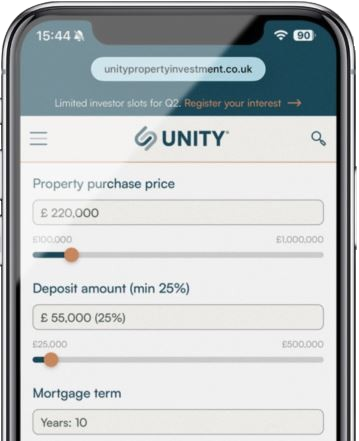
Buy to let investment and rental yield calculator
.png)
Buy-to-Let Buildings Insurance vs Landlord Contents Insurance
Feature
Buy-to-Let Buildings Insurance
Landlord Contents Insurance
Case study

- Property Price:£250k
- Mkt Value at purchase:£250k
- Day one equity:£0
- Yield:7.4%
- ROCE:31.6%
.avif)