
.jpg)










Buy-to-Let EPC Ratings Explained: Minimum EPC Requirements, Mortgages & Landlord Rules
Navigating the evolving landscape of energy efficiency regulations is now a critical part of UK property investment. With the exact EPC deadline for landlords rapidly approaching, understanding the required EPC rating for buy to let properties is essential for your portfolio's survival. While some investors previously hoped to see the EPC deadline extended indefinitely, the government has now confirmed strict 2030 targets. A property's energy performance now directly influences everything from legal compliance and tenant demand to your ability to secure competitive EPC ratings buy to let mortgages. Whether you are evaluating a target EPC rating buy to let acquisition or looking to improve your current buy to let mortgage EPC rating tier, this guide provides the clarity you need to keep your investments compliant and profitable.
Executive Summary
Energy Performance Certificates (EPCs) have become one of the most important compliance issues for UK landlords. Beyond simply meeting legal requirements, an EPC rating can influence mortgage availability, tenant demand, refurbishment costs, and even the long-term value of your investment property. This guide explains the current EPC rules, upcoming deadlines, and what landlords should consider when buying, refinancing, or managing a buy-to-let property.
What Is an EPC Rating?
An Energy Performance Certificate (EPC) is an assessment that scores a property’s energy efficiency on a scale from A (highly efficient) to G (highly inefficient). An EPC is legally required whenever a property is built, sold, or rented out, and the certificate is valid for 10 years.
Currently, the assessment looks primarily at the estimated costs to heat and light the home. However, the government has confirmed that the way EPCs are calculated will change in late 2027. The new system, known as the Home Energy Model (HEM), will move away from simply estimating utility bills and will place a much heavier emphasis on the physical "fabric" of the building, meaning the quality of the insulation and windows. While the background methodology is changing, the fundamental takeaway for landlords remains the same: properly insulating a property is now the foundational step for compliance.

What Is the Minimum EPC Rating for Buy-to-Let?
The Minimum Energy Efficiency Standards (MEES) dictate whether a property is legally allowed to be rented out.
Currently, the minimum EPC rating for buy-to-let properties in England and Wales is an E. This rule applies to all private rented properties, covering both new and existing tenancies. If a property is rated F or G, a landlord is legally required to make energy efficiency improvements to reach an E rating before they can market the property or sign a new tenancy agreement. Operating a non-compliant property without a registered exemption exposes landlords to enforcement action and fines of up to £5,000 from local authorities.
If you own property in Scotland, different rules apply. The Scottish Government is currently proposing that new tenancies must reach EPC Band C by 2028, and all remaining tenancies must comply by 2033. The validity period for new EPCs in Scotland is also expected to drop from ten years down to five years.
EPC Deadlines for Landlords
The government’s Warm Homes Plan has provided much-needed clarity for landlords regarding future energy efficiency targets.
All privately rented homes in England and Wales must reach an EPC C rating by 1 October 2030. This replaces previous proposals that suggested a staggered rollout. To prevent landlords from facing unlimited liabilities, the government has set a maximum investment cap of £10,000 per property to achieve this new standard.
Crucially, the government has also introduced a "grandfathering" transition rule. If your property successfully achieves an EPC C rating before 1 October 2029, that specific certificate will remain valid and fully compliant until it naturally expires 10 years later. This is a deliberate incentive for landlords to upgrade their properties early and secure a decade of compliance under the current, familiar assessment rules.
How EPC Ratings Affect Buy-to-Let Mortgages
EPC ratings are no longer just an administrative tick-box; they are closely monitored by mortgage lenders and regulatory bodies like UK Finance.
Lenders assess risk. A poorly insulated home means higher utility bills for the tenant, which historically increases the risk of rent arrears. Furthermore, lenders know that an EPC E or D property will require mandatory capital expenditure before 2030. Because properties that fail to meet minimum standards cannot be legally let, they cannot generate the rental income needed to cover the mortgage.
As a result, some lenders increasingly consider EPC performance when pricing their products. Many institutions now offer "green mortgages," which provide preferential interest rates, higher loan-to-value allowances, or reduced arrangement fees for properties rated A, B, or C. For landlords looking to scale, securing these discounted rates across a portfolio can significantly improve long-term cash flow. For more detailed insights on how lender pricing works, explore our guides on commercial mortgages and professional landlord mortgages.

Can You Get a Mortgage on a Low EPC Property?
It is a common misconception that you cannot finance a property with a poor EPC rating. While standard high-street lenders will typically reject a mortgage application for an unlettable F or G-rated property, professional investors regularly acquire these properties using specialist finance.
The standard approach is to purchase the distressed property using short-term bridging finance or a dedicated refurbishment mortgage. The investor then completes a planned schedule of works, such as installing central heating and insulation and commissions a new EPC. Once the property is successfully brought up to a C rating, the investor refinances the asset onto a standard, lower-rate buy-to-let mortgage. Alternatively, buyers can use a low EPC rating as leverage during the negotiation phase to secure a lower purchase price, offsetting the cost of the upcoming upgrades.
Which Improvements Increase EPC Ratings?
Improving an EPC rating requires a strategic approach. Landlords should prioritize "fabric first" upgrades that reduce heat loss before spending money on expensive heating systems.
- Loft Insulation: Loft insulation is often one of the cheapest ways to move a property from an EPC D to C and can significantly improve compliance ahead of future regulations. Topping up existing insulation to the recommended depth of 270mm provides an excellent return on investment.
- Cavity Wall Insulation: For properties built from the 1920s onwards, injecting cavity wall insulation is a highly effective way to improve the underlying thermal assumptions of the EPC assessment.
- High-Performance Glazing: Upgrading from single to A-rated double glazing eliminates drafts and improves tenant appeal. According to the Energy Saving Trust, modern windows are an essential component of a highly rated home, though costs vary depending on property size and specification.
- Heating Systems and Controls: Upgrading an obsolete boiler or installing modern thermostatic radiator valves (TRVs) provides a reliable scoring boost. For landlords looking at long-term decarbonisation, installing an Air Source Heat Pump (ASHP) is heavily subsidised by the government's boiler upgrade scheme, which currently offers a £7,500 non-repayable grant.
- LED Lighting: Systematically replacing all traditional bulbs with LED lighting is a rapid, low-cost method to secure marginal EPC points.

Treating EPCs simply as a bureaucratic hurdle often leads to wasted money; instead, energy efficiency should be deeply integrated into the lifecycle of your property.
Common EPC Mistakes Investors Make
The intersection of property finance and compliance creates an environment where it is easy to misallocate capital.
- Buying Without Checking the EPC Liability: Purchasing a property based solely on the headline rental yield, without running a rigorous property due diligence checklist to budget for the fact that the property requires immediate insulation works to legally let it.
- Focusing on Aesthetics Over Thermal Performance: Spending the entire refurbishment budget on a high-end kitchen and designer flooring, while completely ignoring the lack of loft insulation. If the property fails its EPC, the aesthetic upgrades are irrelevant because the asset cannot be rented.
- Missing the Grandfathering Window: Delaying upgrades until 2030. Savvy investors are accelerating their upgrade schedules to secure an EPC C before October 2029, locking in compliance for a full decade under the current rules.
- Waiting Until the Refinance Event: Leaving energy upgrades until the weeks right before a remortgage. If a lender's surveyor down-values a property or halts a mortgage application due to a failing EPC, you could be forced onto a highly expensive Standard Variable Rate while you rush to complete the works.
- Assuming Every Improvement Raises the Score Equally: Believing that adding expensive solar panels to an uninsulated property is the best strategy. Assessors prioritize basic insulation first; jumping straight to high-tech solutions without fixing the building's fabric is an inefficient use of capital.
Should You Buy a Property With a Poor EPC?
One of the most common questions investors ask is whether they should actively avoid properties with D, E, F, or G ratings. In reality, a poor EPC rating can present an excellent investment opportunity, provided it is approached correctly.
The Pros:
- Lower Purchase Price: Amateur landlords are often intimidated by impending EPC regulations and are selling off older stock. This reduces competition and allows professional investors to acquire properties below intrinsic market value.
- Value-Add Opportunity: Upgrading a property’s energy efficiency usually goes hand-in-hand with a broader cosmetic refurbishment. This allows you to actively force capital appreciation rather than waiting for passive market growth.
- Refinance Potential: By buying a low-rated property cheaply, upgrading it to an EPC C, and letting it at a premium rent, investors can refinance the property at its new, higher valuation, pulling their initial capital back out to fund the next purchase.
The Cons:
- Refurbishment Costs: You must accurately model the costs of the energy upgrades before purchasing. If a property requires solid wall insulation to reach a C rating, the capital required might destroy the deal's profitability.
- Mortgage Availability: As mentioned, properties rated F or G will usually require specialist, short-term finance for the acquisition, which carries higher interest rates and fees than standard mortgages.
EPC Ratings and Asset Management
At Unity, EPC compliance forms part of our wider property asset management strategy. When assessing investment properties, we consider not only current compliance but also future refurbishment requirements, tenant appeal, and refinancing potential. Treating EPCs simply as a bureaucratic hurdle often leads to wasted money; instead, energy efficiency should be deeply integrated into the lifecycle of your property.
- Avoiding Duplicated Works: The most cost-effective time to improve an EPC is during a void period or a planned refurbishment. As we outline in our guide on how we refurbish investment properties, mapping out an EPC strategy before works begin helps you avoid costly mistakes such as beautifully re-plastering and painting a room, only to realise six months later that you need to tear the walls back to the brickwork to install internal insulation.
- Maximizing Tenant Appeal: In an era of high energy costs, prospective tenants actively check EPC ratings to forecast their monthly utility bills. A highly efficient property guarantees a warmer, cheaper living environment, which reduces void periods and attracts long-term, reliable tenants.
- Planning Upgrades Before Refinancing: We actively monitor our investors' portfolios to ensure properties are "refinance ready." By timing EPC upgrades to conclude well before a fixed-rate mortgage expires, we ensure the property qualifies for the widest possible range of lender products, including discounted green mortgages.
- Risk Mitigation & Operating Costs: A highly efficient home protects your cash flow, but physical upgrades should be paired with financial safeguards. We strongly advise landlords to protect their income with rent guarantee insurance and a comprehensive buy-to-let insurance policy that covers the increased rebuild value of new technologies like heat pumps or solar arrays. Similarly, outsourcing compliance to professionals is often a sensible step; understanding the true cost of being a landlord ensures your portfolio remains a passive investment rather than a full-time job.
- Protecting Exit Value: When the time comes to sell, properties burdened with outstanding EPC liabilities are subjected to severe price chipping from buyers. A stabilised, fully compliant EPC C asset represents a highly desirable, premium investment that protects your final exit value.

EPC Exemptions
The regulations acknowledge that some properties simply cannot meet the required standards. Landlords must actively register for these exemptions on the official PRS Exemptions Register; they are never applied automatically.
- The Cost Cap Exemption: If a landlord spends up to the £10,000 maximum threshold on recommended energy efficiency measures and the property still does not reach an EPC C, they can register for an exemption. The government intends for this specific exemption to last for 10 years.
- Listed Buildings and Conservation Areas: Historical assets are heavily protected. If installing required improvements (like external solid wall insulation or uPVC windows) would unacceptably alter the building's historical character, the landlord is exempt from executing those specific measures.
- The Devaluation Exemption: If an independent surveyor from the Royal Institution of Chartered Surveyors formally confirms that implementing a specific required energy measure would devalue the property by more than 5%, the landlord may secure an exemption.

Portfolio projection tool

Conclusion
EPC ratings are no longer just a compliance exercise. They influence financing, operating costs, tenant demand, and the long-term resilience of a buy-to-let investment. By planning improvements early and treating energy efficiency as part of a wider asset management strategy, landlords can protect both their rental income and the future capital value of their portfolios.
Frequently Asked Questions
What is the minimum EPC rating for buy-to-let?
Currently, the minimum EPC rating required to legally let a private residential property in England and Wales is an E. The UK government has confirmed that this standard will be elevated to an EPC C by 1 October 2030 for all tenancies. In Scotland, proposed legislation aims to mandate an EPC C rating for new tenancies by 2028, and for all existing tenancies by 2033.
Can landlords rent a property with an F EPC?
No. It is a legal offense to issue a new tenancy agreement or continue an existing tenancy for a property holding an F or G rating in England and Wales, unless a formal exemption has been registered. Landlords attempting to let an F-rated property face enforcement actions and fines of up to £5,000 from local authorities.
Can I get a mortgage on a low EPC property?
While securing a standard high-street buy-to-let mortgage on an F or G-rated property is highly unlikely, investors can use specialist financing. Short-term bridging finance or dedicated refurbishment mortgages allow investors to buy degraded assets, fund the upgrades, and then refinance onto standard landlord mortgages once the property achieves a compliant EPC rating.
What happens if my EPC expires?
An EPC is legally valid for 10 years. If an EPC naturally expires while a tenant is living in the property, the landlord is not legally obligated to get a new one immediately, provided the tenancy agreement remains unchanged. However, a new, valid EPC must be commissioned before the property can be marketed to new tenants or listed for sale.
How long does an EPC last?
In England and Wales, an EPC remains valid for a maximum of 10 years from the original date of issue. In Scotland, under proposed regulatory changes, the validity period for new EPCs is expected to be reduced to five years to ensure assessments accurately reflect current building conditions.
Are EPC deadlines changing?
Yes. Previous proposals suggested a staggered introduction of the EPC C standard starting in 2028 for new tenancies. The current government has abandoned that phased approach, establishing a single deadline of 1 October 2030 for all private rented properties in England and Wales.
What improvements increase EPC ratings?
Improvements should be prioritized via a "fabric first" approach. Installing loft insulation, cavity wall insulation, and double glazing are the most cost-effective methods for improving the score. Secondary improvements involve upgrading to modern heating systems, such as Air Source Heat Pumps, or installing smart technology like solar panels.
Do all lenders require a minimum EPC?
Yes. Mainstream mortgage lenders demand a valid EPC demonstrating compliance with current MEES regulations (currently an E rating in England and Wales) before approving a buy-to-let mortgage. Lenders will not secure long-term debt against an asset that cannot be legally let out to tenants.
Do listed buildings need an EPC?
Listed buildings and properties in conservation areas are not universally exempt from requiring an EPC assessment. However, they frequently qualify for specific exemptions from implementing the minimum energy standards if the required improvements (like external insulation) would unacceptably alter the building's historical character.
Are green mortgages worth considering?
Absolutely. Green mortgages offer tangible commercial advantages for properties holding an A, B, or C EPC rating. These products frequently provide discounted interest rates or reduced arrangement fees. Over the lifecycle of the loan, these marginal rate reductions improve your monthly cash flow and overall profitability.
-v1.avif)
Get investor insights and early access to opportunities
Join our investor briefings for structured insights, market updates, and priority access to new deals.

No spam, just timely insights for investors We respect your privacy and never sell your data
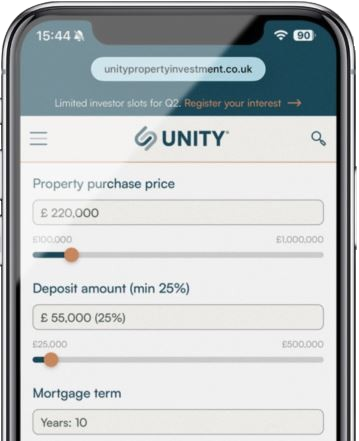
Buy to let investment and rental yield calculator
.png)
Pros and Cons of Buying Low EPC Properties
Strategic Consideration
Pros of Buying Low EPC Properties
Cons of Buying Low EPC Properties
A poor EPC rating can present an excellent investment opportunity, provided it is approached correctly.
Case study

- Property Price:£250k
- Mkt Value at purchase:£250k
- Day one equity:£0
- Yield:7.4%
- ROCE:31.6%
.avif)